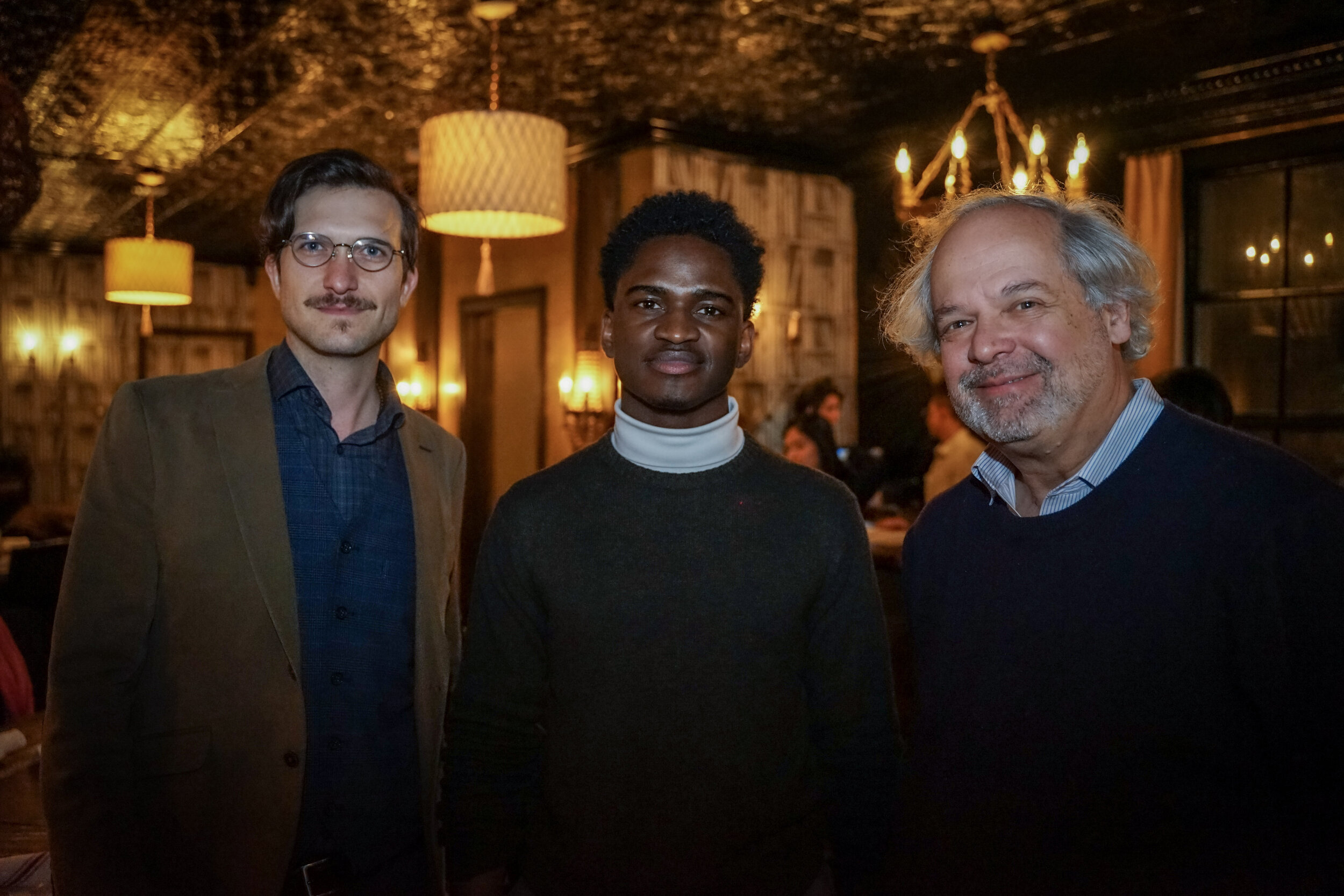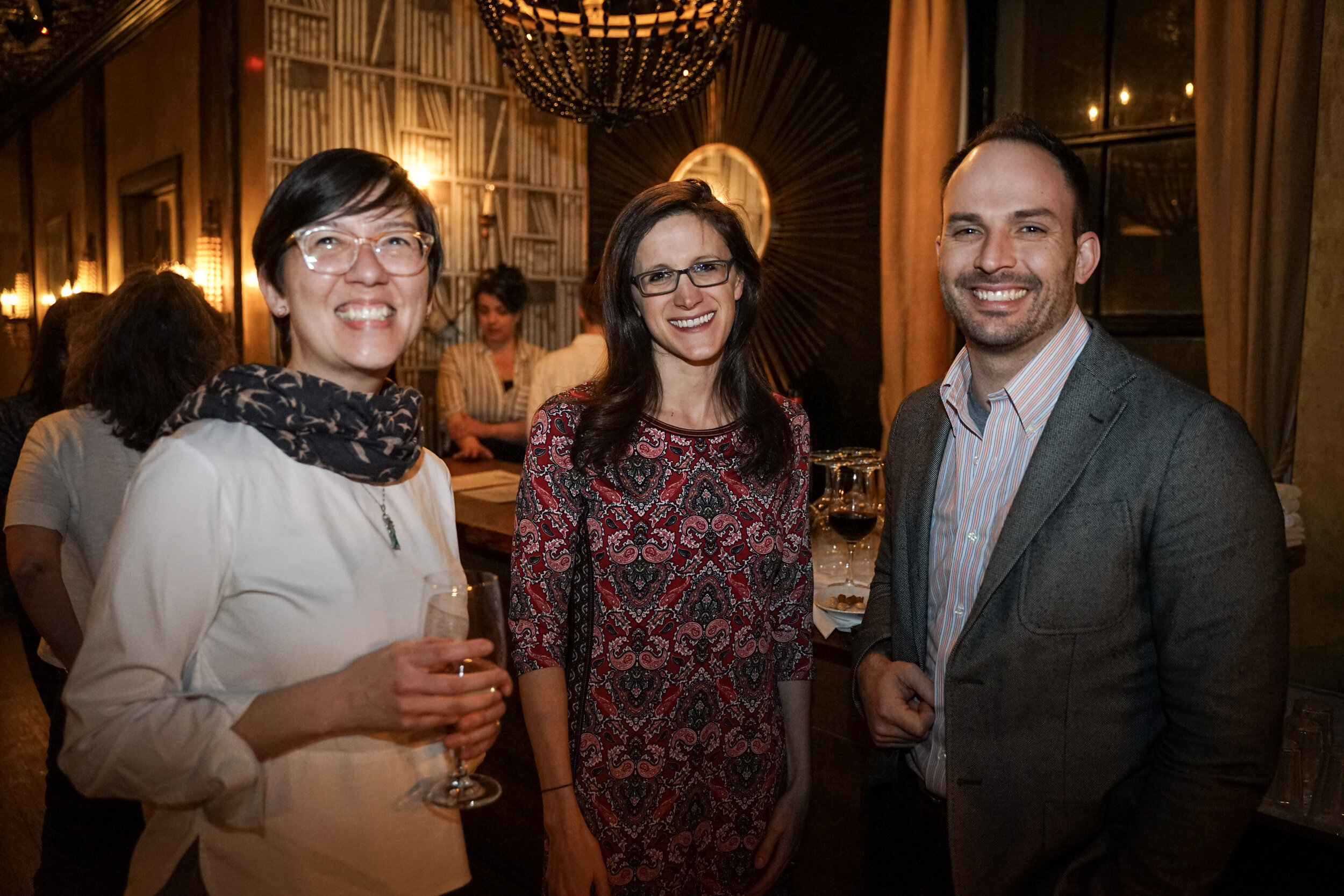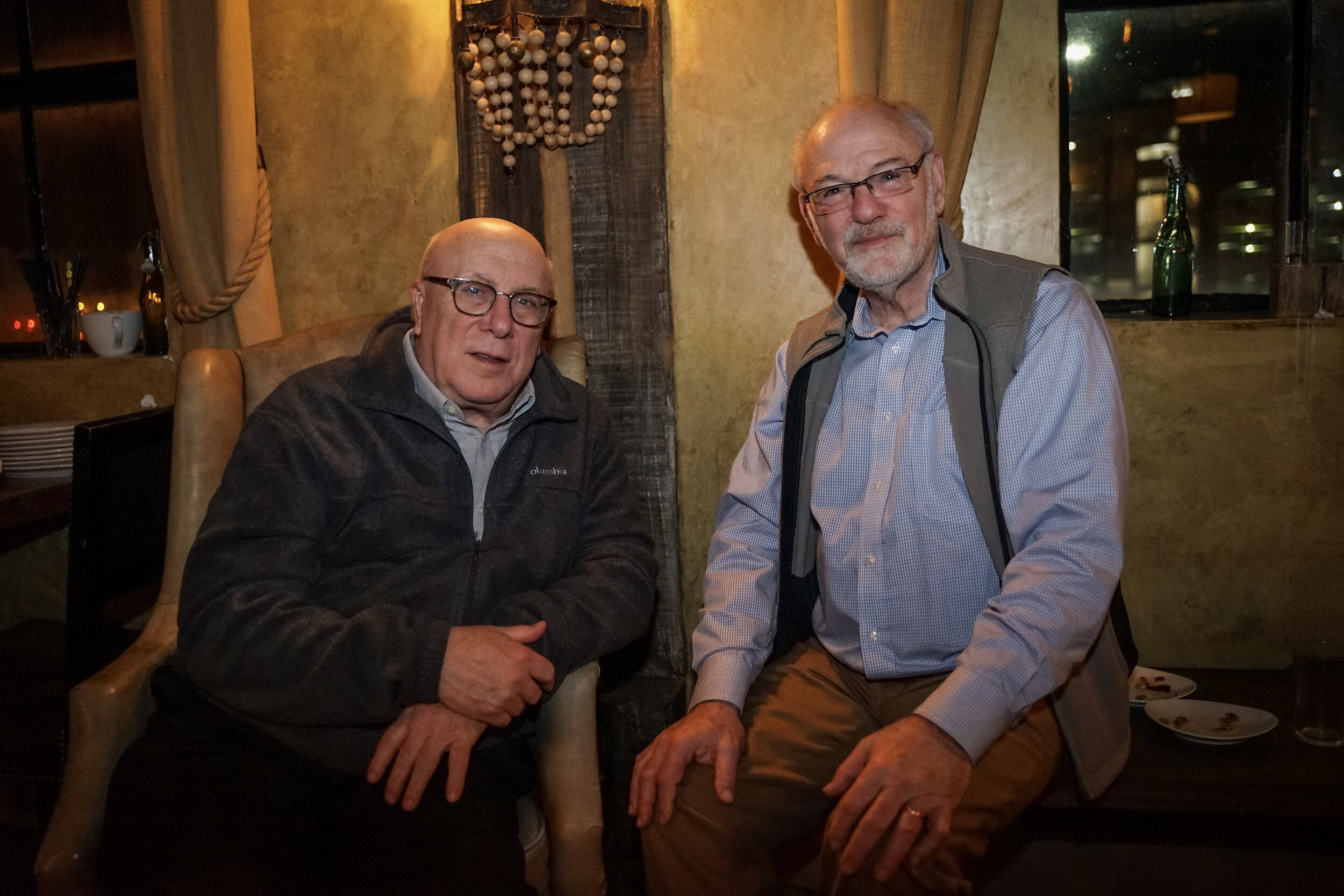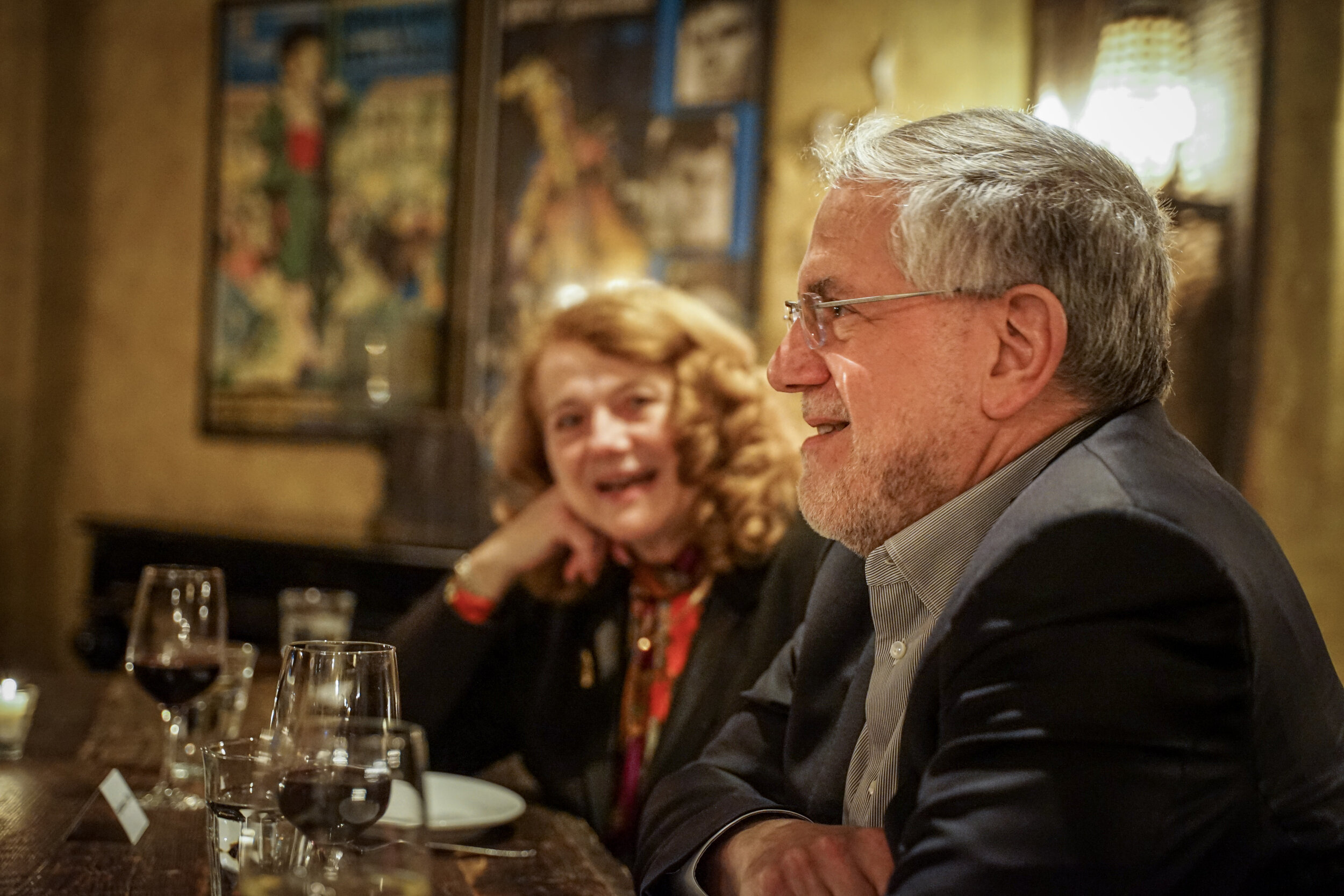
The next decade of brain science has the potential to reshape the human experience.
If we are passive, the coming brain revolution will either fall short of its potential or drift towards negative outcomes. With BrainMind’s vision to form a new vital connective tissue between the lab and society, our responsible innovation initiative considers how to encourage decision-making that maximizes the potential benefits and minimizes the unintended hazards that accompany rapid innovations in brain science.
BrainMind’s Neuroethics Advisors

Karen Rommelfanger
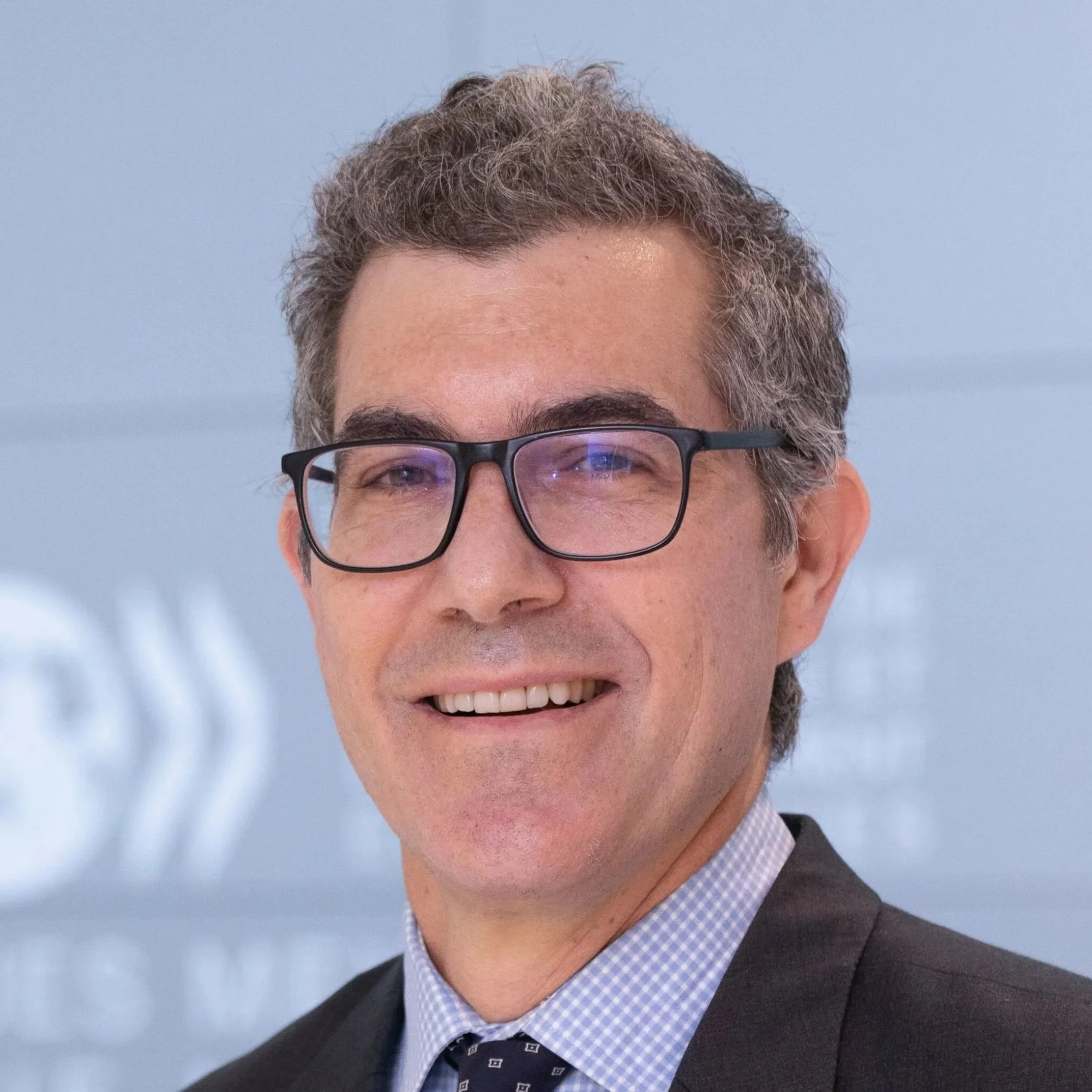
David Winickoff
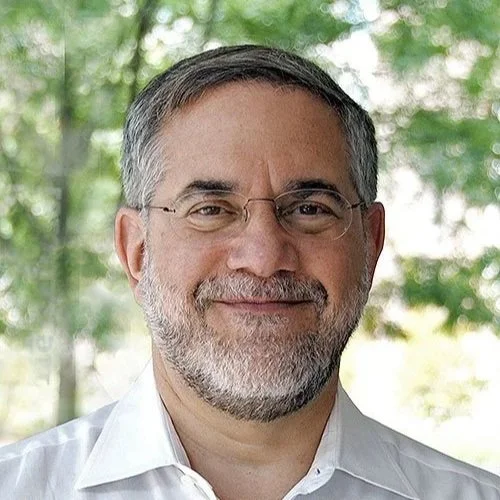
Steve Hyman

Nita Farahany
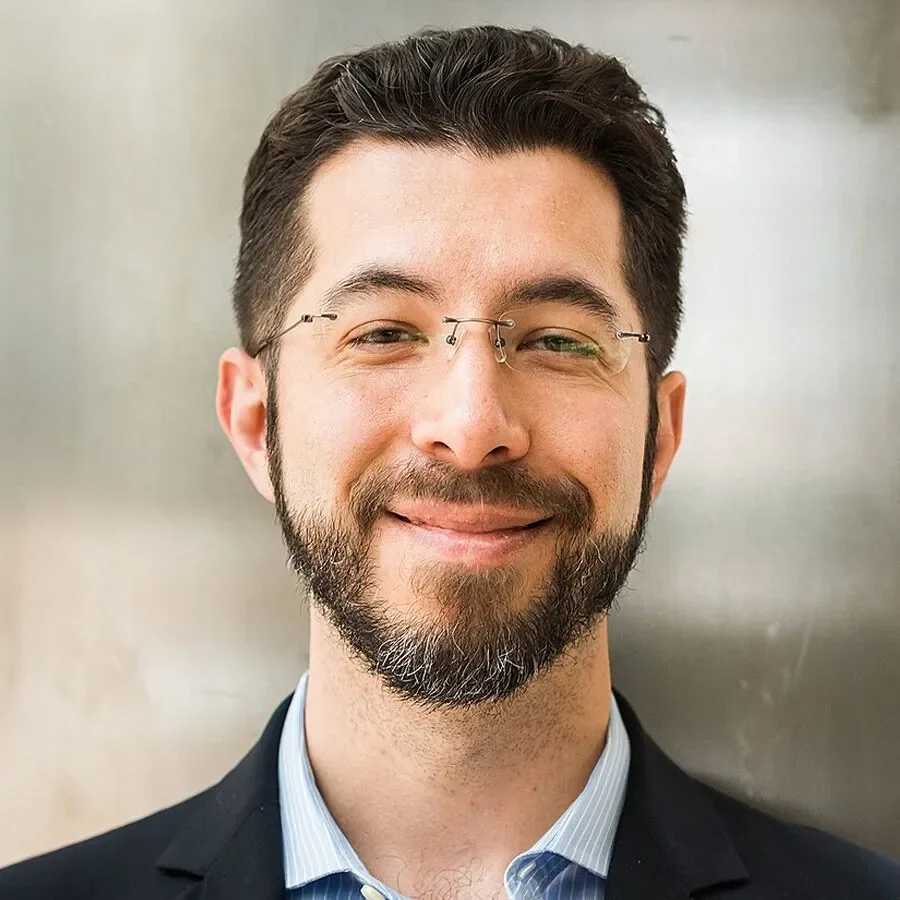
Ed Boyden

Martha Farah

Thomas Insel

Jennifer French
Crash Course in Neuroethics

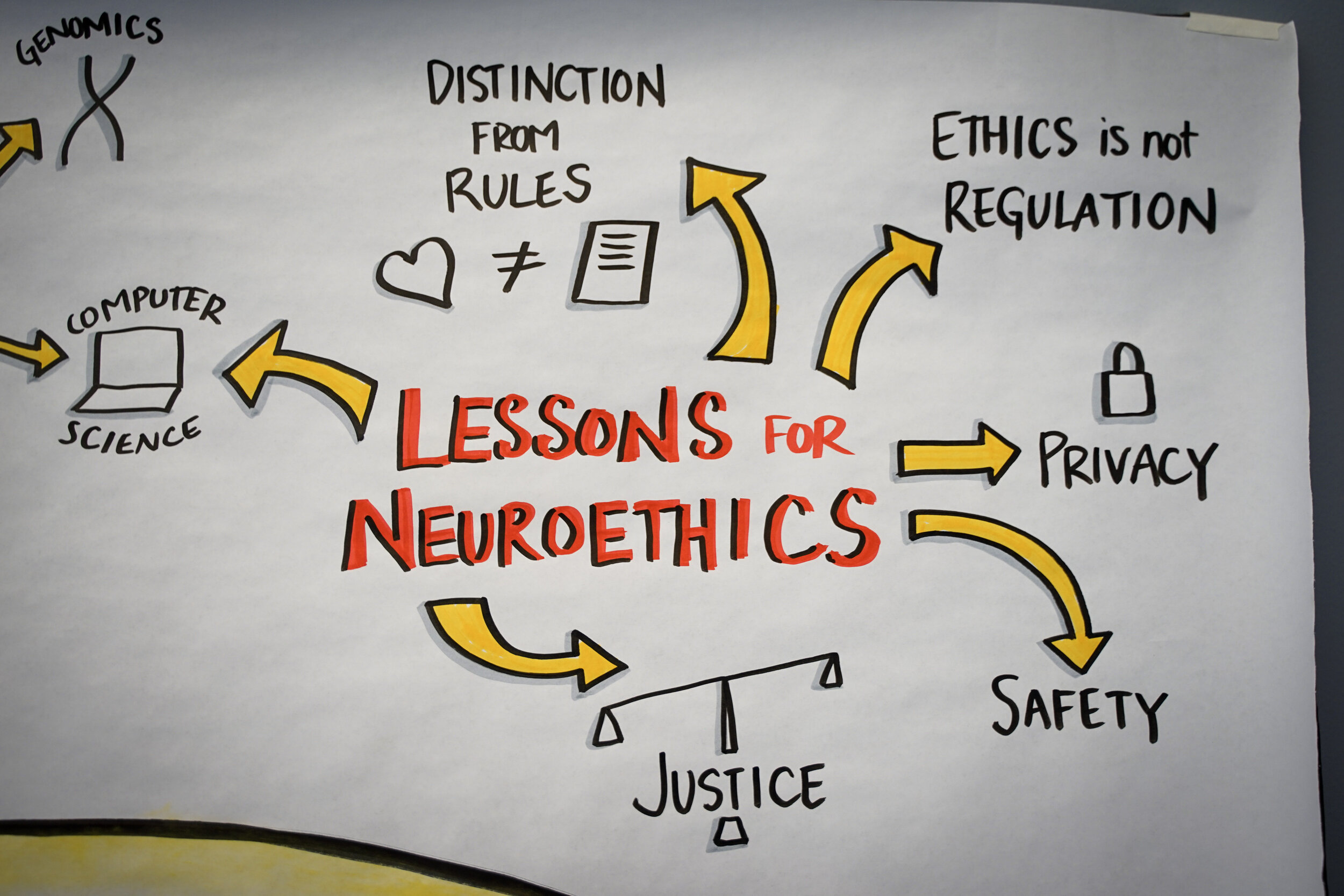
Neuroethics examines the ethical, legal, and social impacts of neuroscience advancements. As part of BrainMind’s Neuroethics Initiative, we've developed a free educational hub focused on the field's significance for the future of neuroscience.
Click on the picture to the left or the button above to start on your neuroethics education journey.
Ethical Tools for Entrepreneurs

Explore five essential tools designed to guide startups in ethical neuroinnovation. These resources provide practical strategies to address the unique ethical challenges in the rapidly evolving field of neuroscience.
Click on the picture to the left or the button above to learn more.
Asilomar for the Brain and Mind
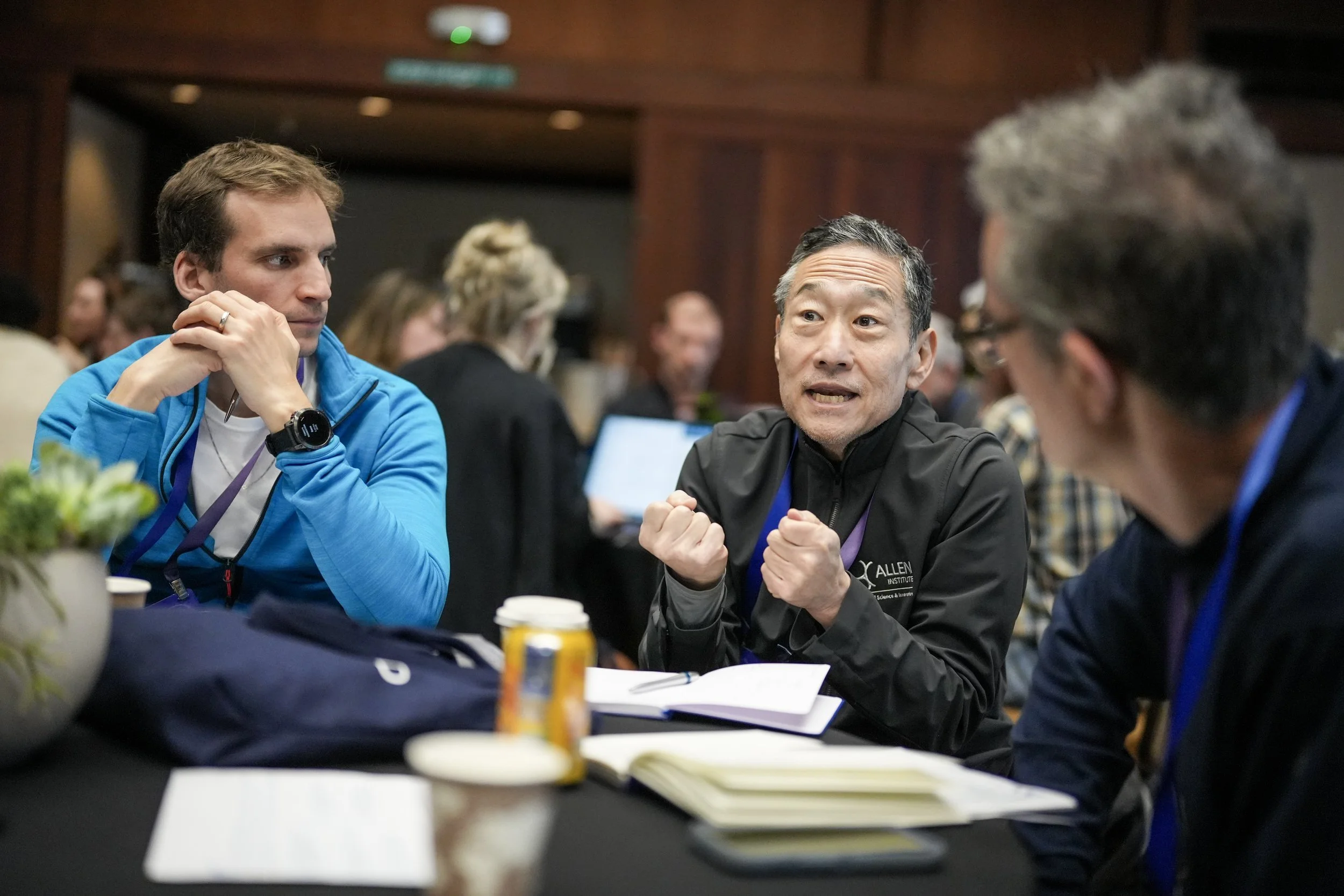
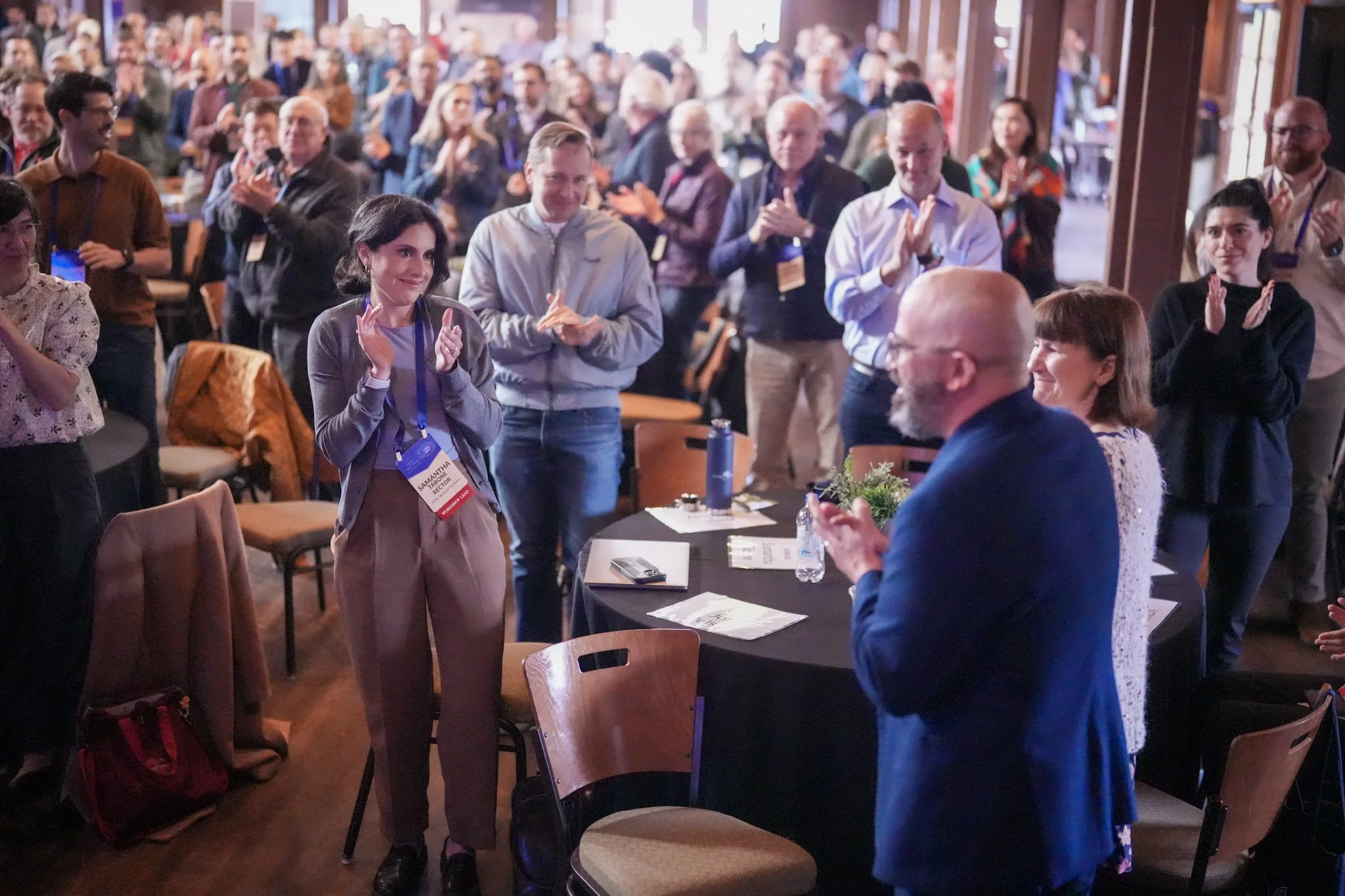
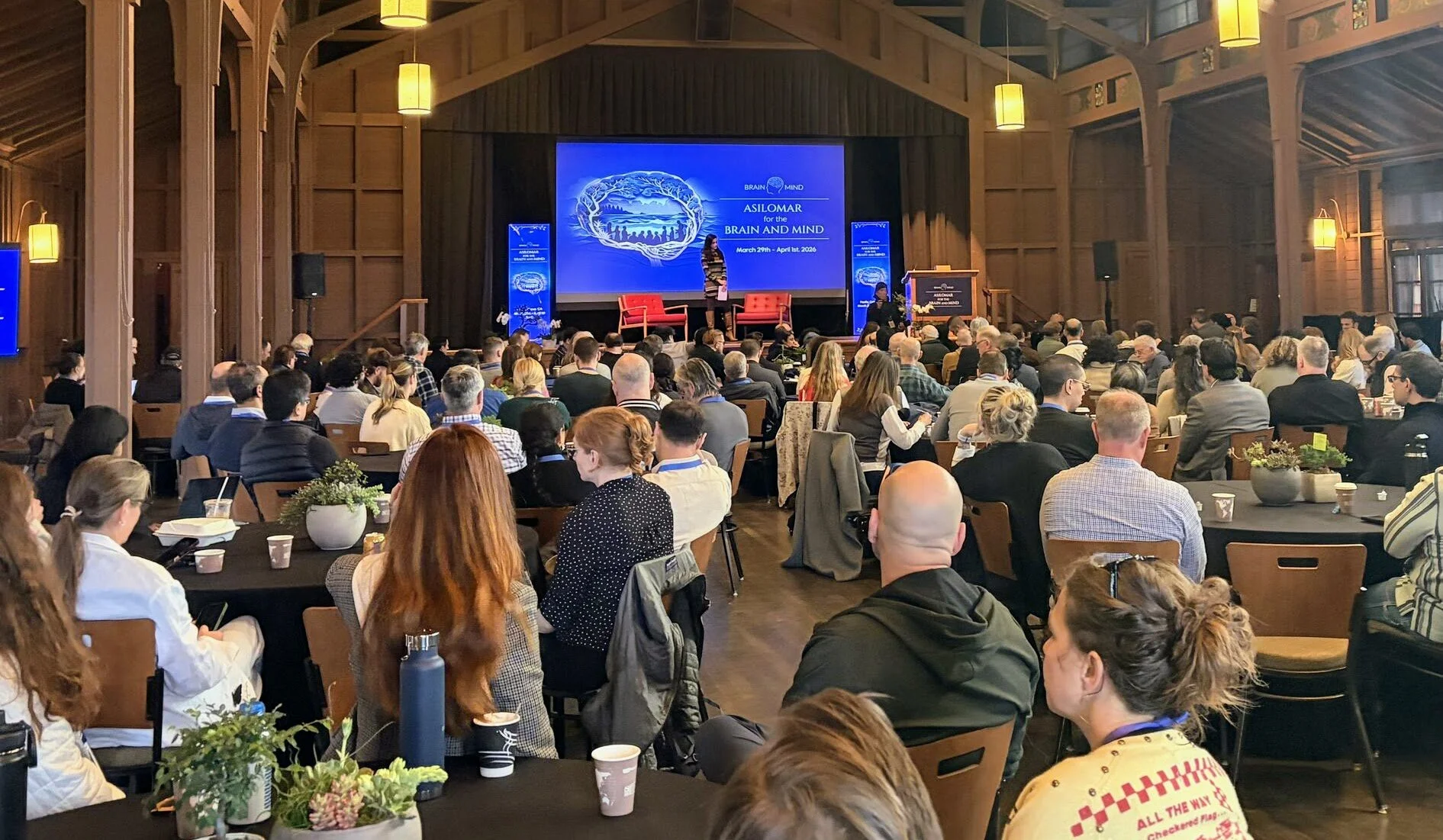
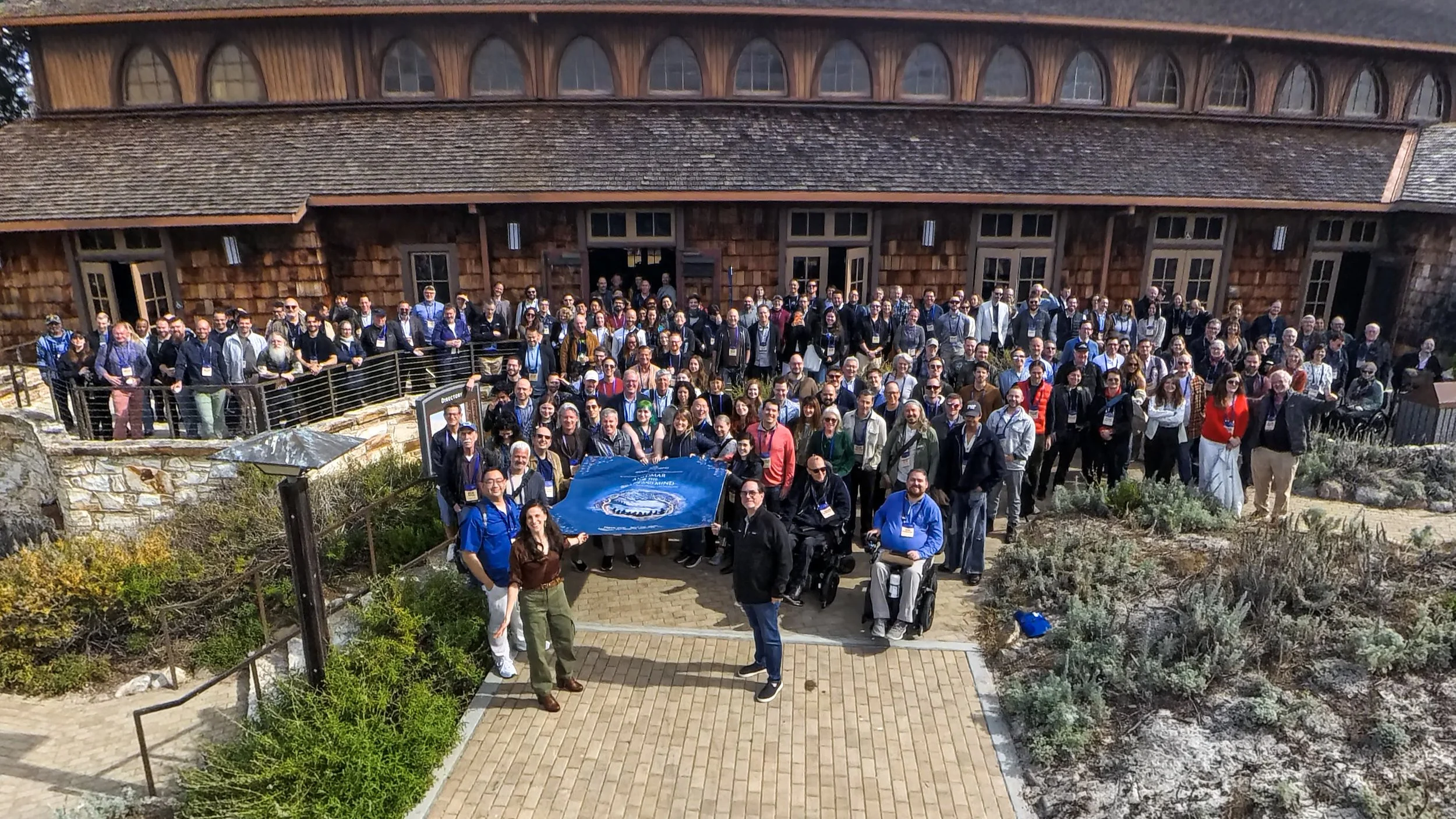
In 2026, BrainMind convened a sector-defining neuroscience summit: Asilomar for the Brain and Mind. This global, multi-sectoral gathering focused on the research, development, distribution, and use of near-term innovations in brain science. Regulation alone could not keep pace with the speed of technological innovation in neuroscience, making it essential to build neuroethics into the culture of the field itself. Influential leaders across brain science, neurotechnology, and adjacent sectors came together to adopt unified ethical principles and practical tools for responsible neuroinnovation, setting a new standard for how the neuroscience community approaches the challenges and opportunities ahead.
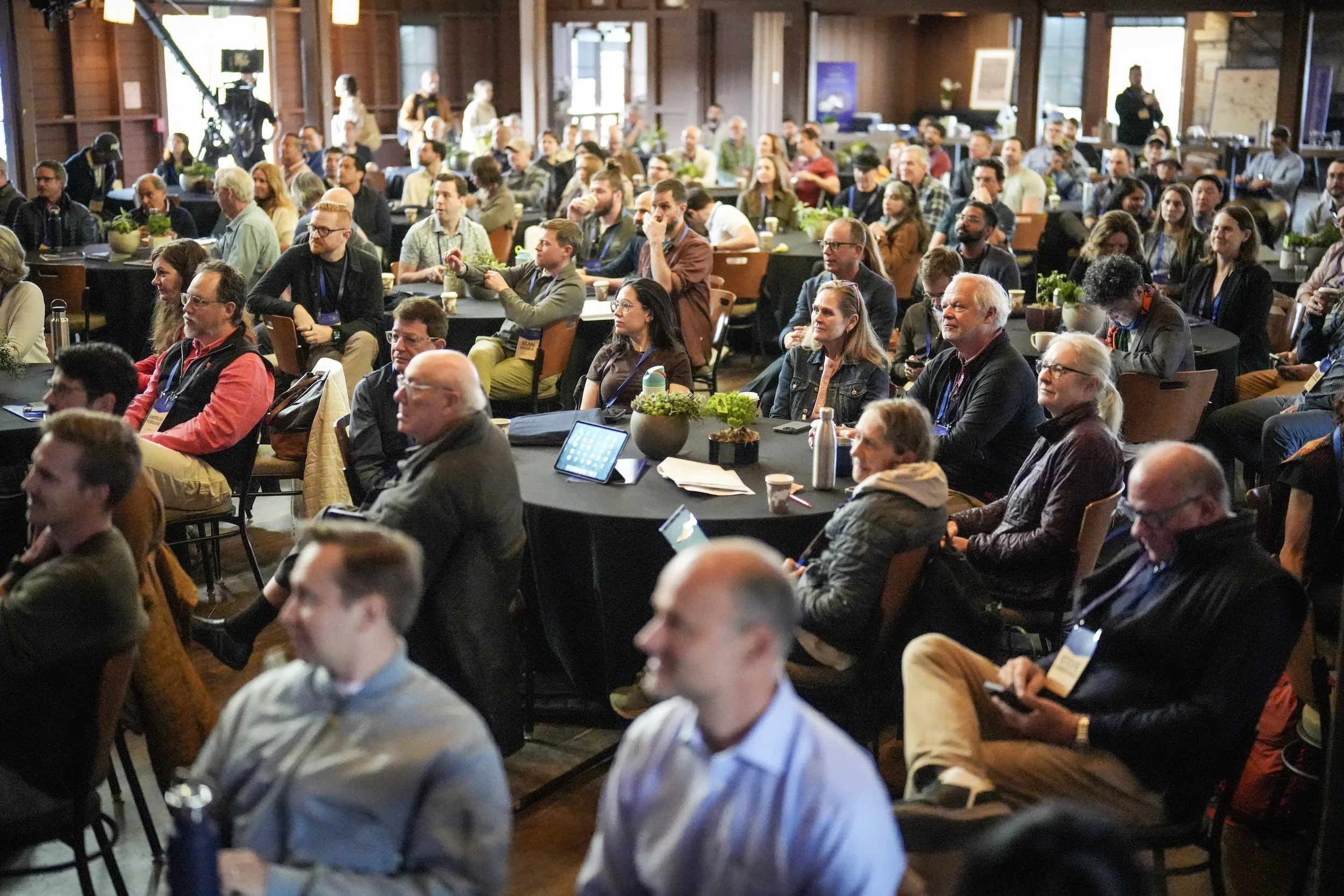


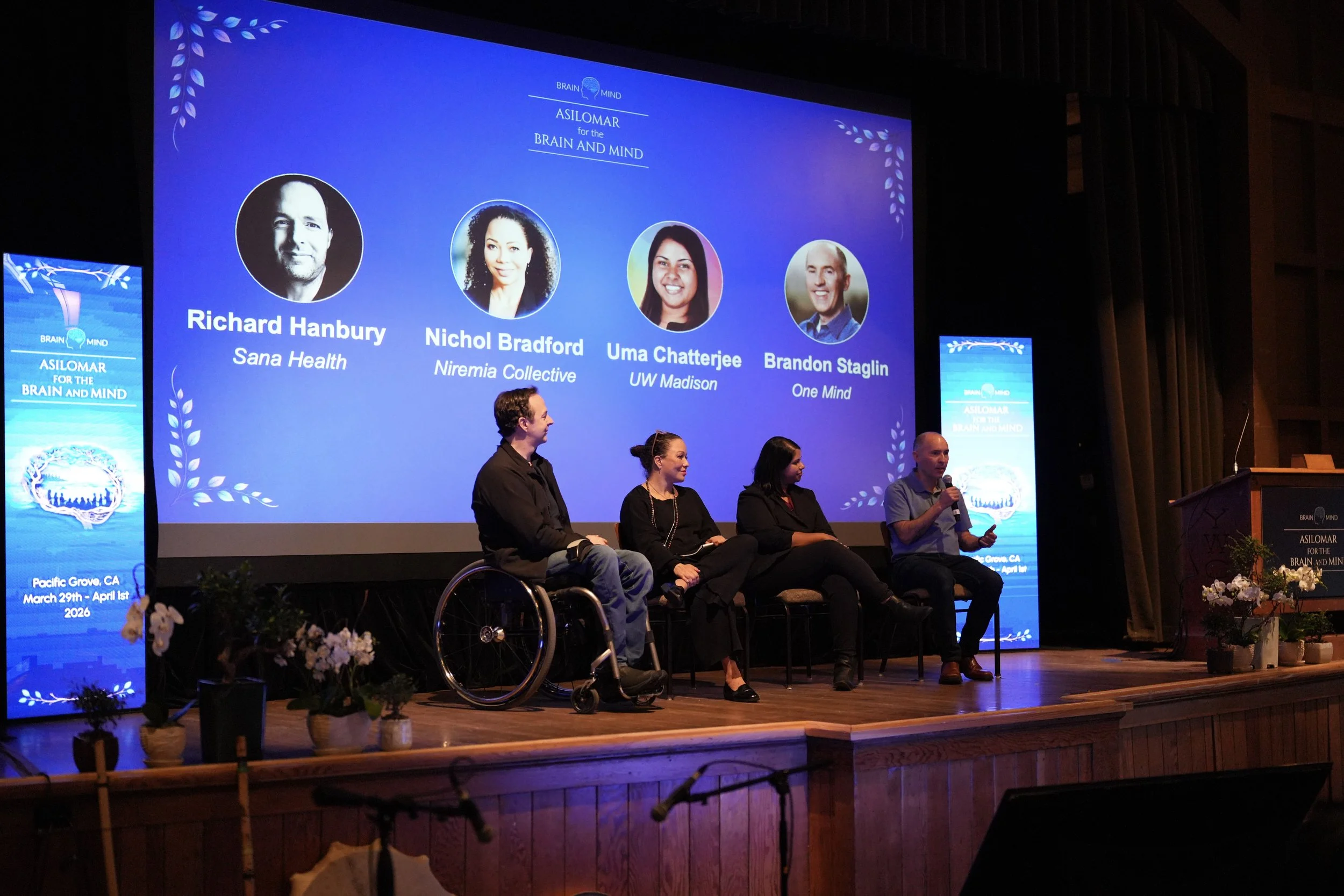
Movement Towards Asilomar: Neuroethics Gatherings
BENDING THE ARC OF NEUROINNOVATION (2026)
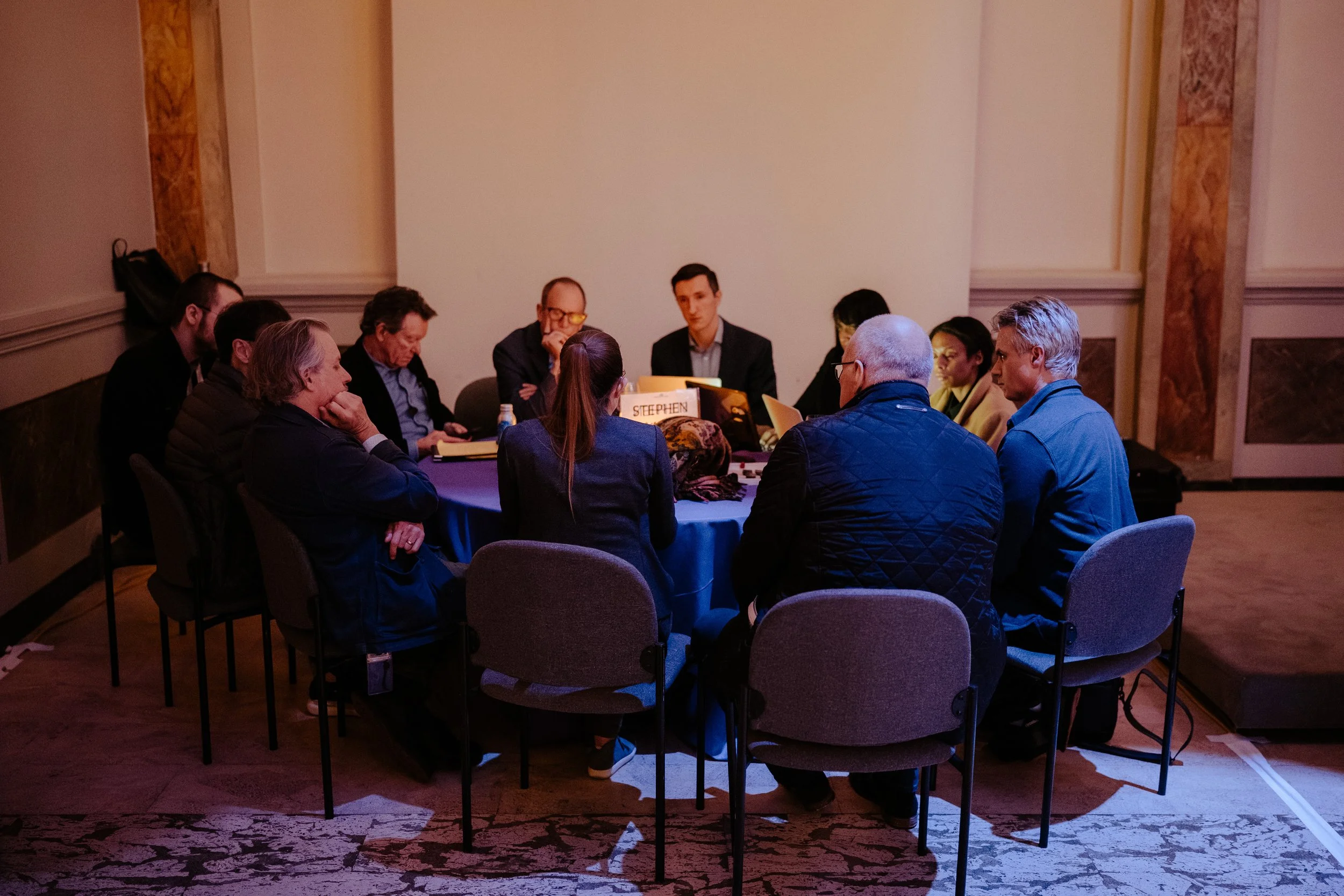
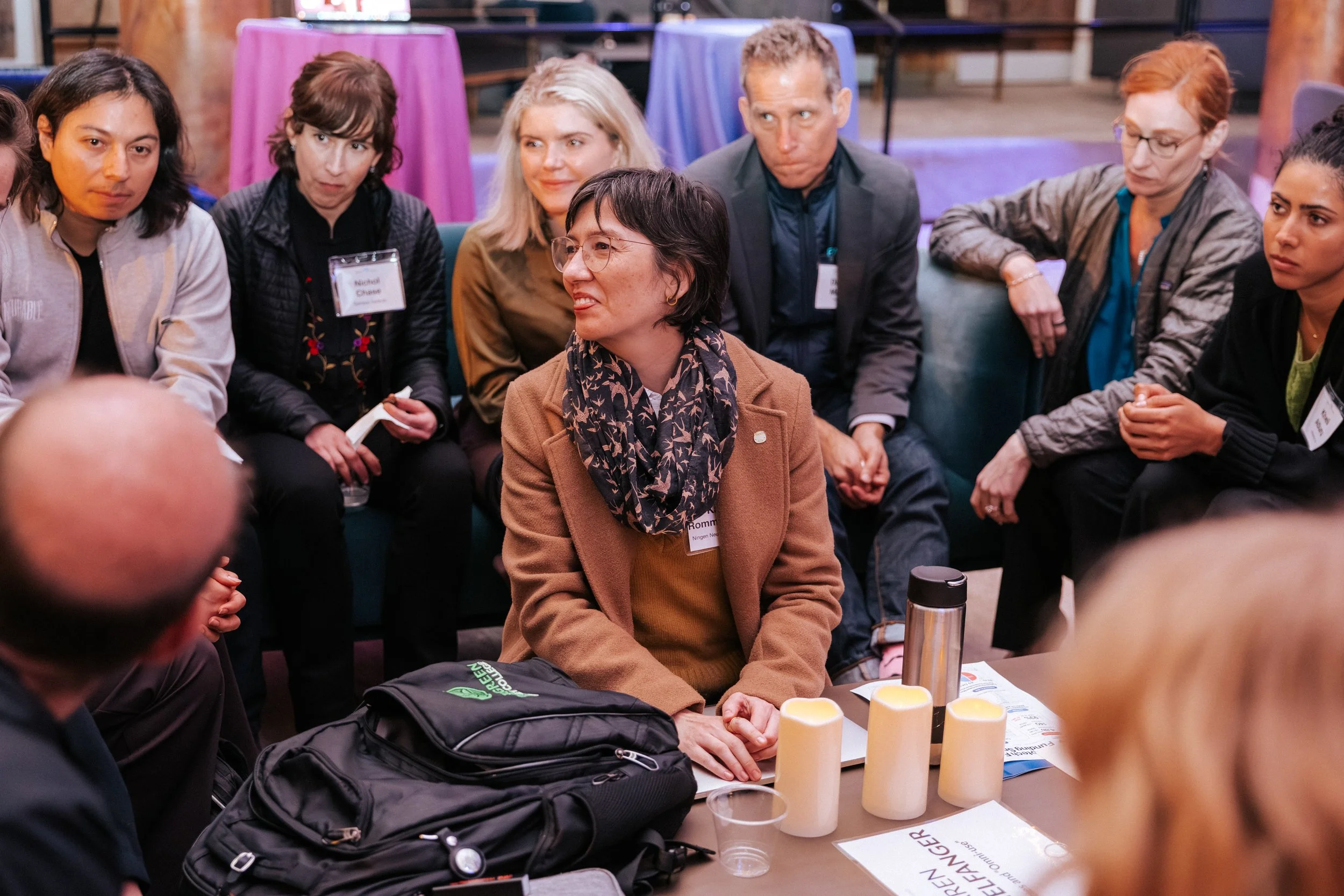
In January 2026, BrainMind hosted Bending the Arc of Neuroinnovation, a private neuroscience gathering during J.P. Morgan Week that brought together a curated community of entrepreneurs, scientists, and investors to help shape the future of neurotechnology for the benefit of humanity. This exclusive neuroscience event drew some of the most forward-thinking minds at the intersection of brain science, emerging technology, and responsible innovation.
The day featured hands-on neurotech demonstrations, startup lightning pitches, and thought-provoking breakout discussions led by Asilomar for the Brain and Mind workshop leads. Designed to spark collaboration, advance responsible innovation, and act as a pre-Asilomar feedback session for Asilomar working groups, the gathering explored how today's breakthroughs could bend the arc of neuroinnovation toward a more conscious and impactful future. Participants left with actionable insights and strengthened connections across the neuroscience and neurotechnology ecosystem, reinforcing BrainMind's role as a convener of the communities driving the next generation of mind science forward.
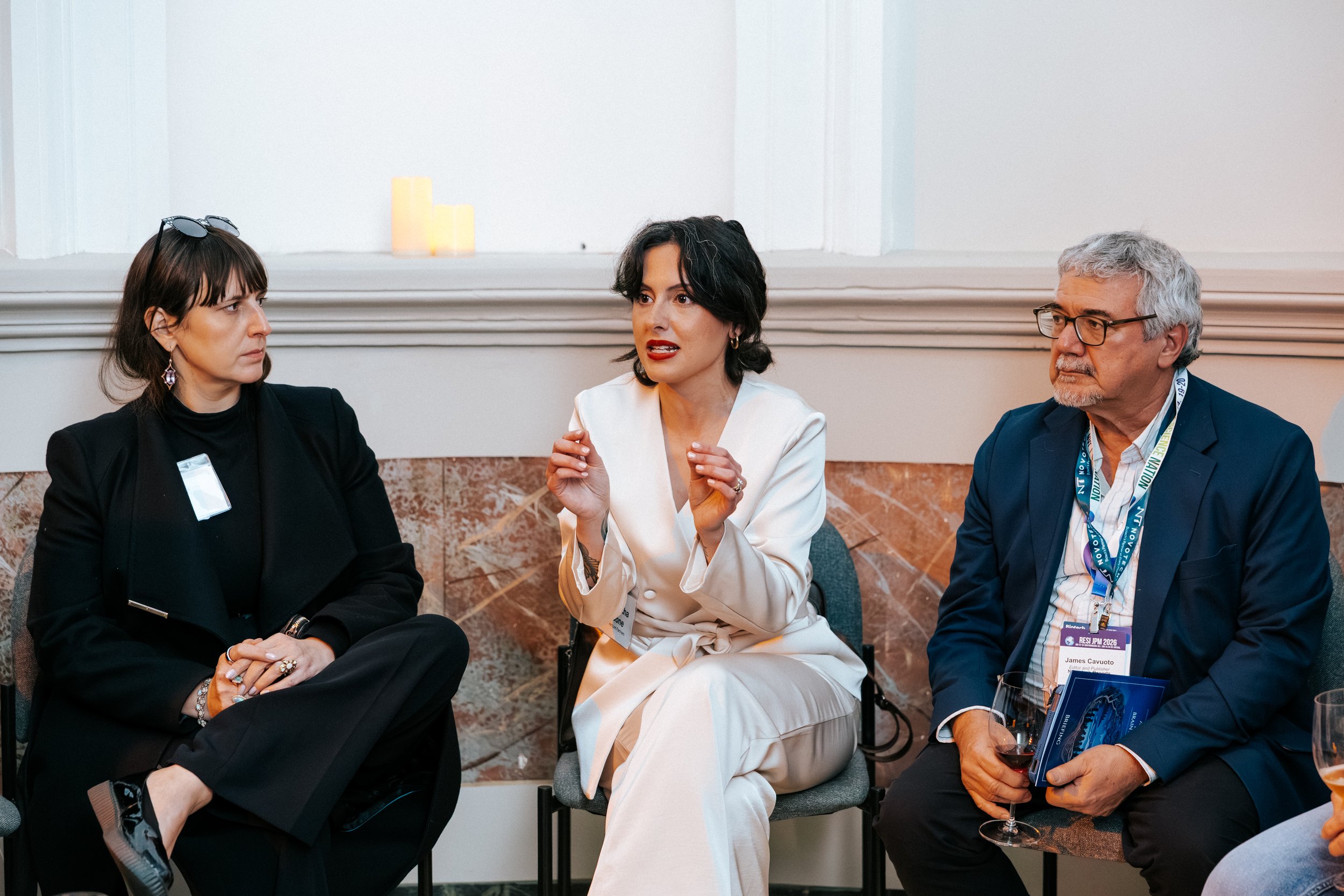
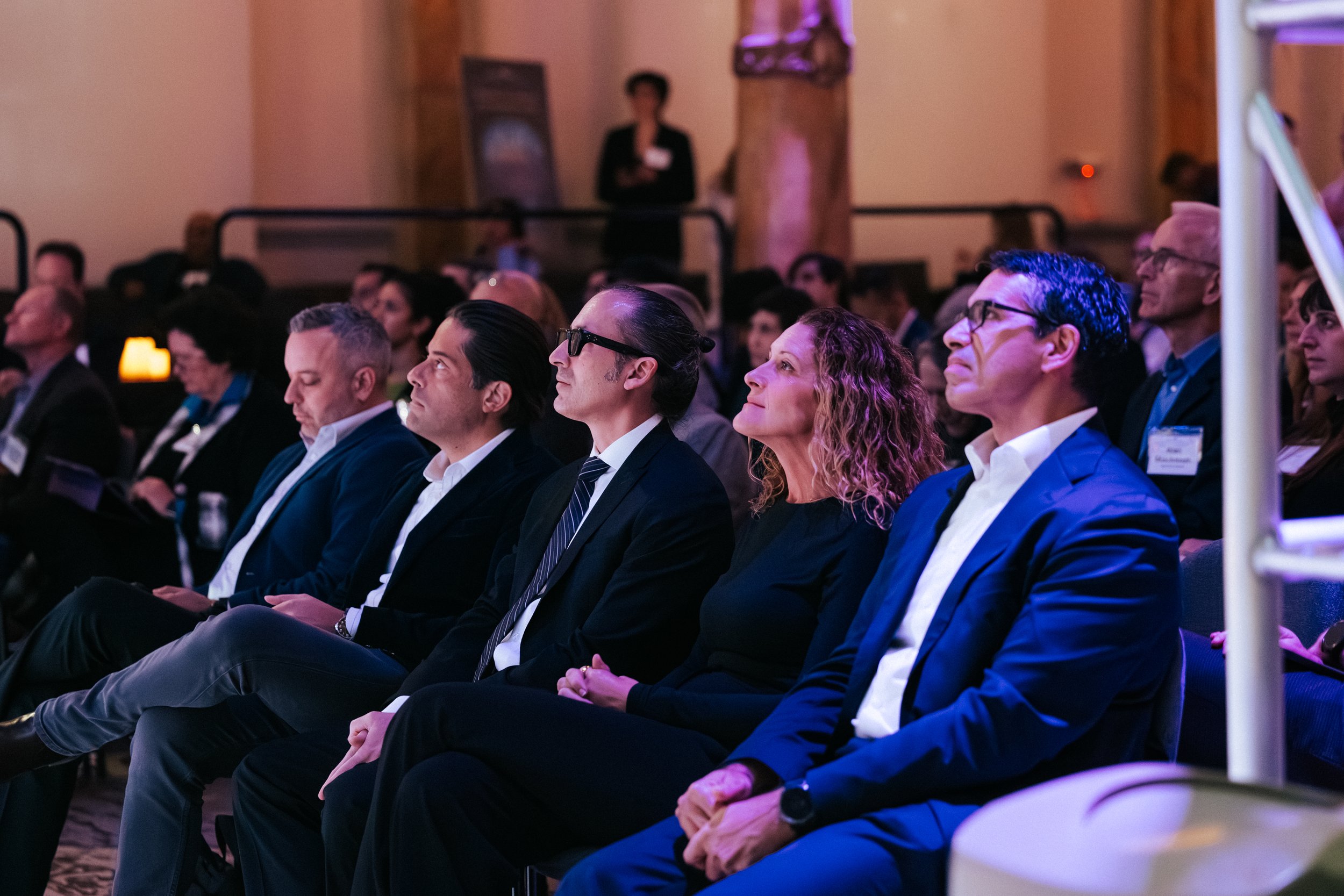

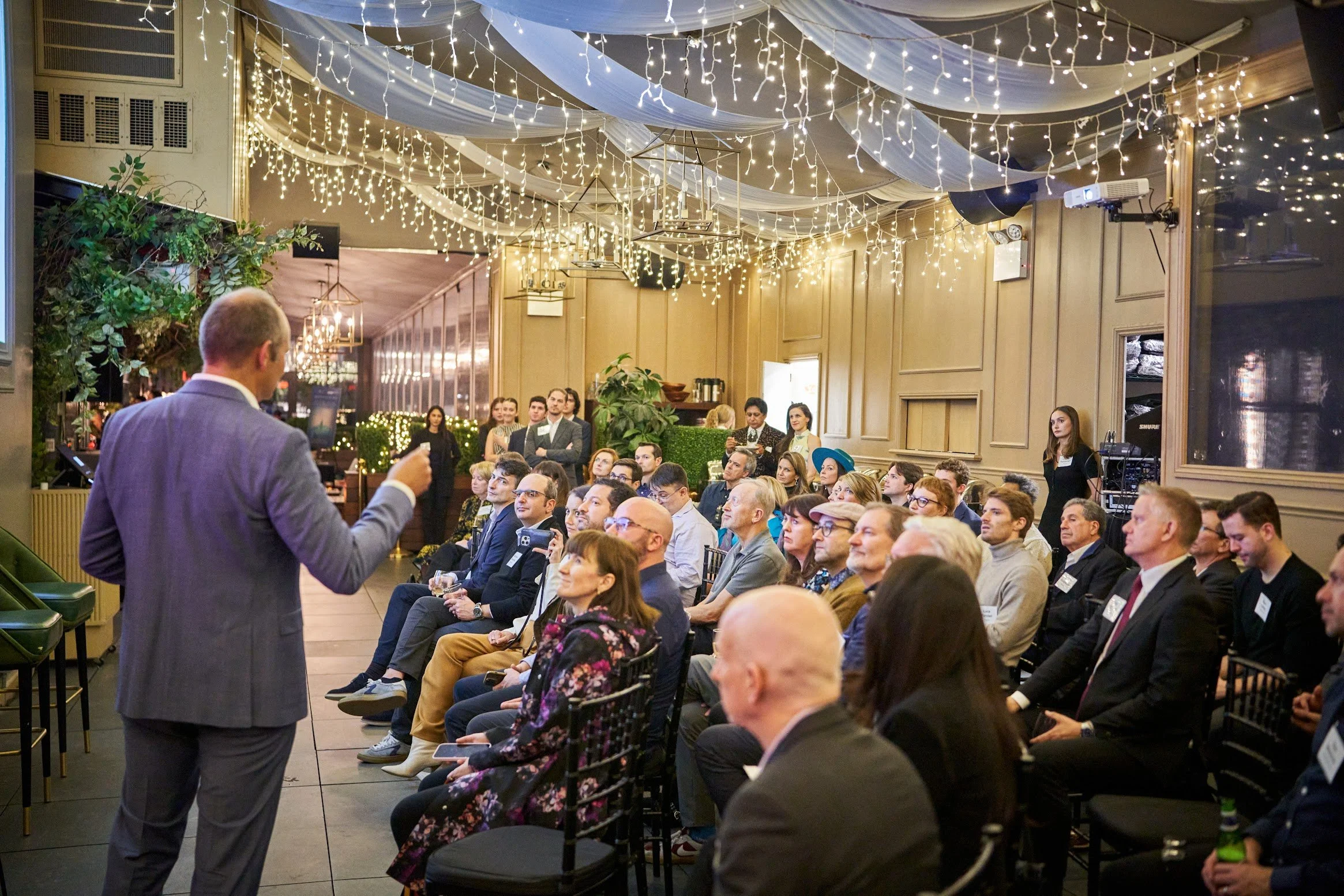
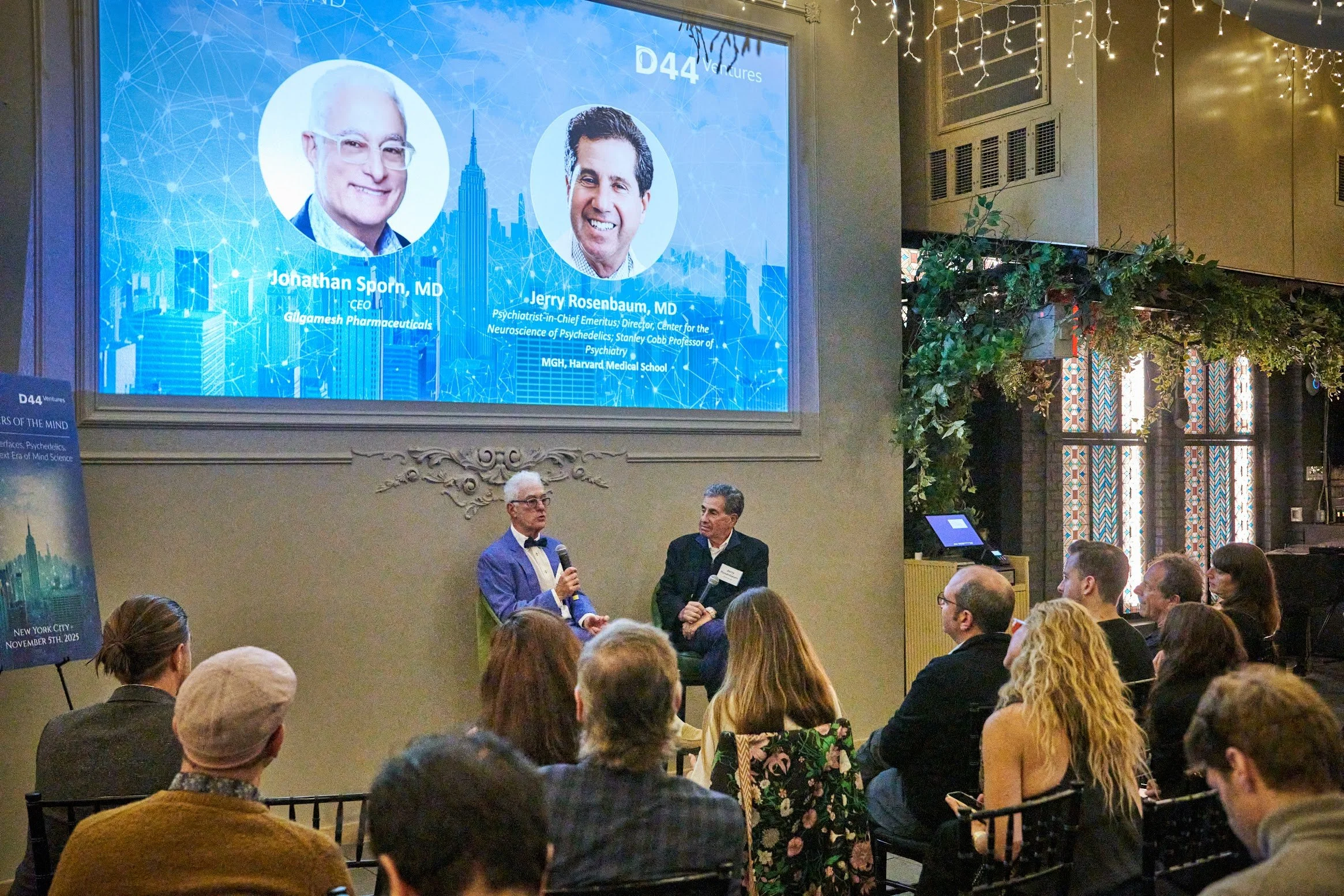
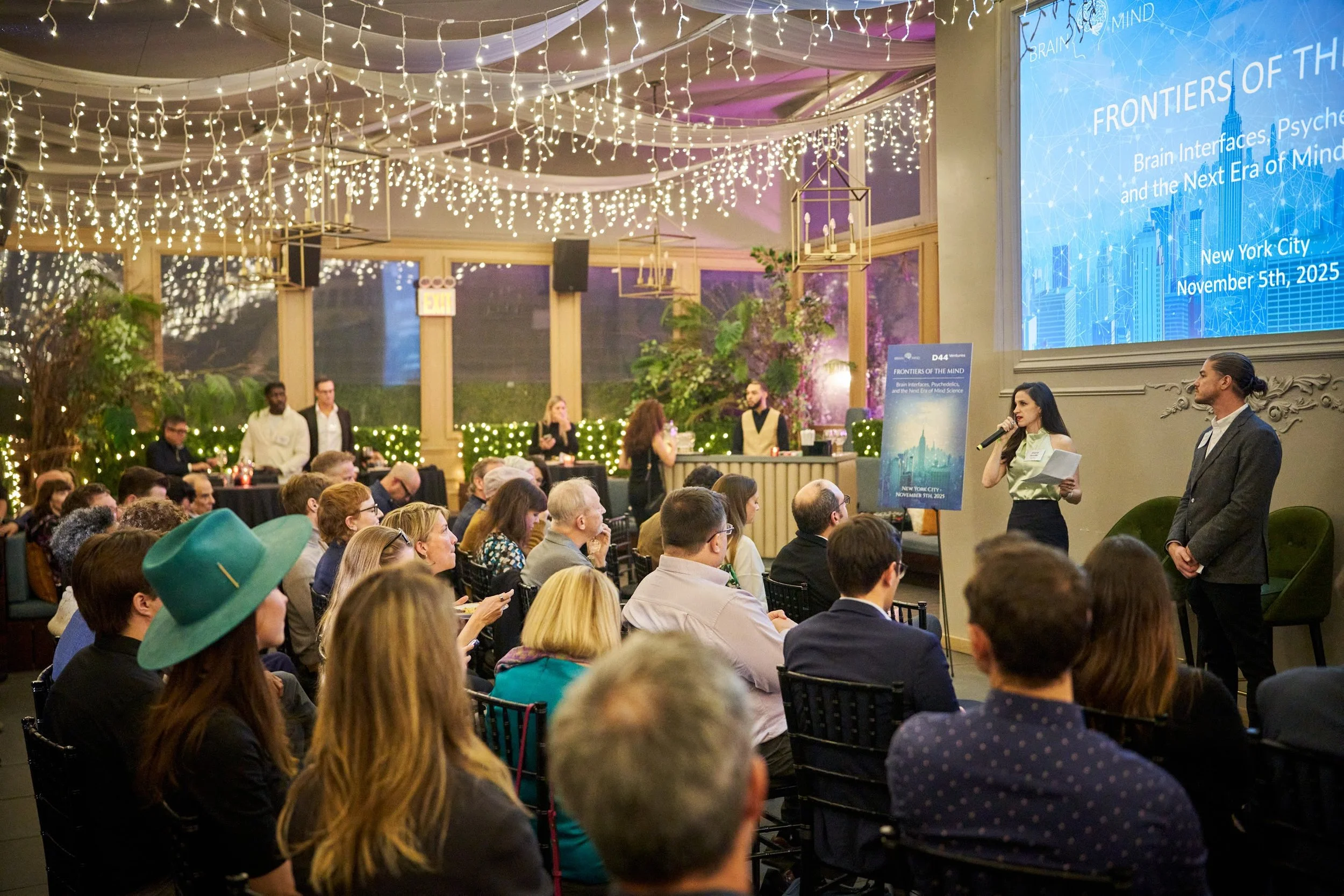
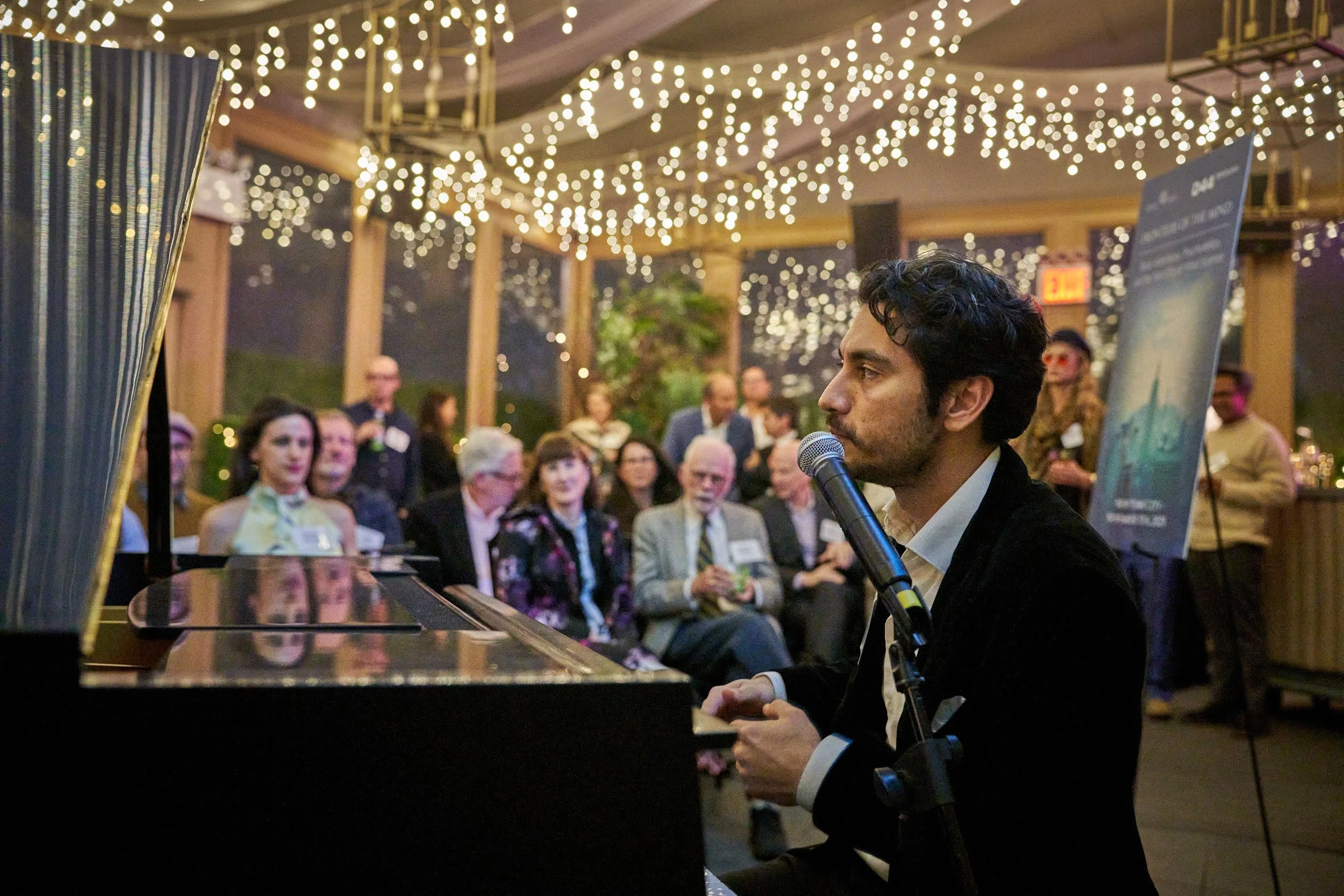
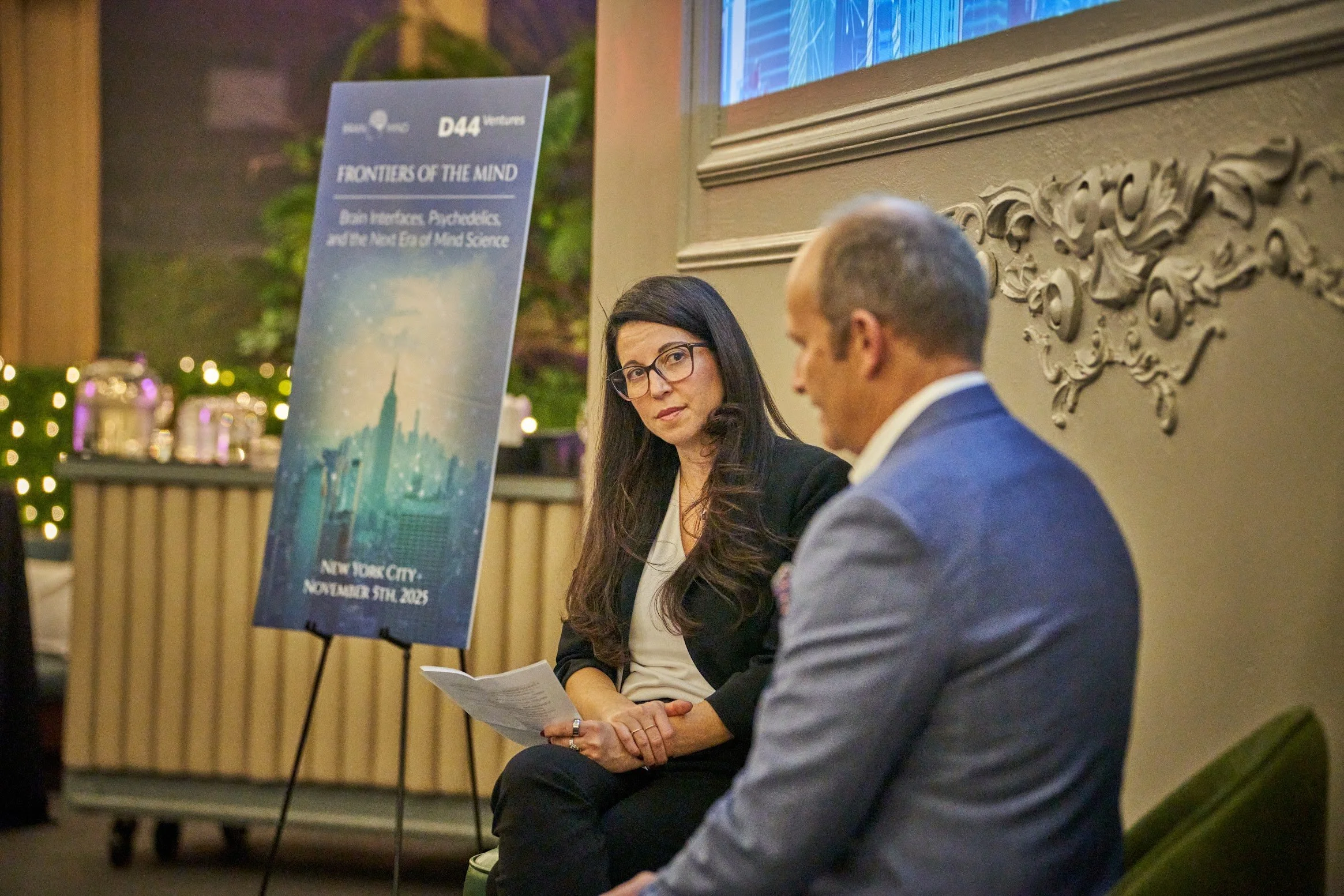
With neuroscience entering a new era of mainstream investment and policy attention, Frontiers of the Mind: Brain Interfaces, Psychedelics, and the Next Era of Mind Science brought together leading scientists, investors, and entrepreneurs advancing innovation at the intersection of mind and technology. This event also served as an Asilomar recruitment event, contributing to our goal of 250+ participants. We heard from Marcus Gerhardt, Co-Founder and CEO of Blackrock Neurotech, Dr. Heather Berlin, Associate Clinical Professor of Psychiatry and Neuroscience at Icahn School of Medicine at Mount Sinai, Dr. Jerry Rosenbaum, Psychiatrist-in-Chief Emeritus, Director, Center for the Neuroscience of Psychedelics, and Stanley Cobb Professor of Psychiatry at Harvard Medical School, and Dr. Jonathan Sporn, CEO of Gilgamesh Pharmaceuticals each illuminating how new ventures can harness the unprecedented momentum driving neuroscience forward. The evening featured a special performance from world renowned pianist and polymath Arsha Kaviani.

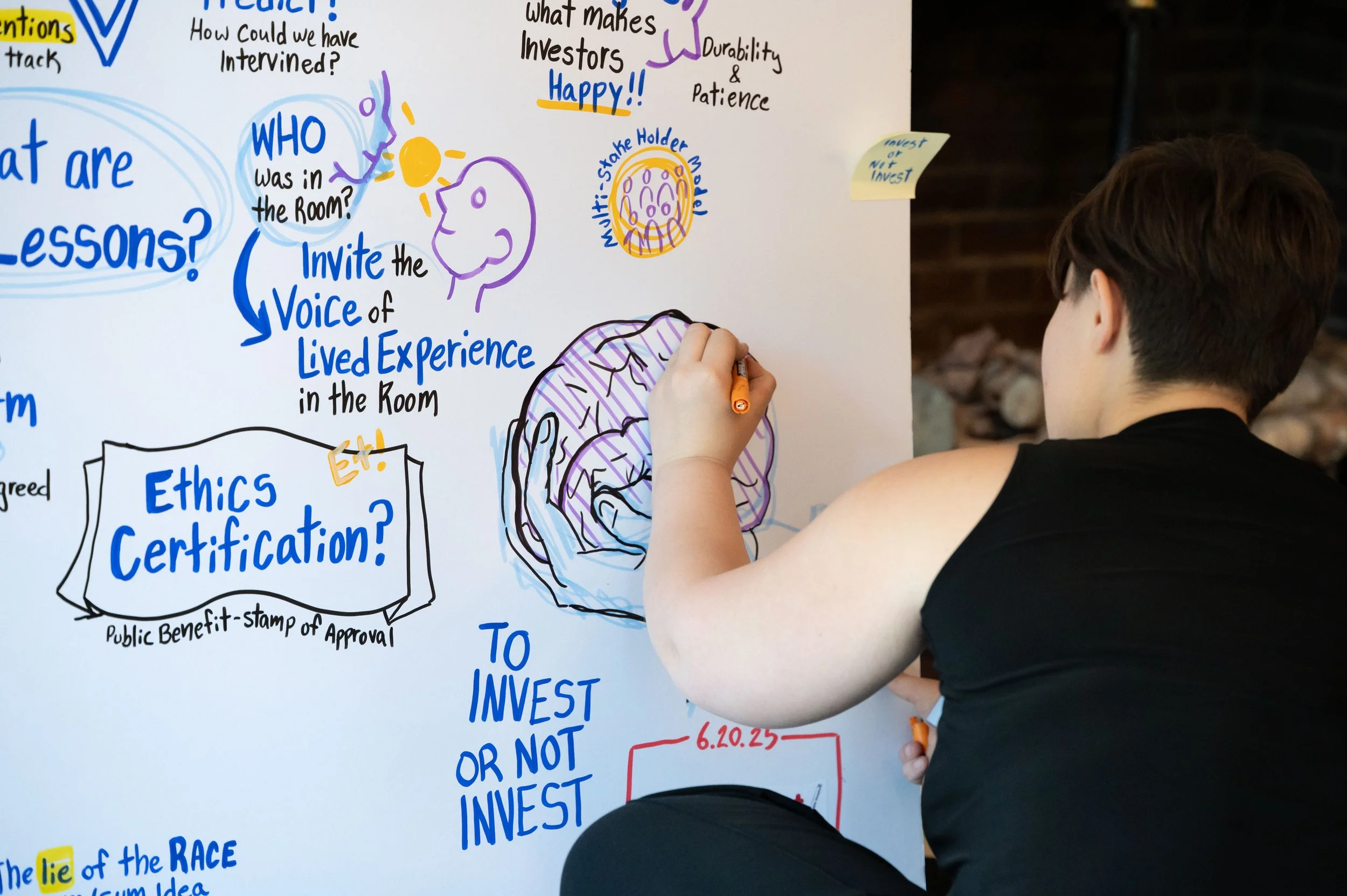
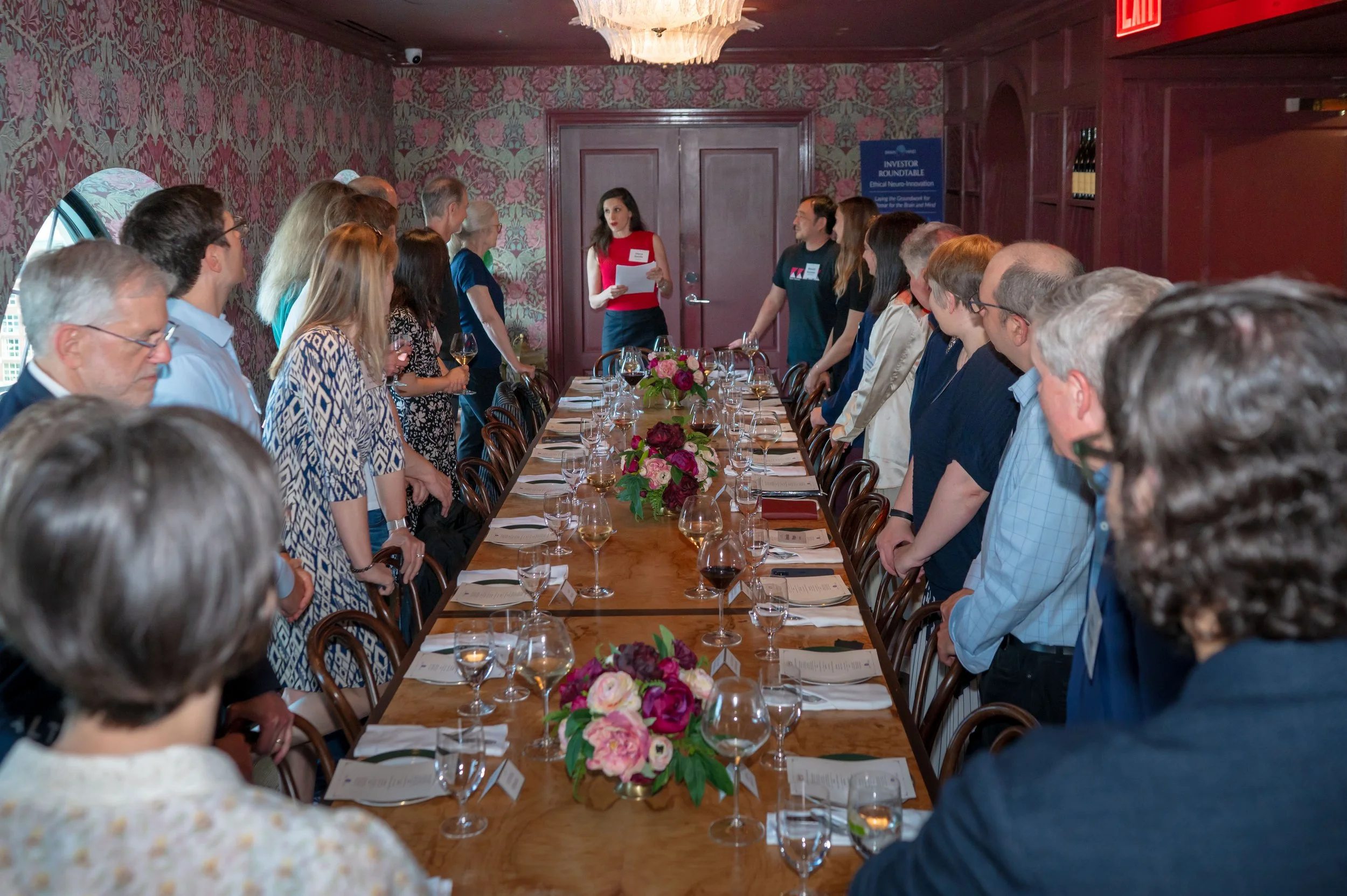
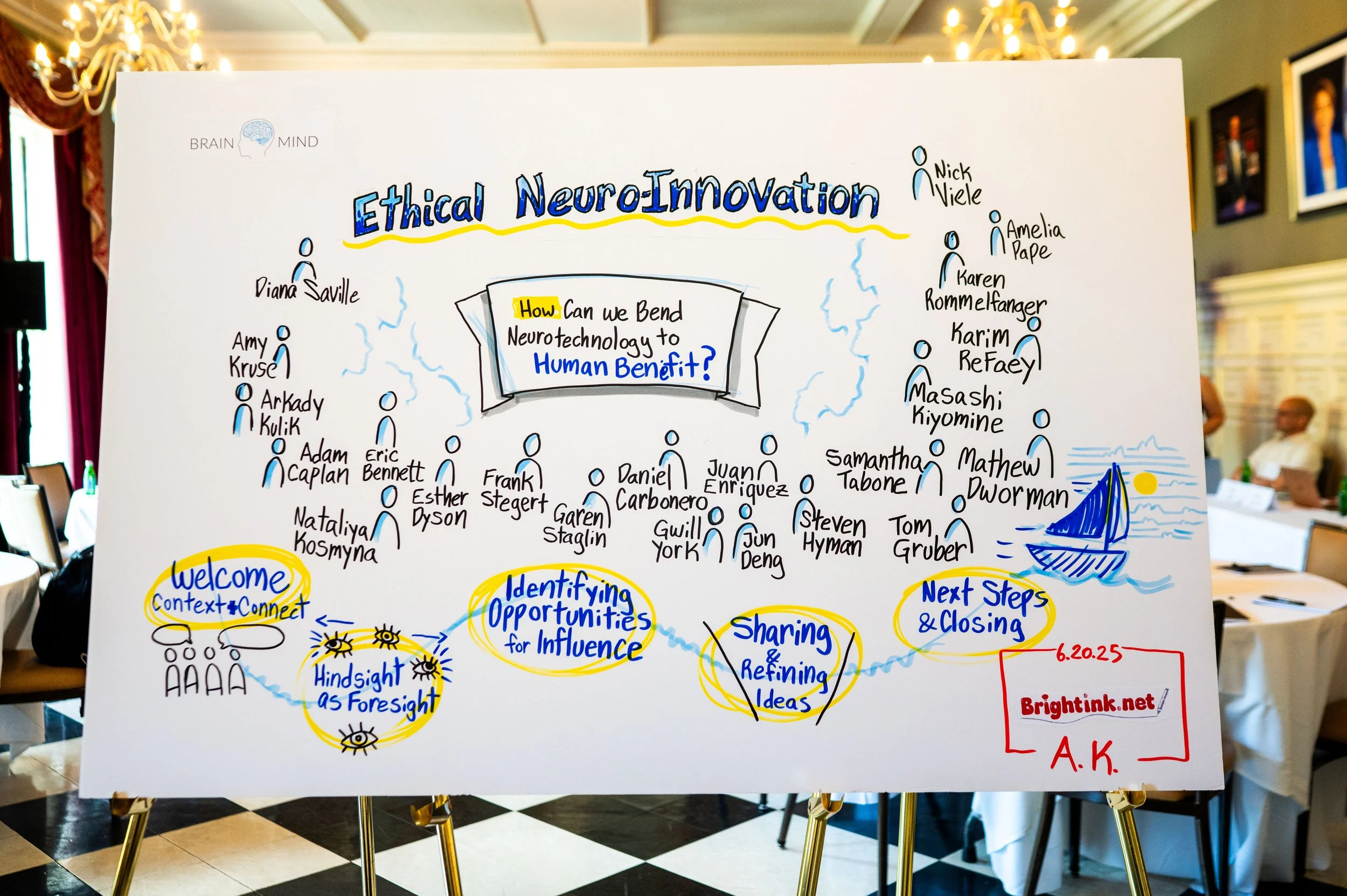
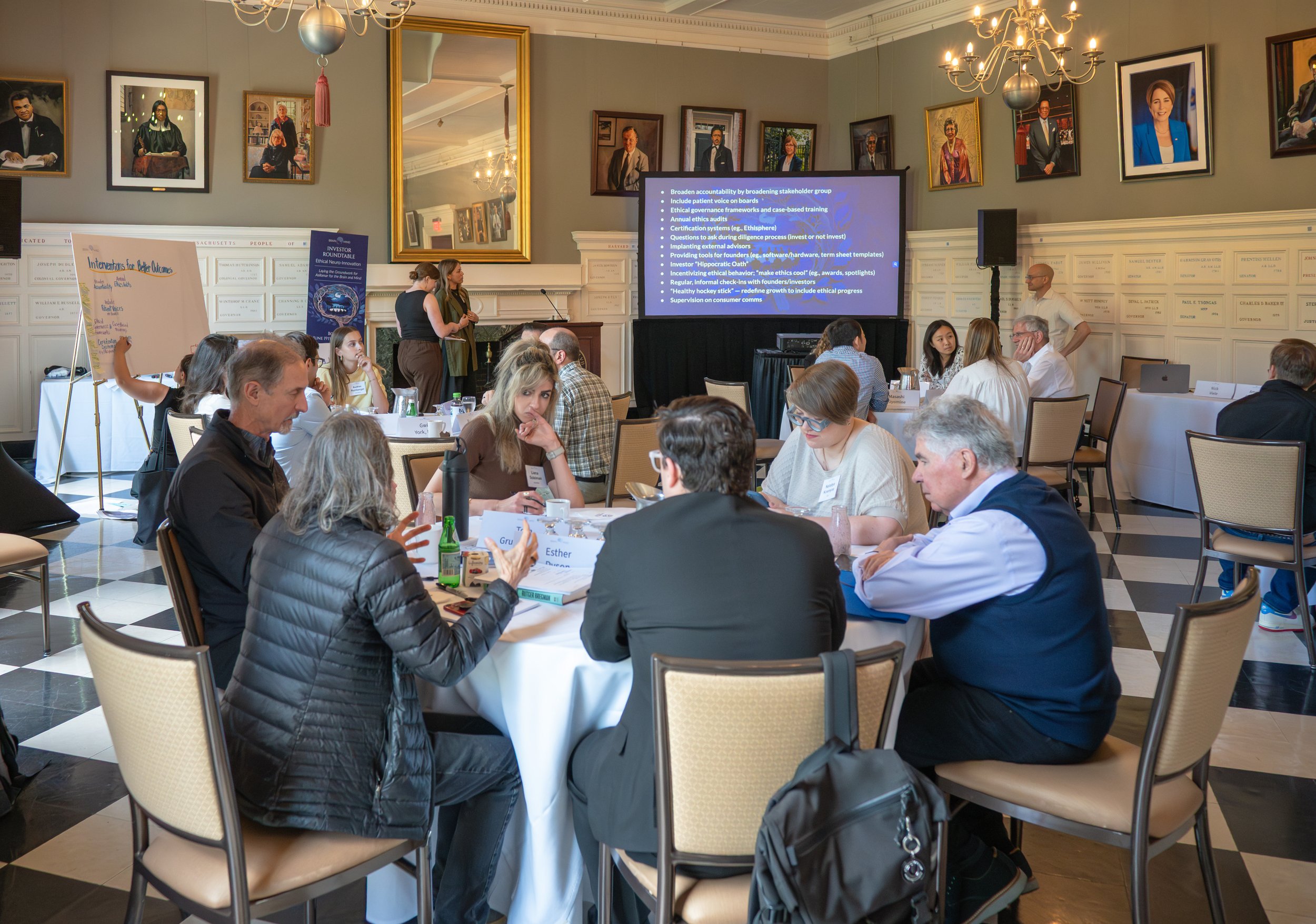
On June 20, 2025, BrainMind hosted an invitation-only Investor Roundtable at the Harvard Club of Boston to explore how ethical considerations can be more intentionally embedded into early-stage investment and governance decisions in neurotechnology. The gathering brought together a select group of values-aligned investors to examine real-world case studies, share insights, and co-develop practical tools for responsible innovation.
As a result of this meeting, two participant-led working groups were launched—one to design a Joint Investor–Founder Agreement and another to build an Ethics & Reputation Risk Matrix, with work to be presented at Asilomar for the Brain and Mind in 2026
SPECIAL BREAKOUT SESSION AT THE BRAINMIND SPECIAL FORUM ON NEUROMODULATION, BCI, AND AI (2024)
The First Brain Data Law Just Passed. What Do You Need to Know – and What’s Next?
It is essential that leaders in neurotechnology—companies, investors, scientists, and more—know about and shape public policy and industry standards. Dr. Rafael Yuste, along with Jamie Daves, came together for a behind-the-scenes briefing on the latest developments in U.S. and global regulation and industry practices. The session covered the precedent-setting Colorado neurotech legislation and highlighted what was expected next in the U.S. and worldwide. Dr. Karen Rommelfanger moderated an interactive discussion on strategies stakeholders could use to navigate the emerging regulatory and industry environments, advance innovation, and foster public trust. Participants were encouraged to pose questions, share experiences, and engage in debate. The session provided a critical opportunity for stakeholders to learn more and get involved in determining what would come next.
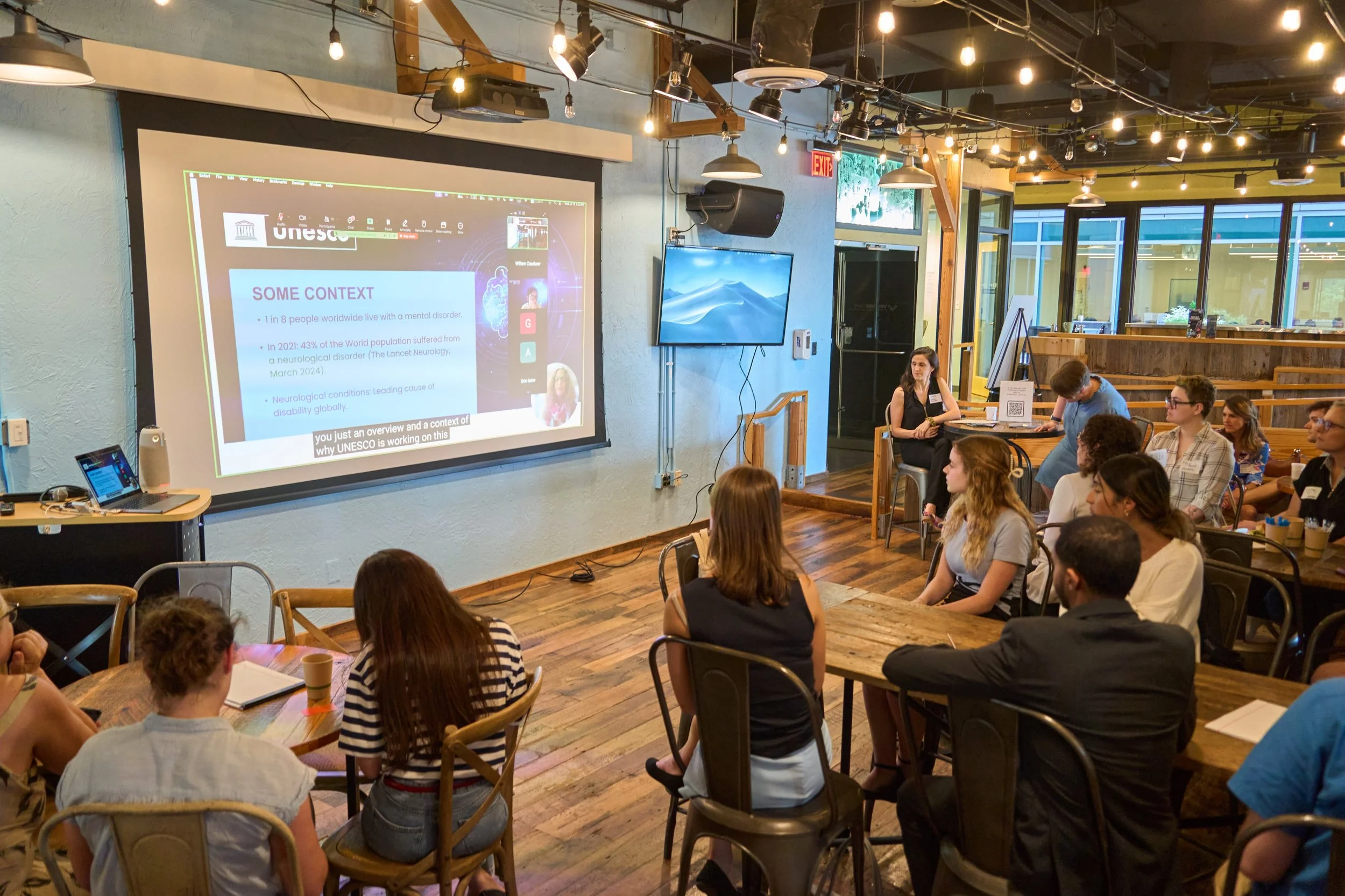
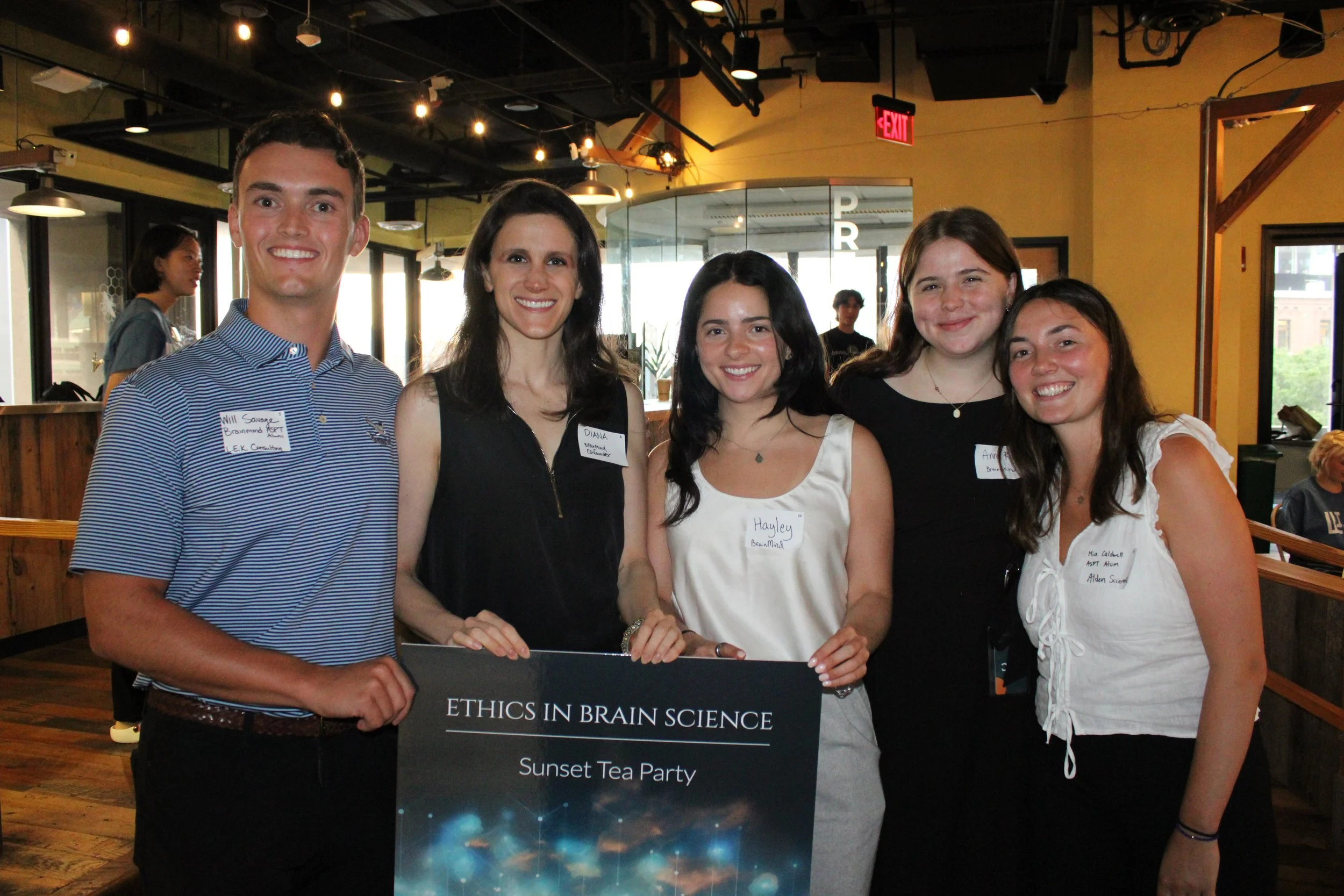
ETHICS AND BRAIN SCIENCE SUNSET TEA PARTY (2024)
Co-hosted with UNESCO and the MIT Media Lab
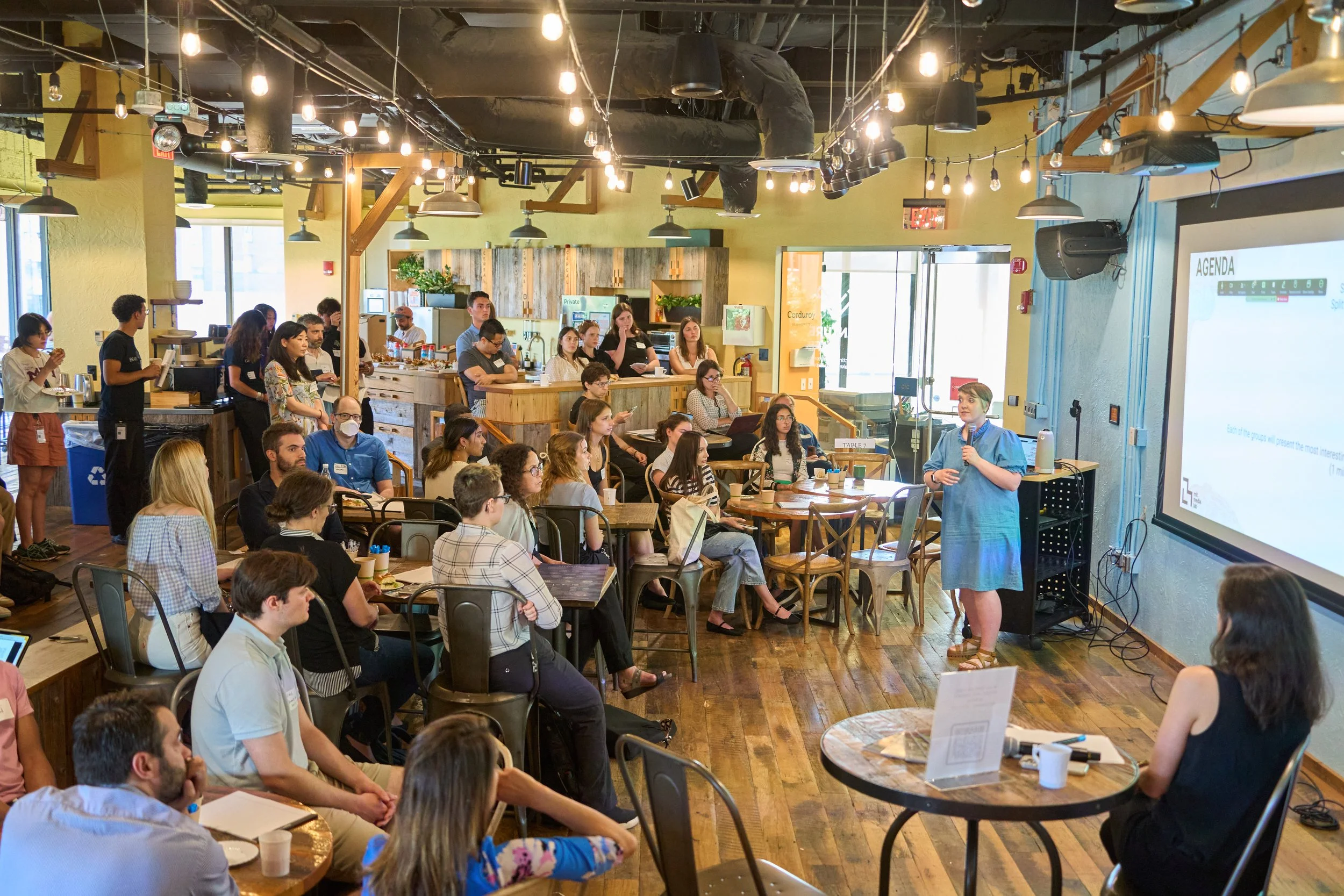
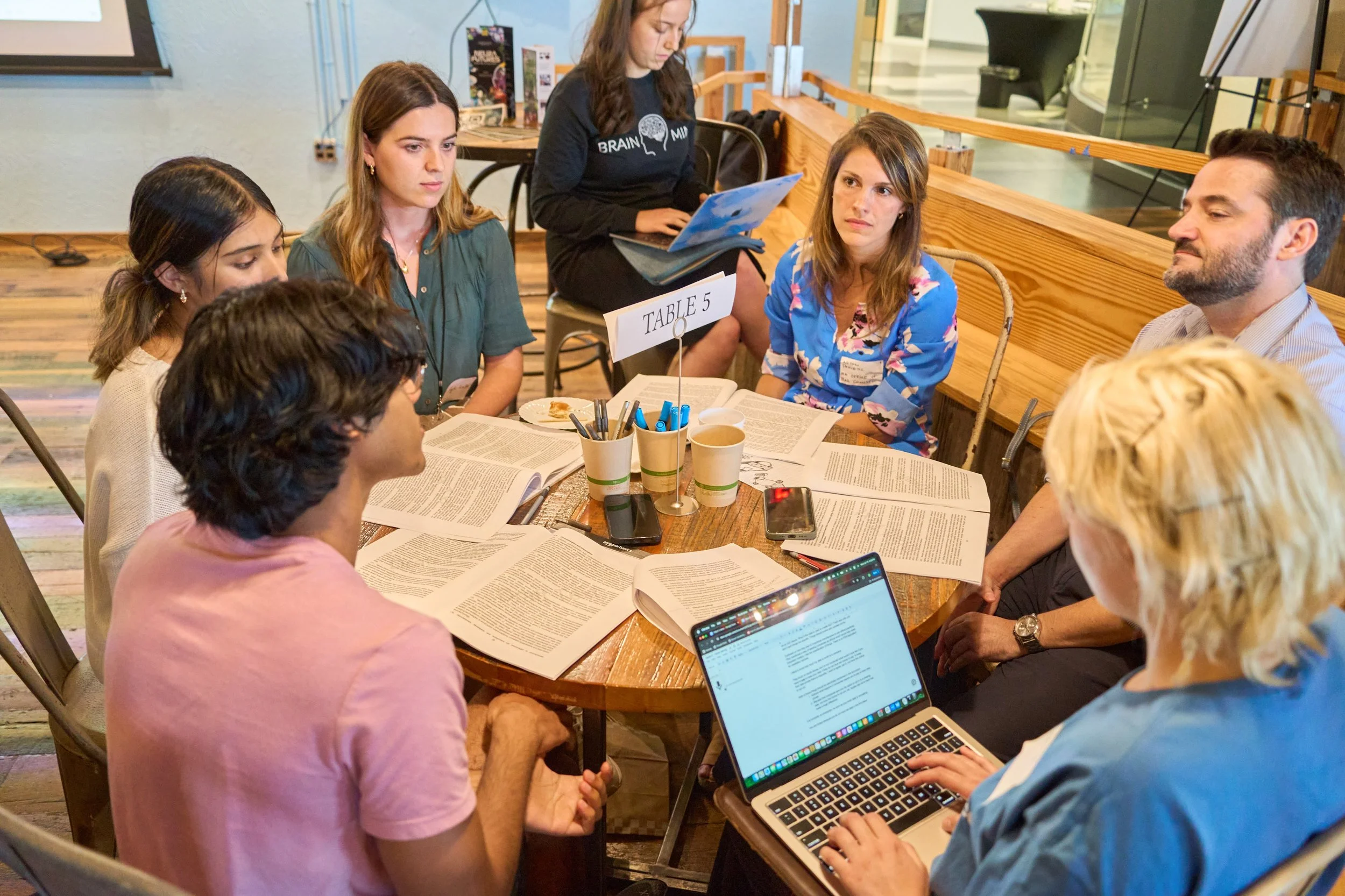
The purpose of this gathering was to discuss the recent UNESCO draft for a global standard on the Ethics of Neurotechnology, providing feedback and insight that was then used to guide the final draft. Nataliya Kosmyna, Ph.D, Expert Group Member, UNESCO Neuroethics, Research Scientist at MIT Media Lab, led the discussions. This was a unique experience to listen to our community and gather individual voices to help establish comprehensive guidelines and protocols globally.
Before convening, participants were asked to read the UNESCO draft for a global standard on the Ethics of Neurotechnology, and come prepared to discuss and lend their unique opinion. Diverse stakeholders were gathered, from students to entrepreneurs to investors, in order to gather more comprehensive feedback and insights.
GLOBAL ADVISORY MEETING 2022: NEUROETHICS IMPLEMENTATION IN THE PRIVATE SECTOR
Co-organised with the Organisation for Economic Co-operation and Development (OECD)
In collaboration with the OECD, BrainMind convened 30 interdisciplinary leaders in Paris to advise on securing the role of neuroethics in the future of neuroscience research and innovation. This gathering focused on the implementation of neuroethics frameworks across academia, entrepreneurship, public policy, and investing. The OECD Recommendation on Responsible Innovation in Neurotechnology served as a jumping-off point for the discussion.
This advisory meeting informed implementation efforts of neuroethics softlaw guidance, specifically highlighting concrete roles and activities of different actors. Meeting participants also helped to shape the agenda for the larger (tentatively 250 person) interdisciplinary summit to be convened by BrainMind and a number of international collaborators at the Asilomar California Conference Grounds in 2023. Convening key actors from the private sector, this effort identified best practices for implementing neuroethical inquiry toward advancing the most powerful neuroscience and neurotechnology outcomes for society.

The workshop will be hosted at the Château de la Muette, OECD Headquarters

In 2021 and into 2022, BrainMind convened sector-specific advisory meetings on practical neuroethics engagement in a virtual setting. These sessions helped us to better understand the incentives driving decision-making by stakeholders across neuro-innovation.
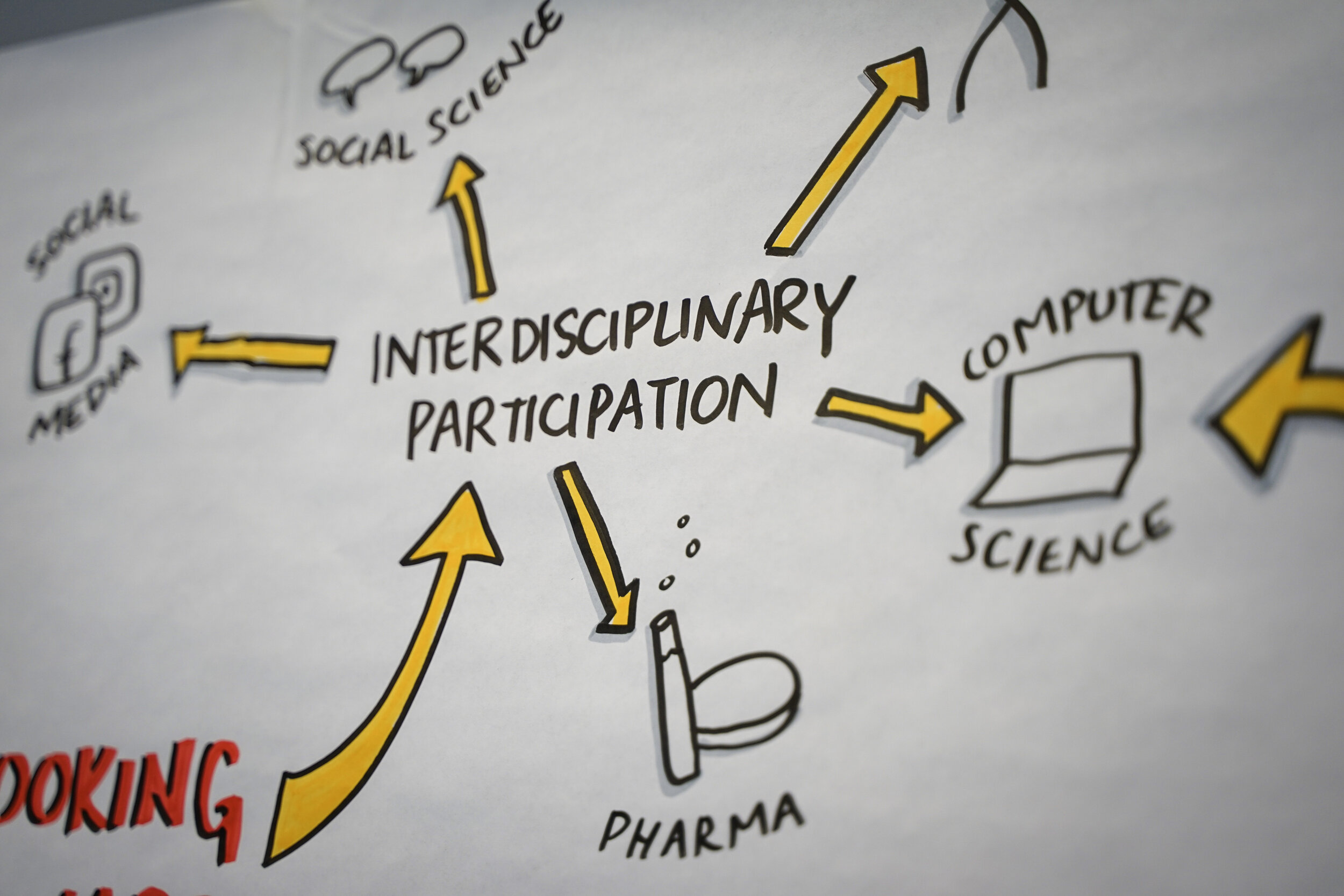
This was part of the larger effort to build an active forum for deep discussion on responsible innovation across traditionally siloed disciplines, uniquely connecting neuroethicists with neuroscientists, policymakers, and private sector stakeholders to an unrivaled degree.
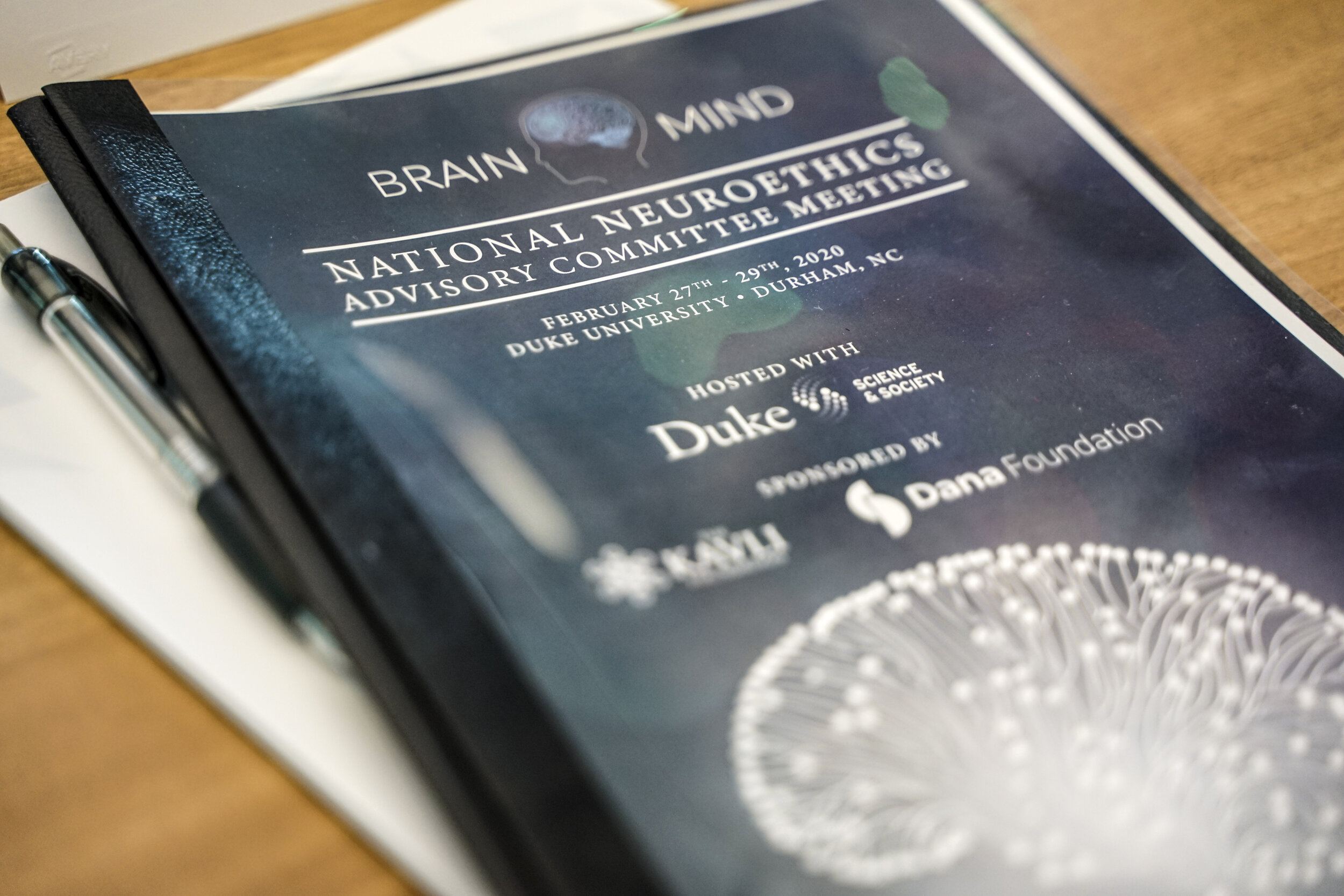
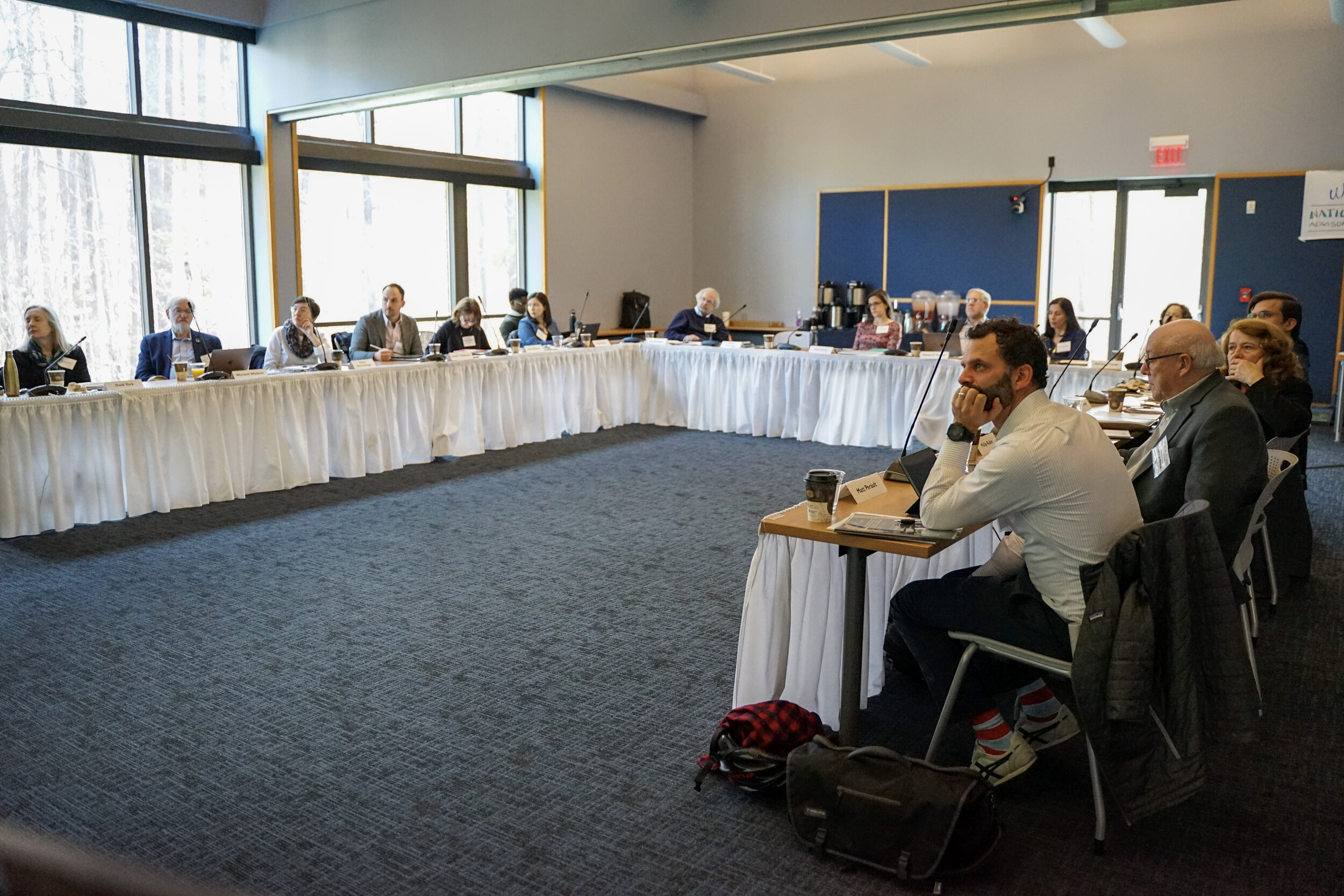
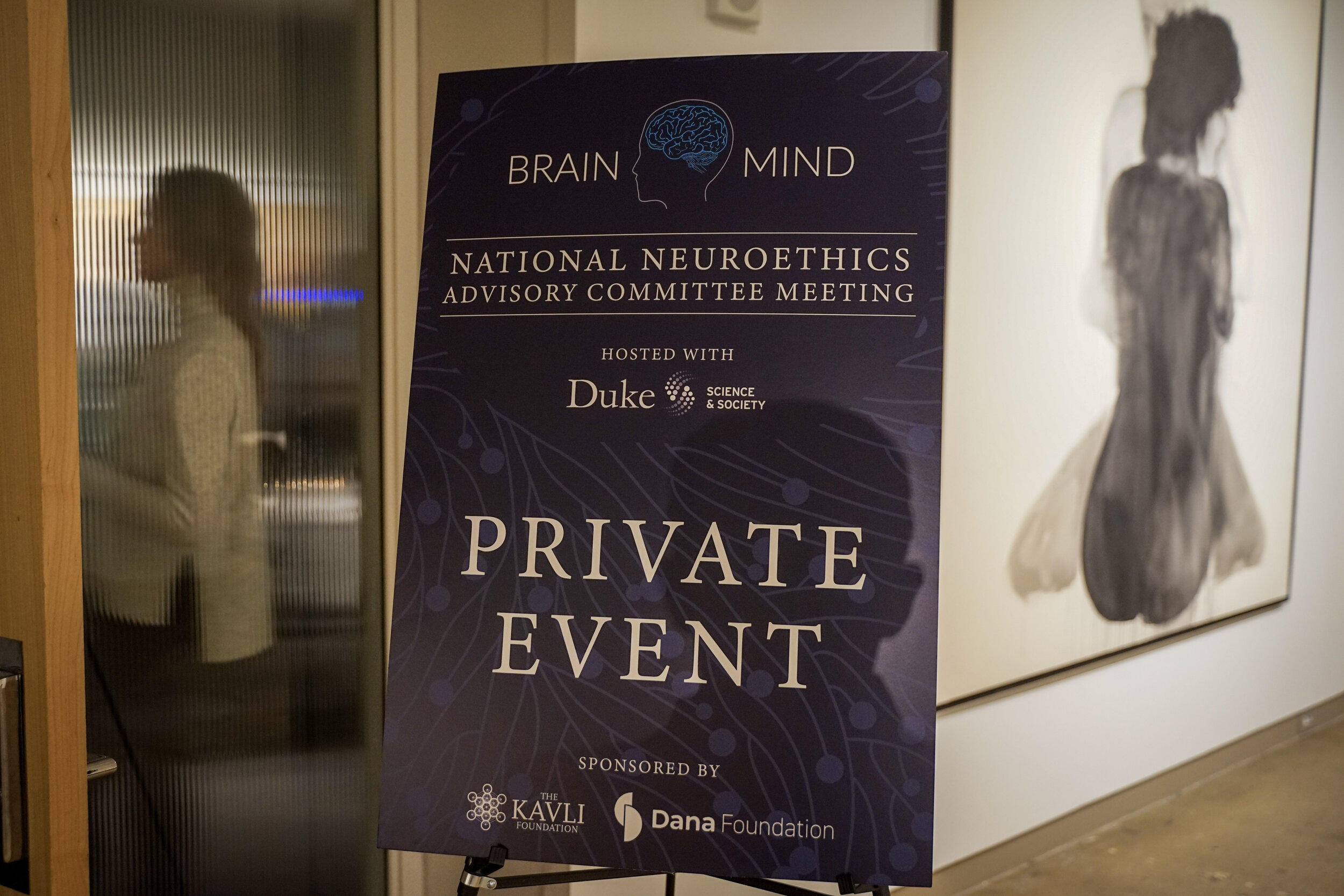
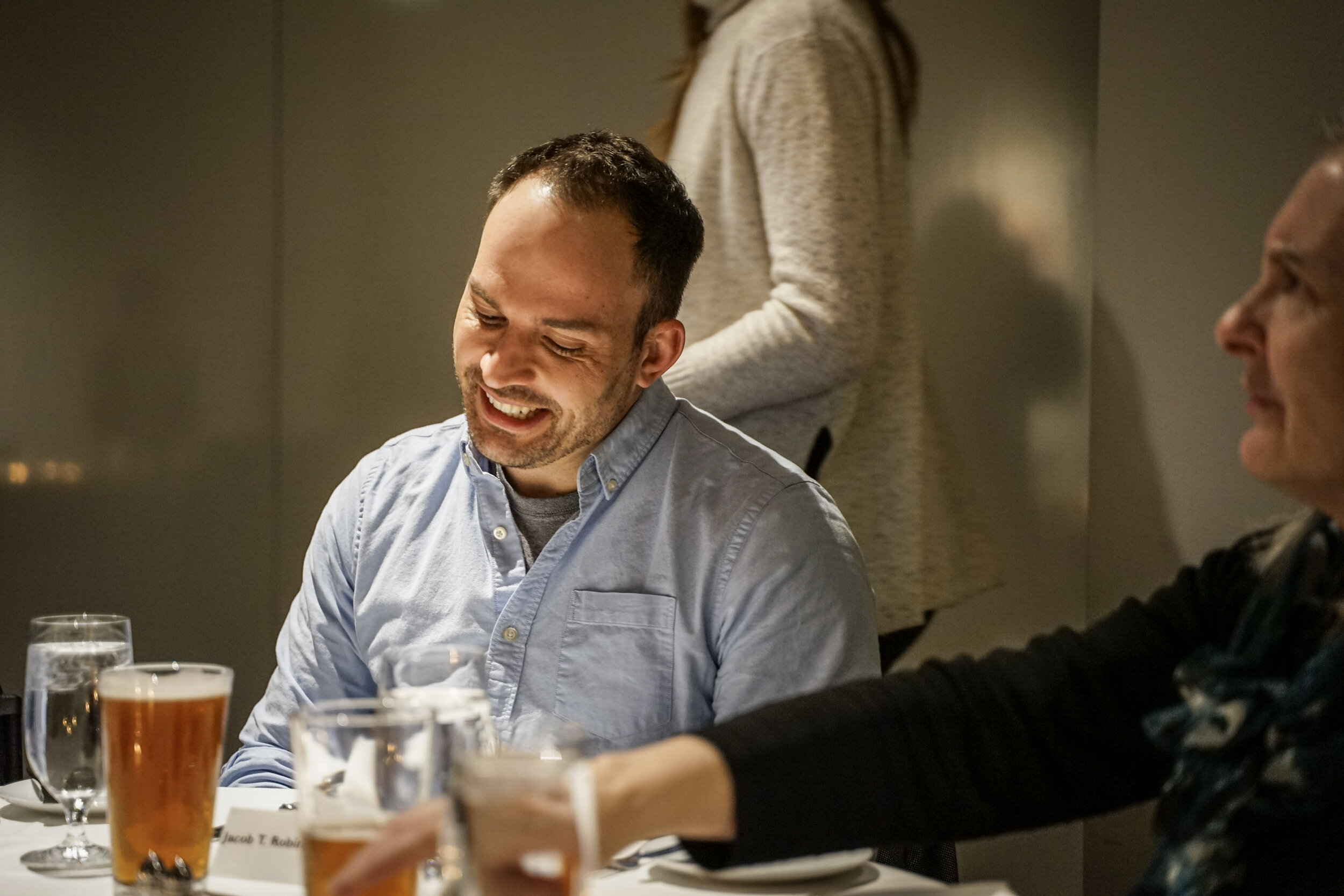
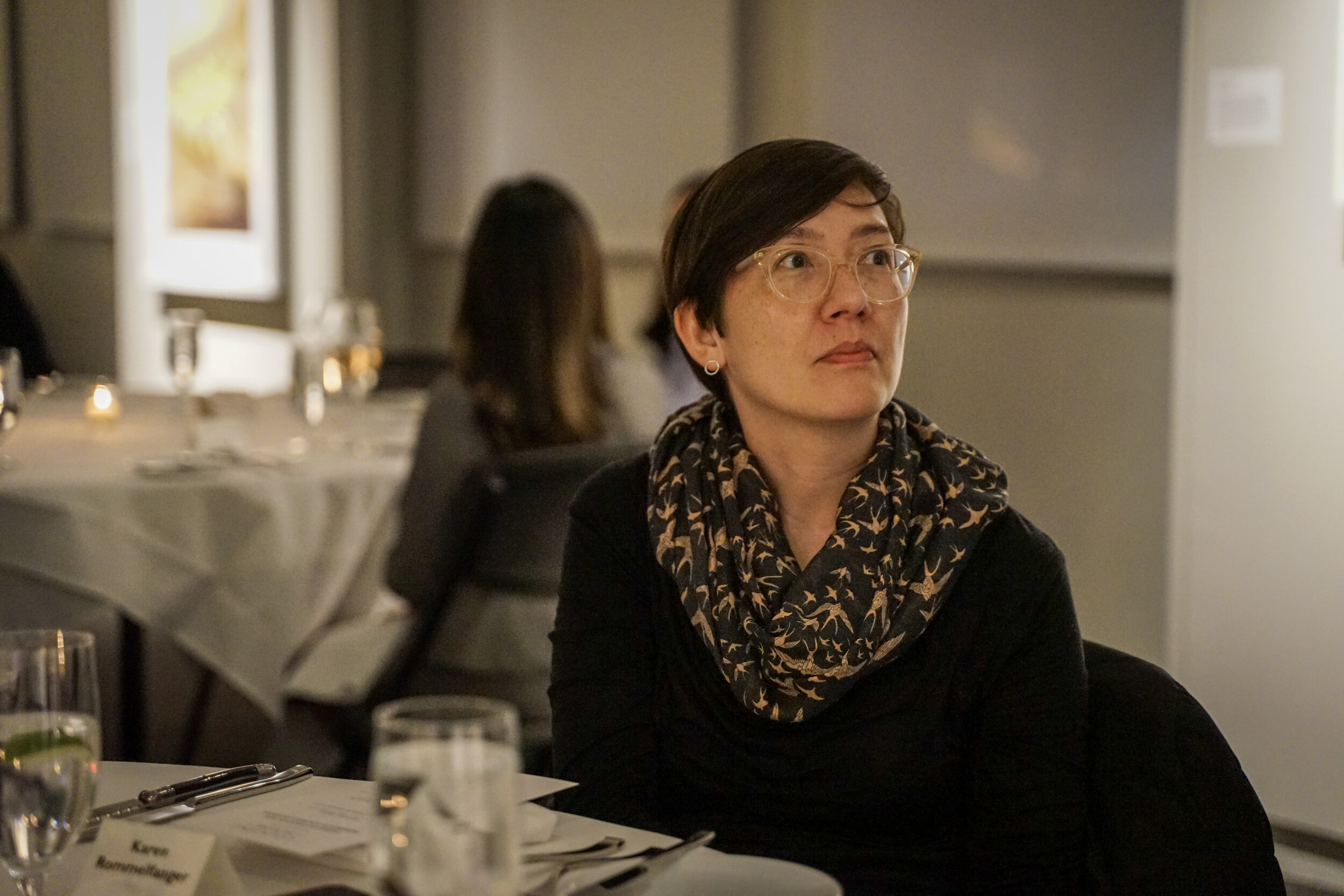
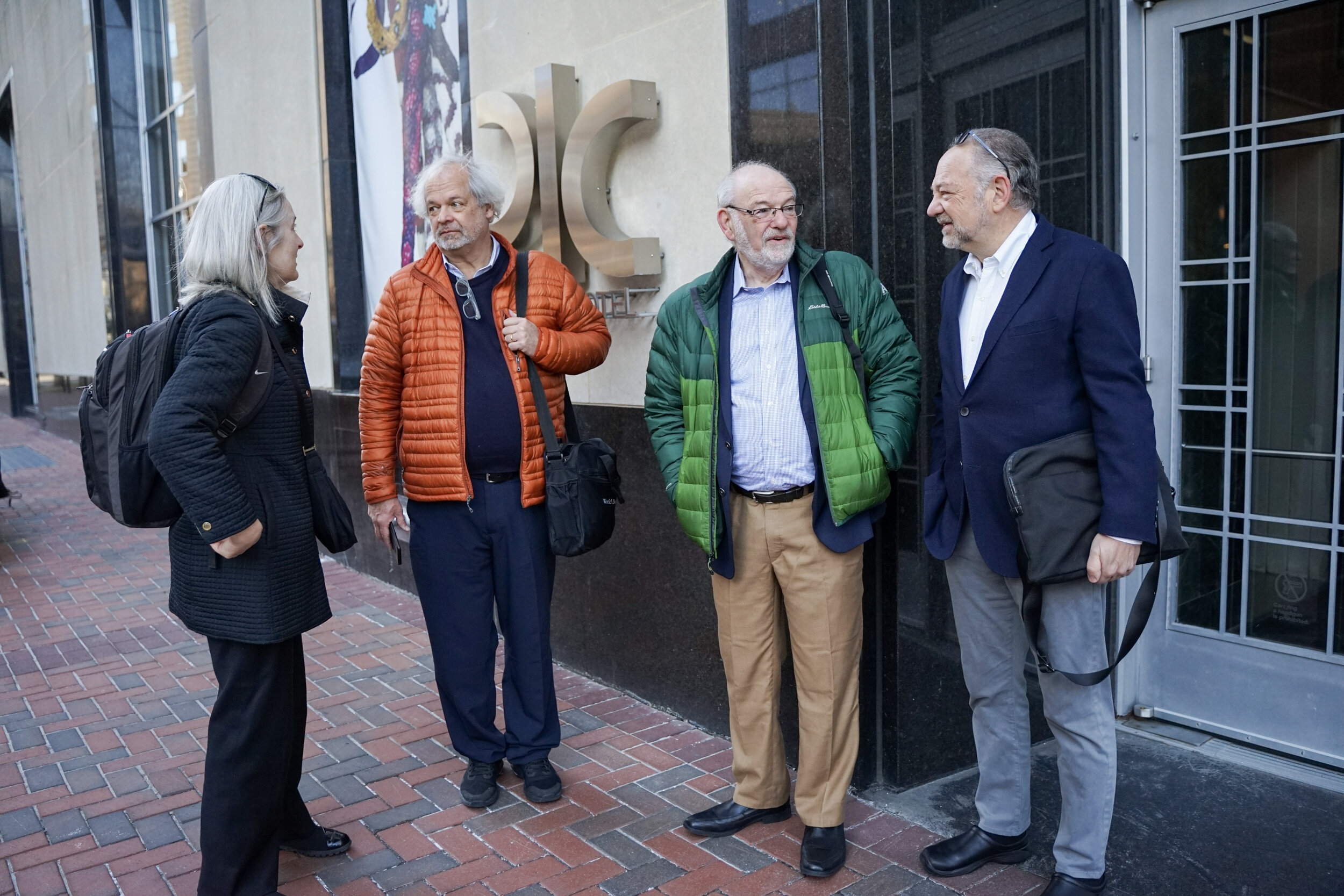
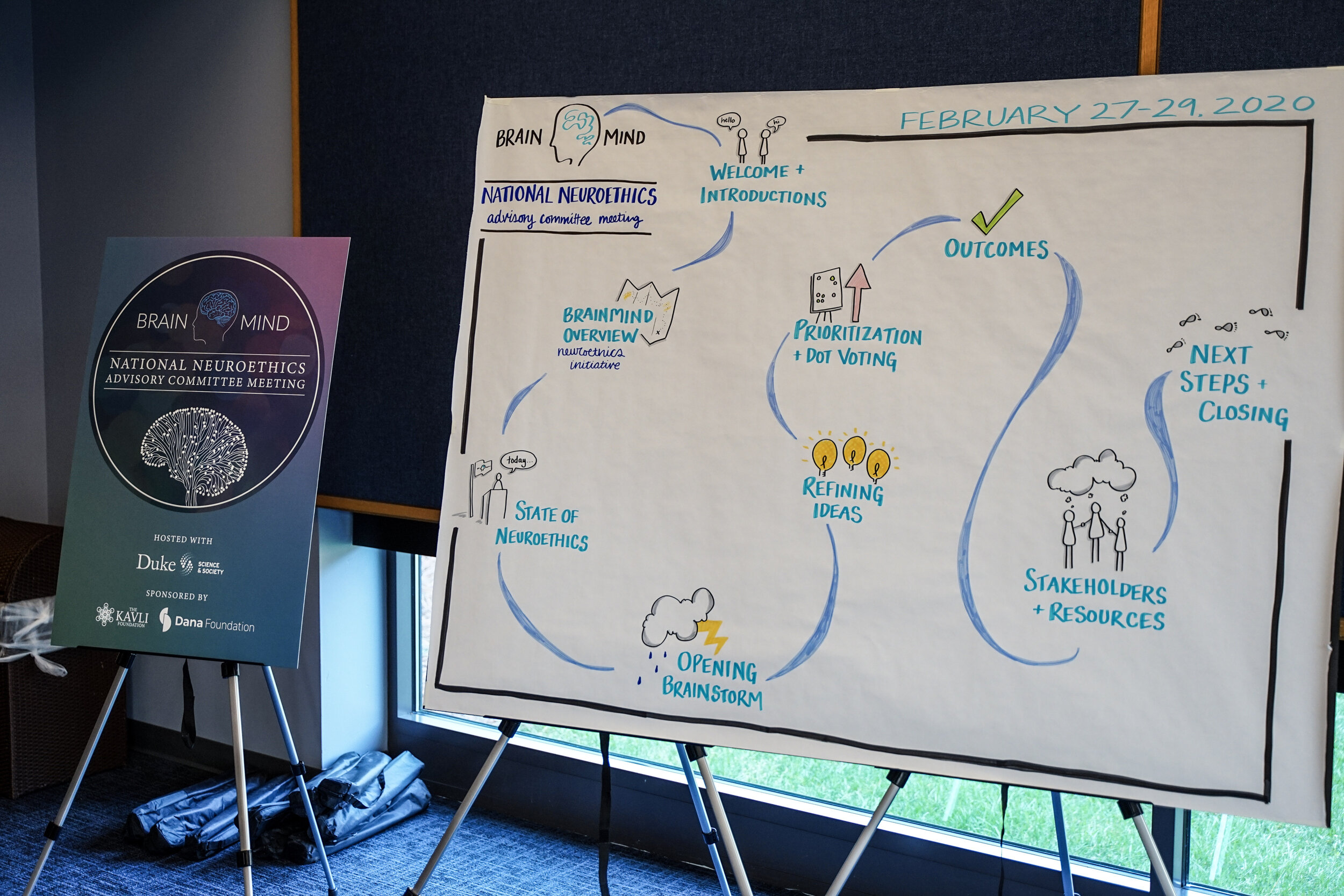
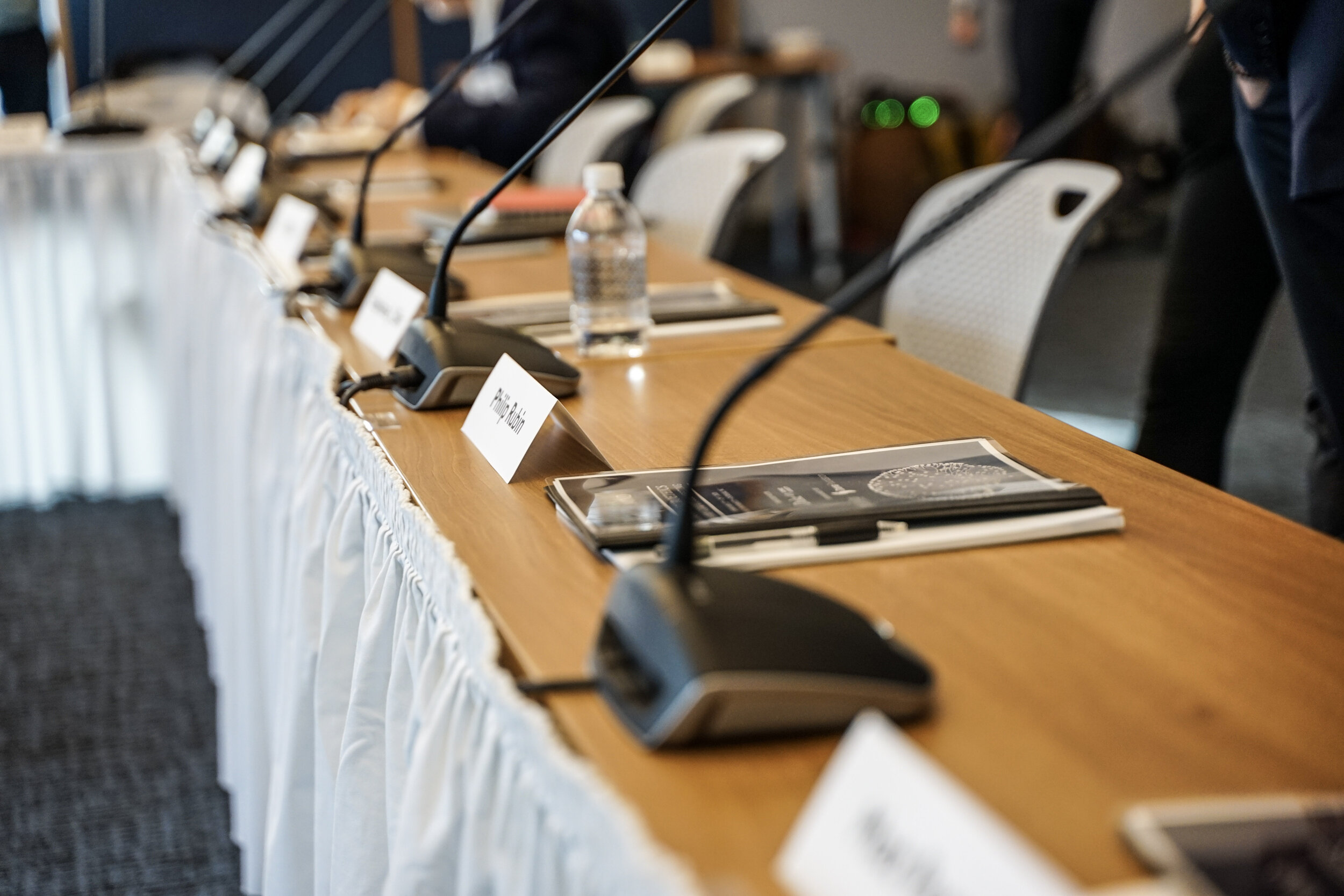
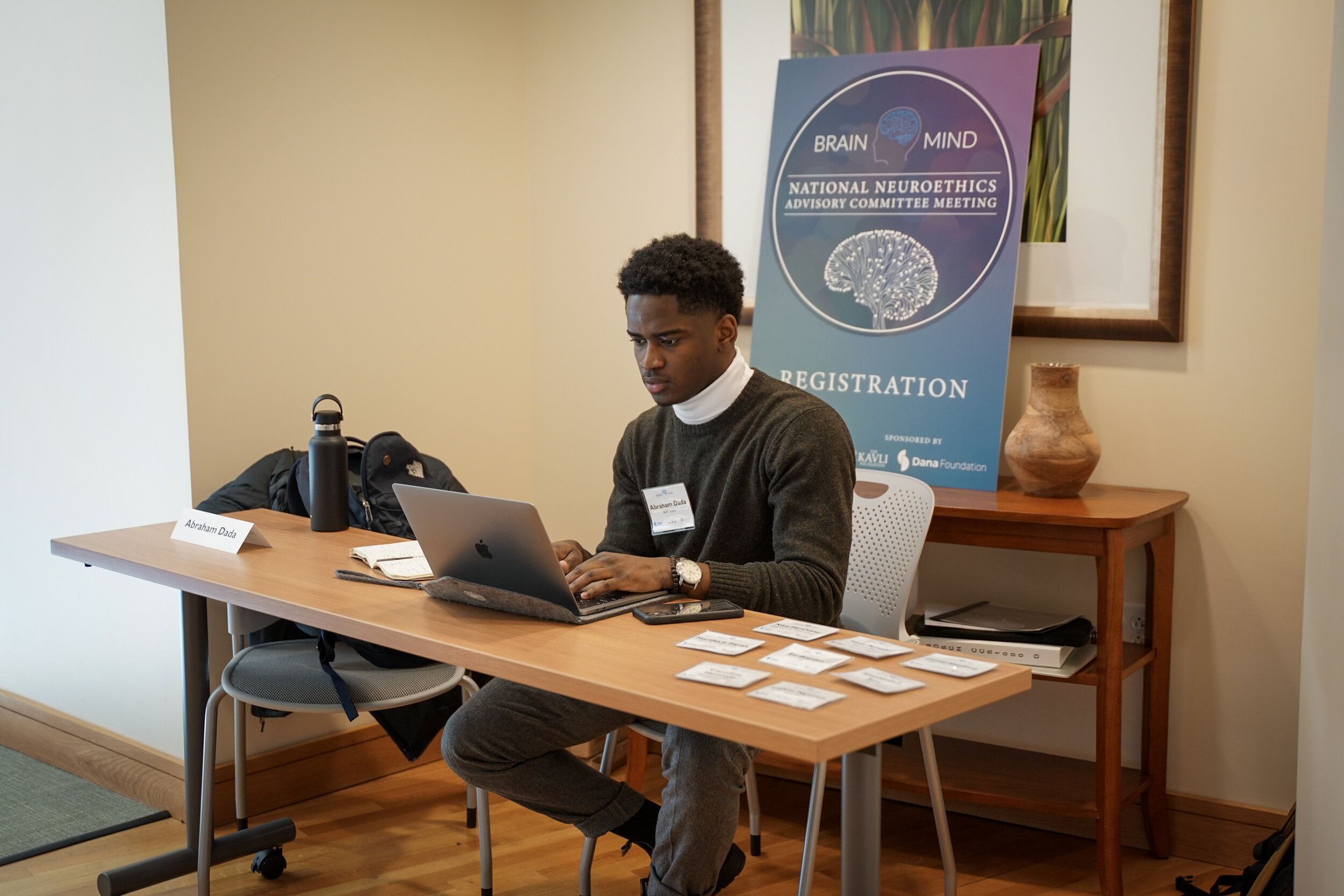
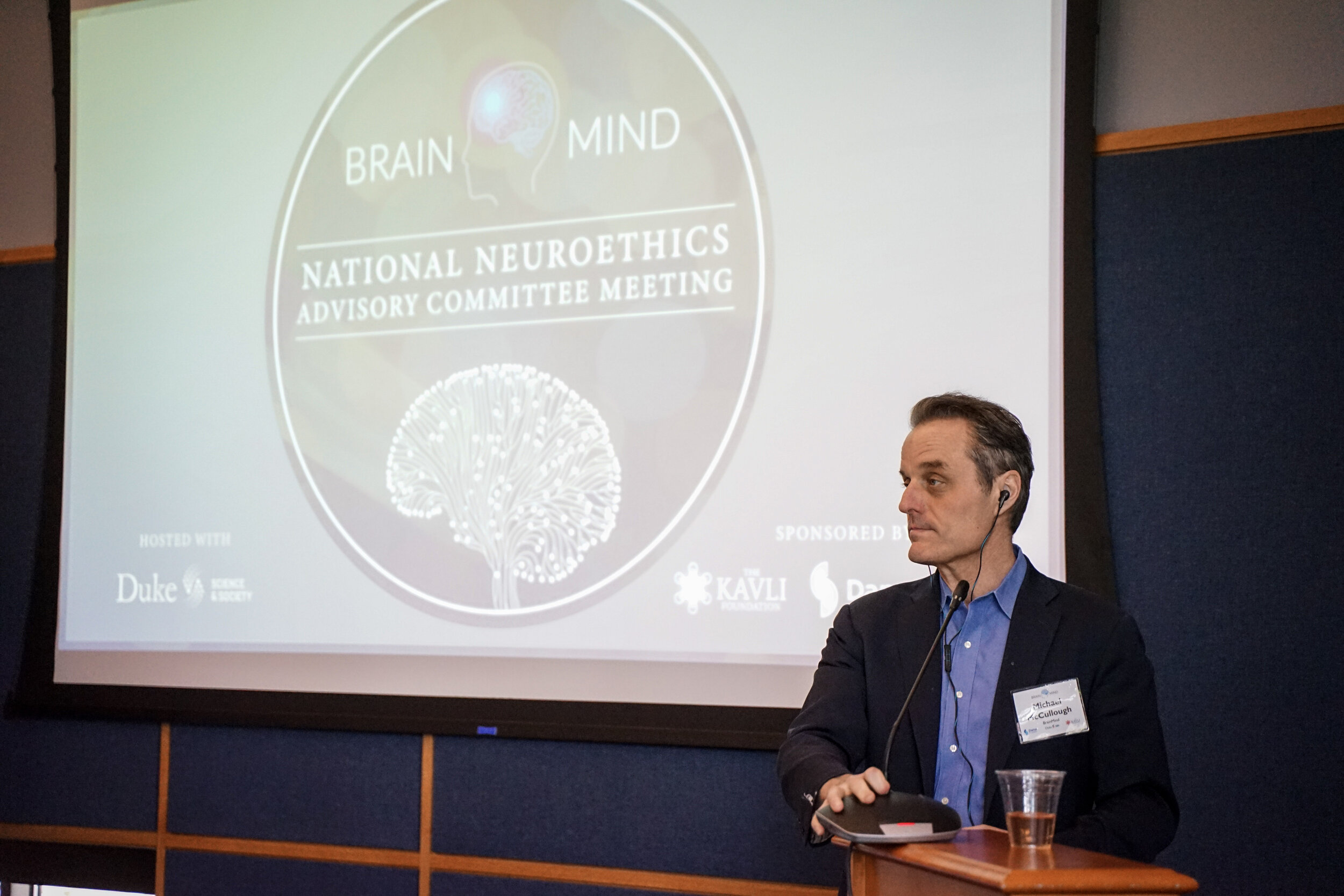
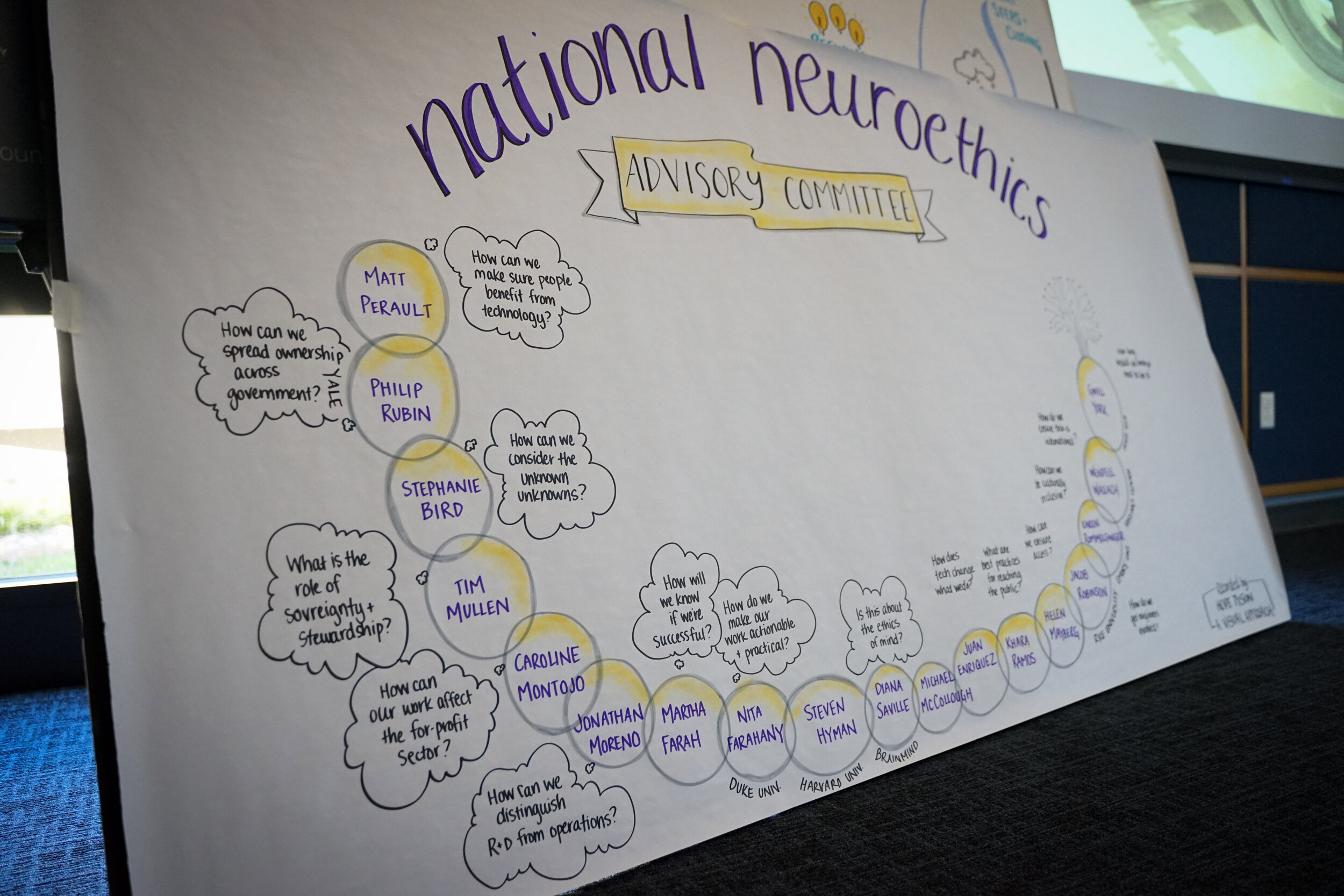
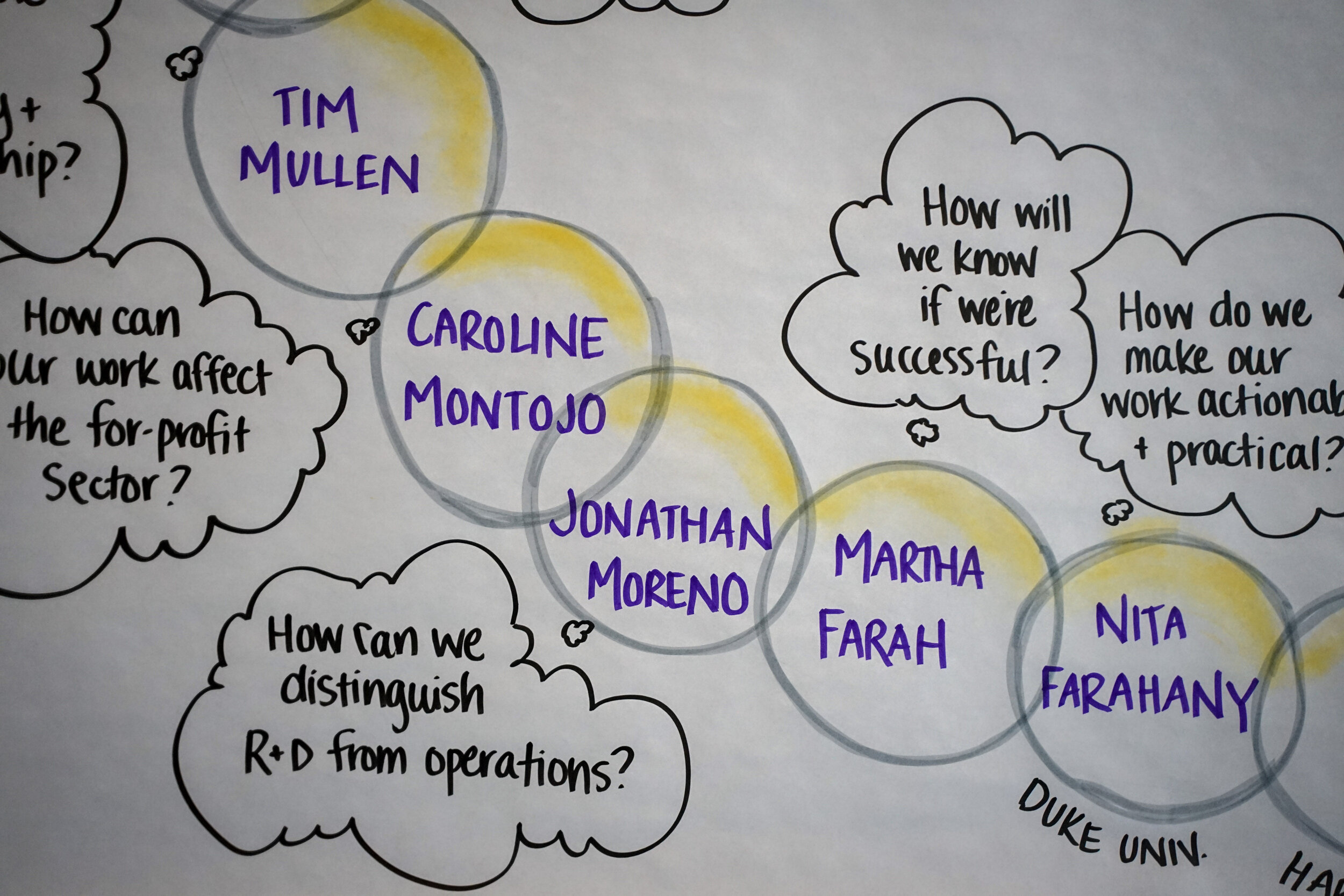
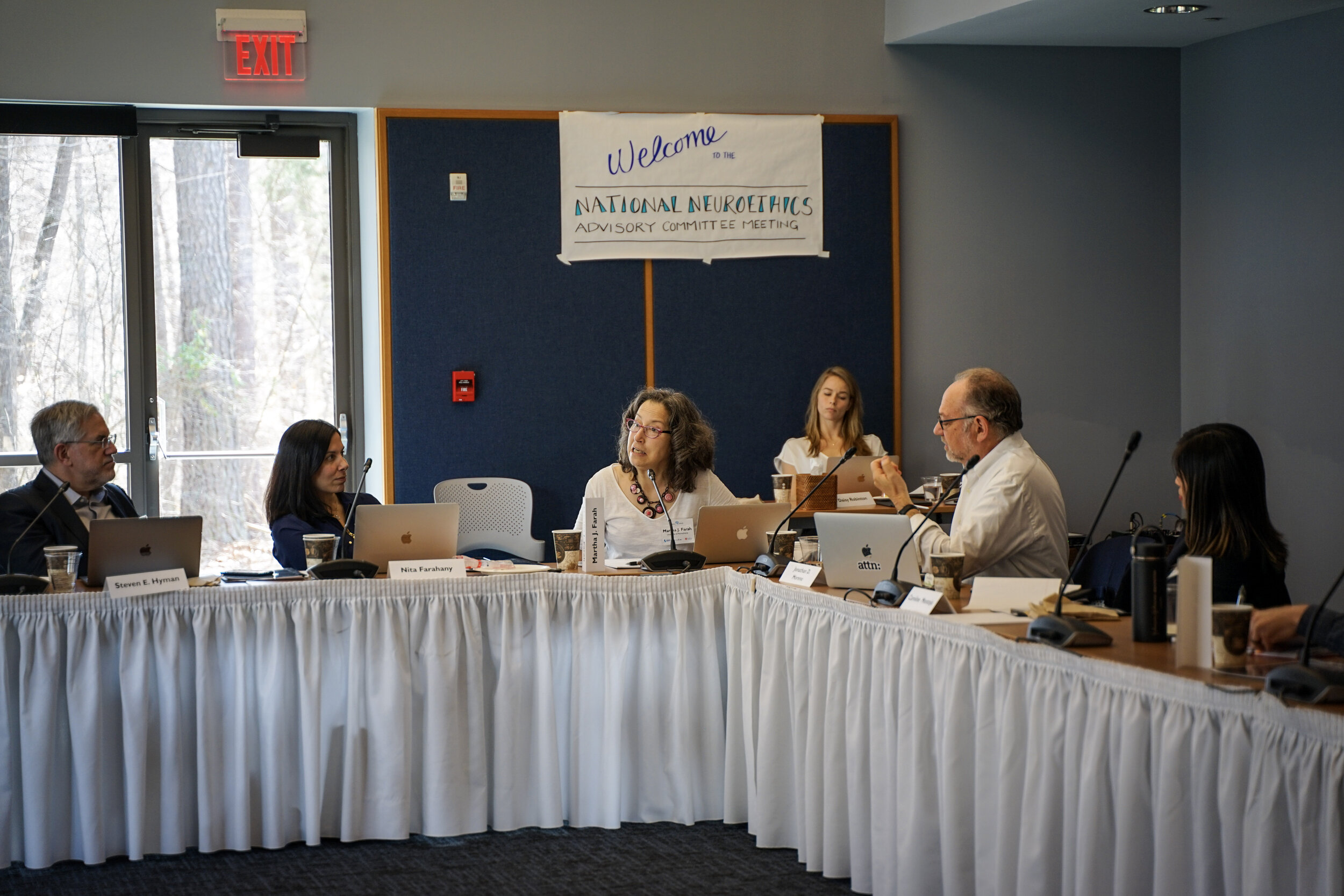
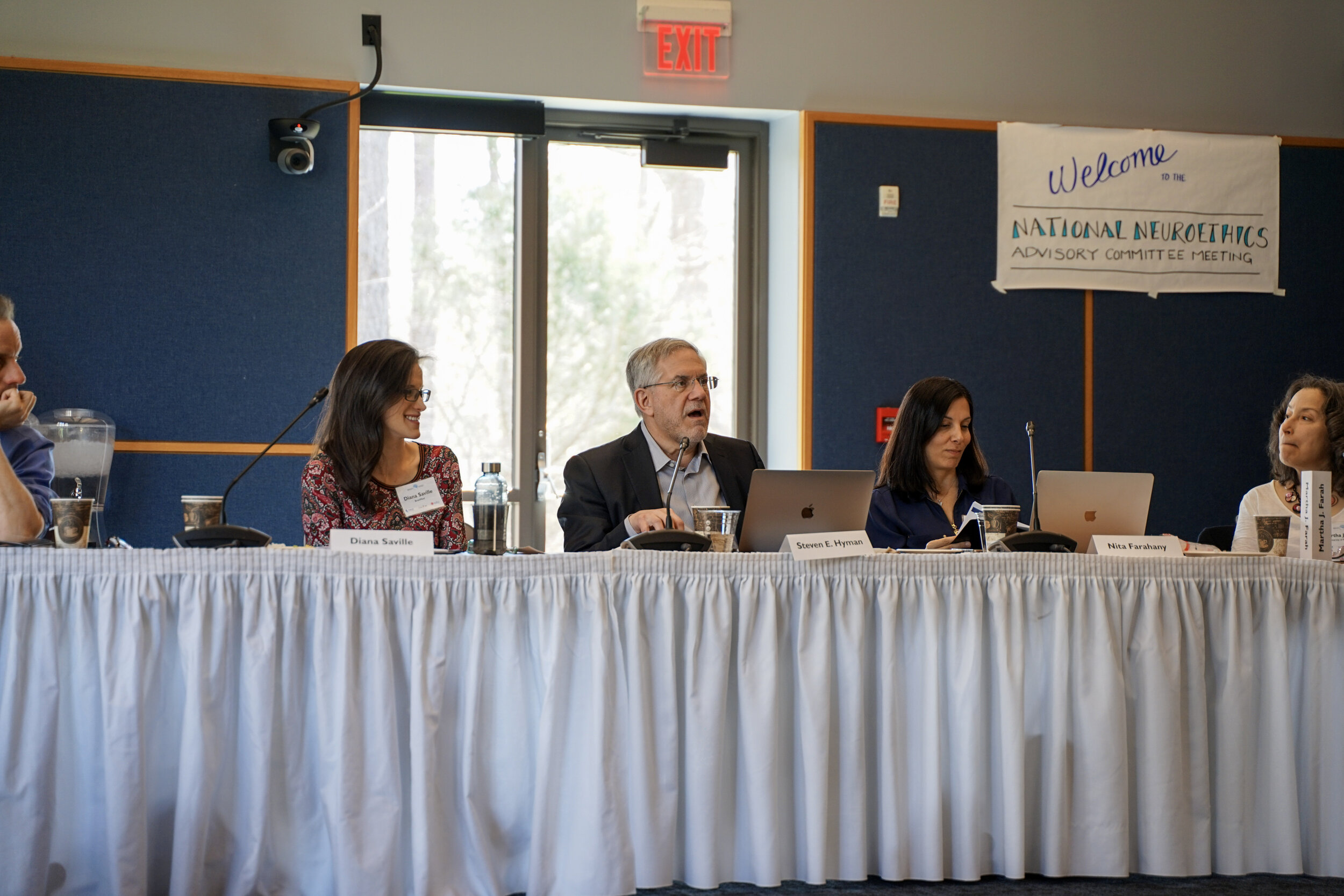
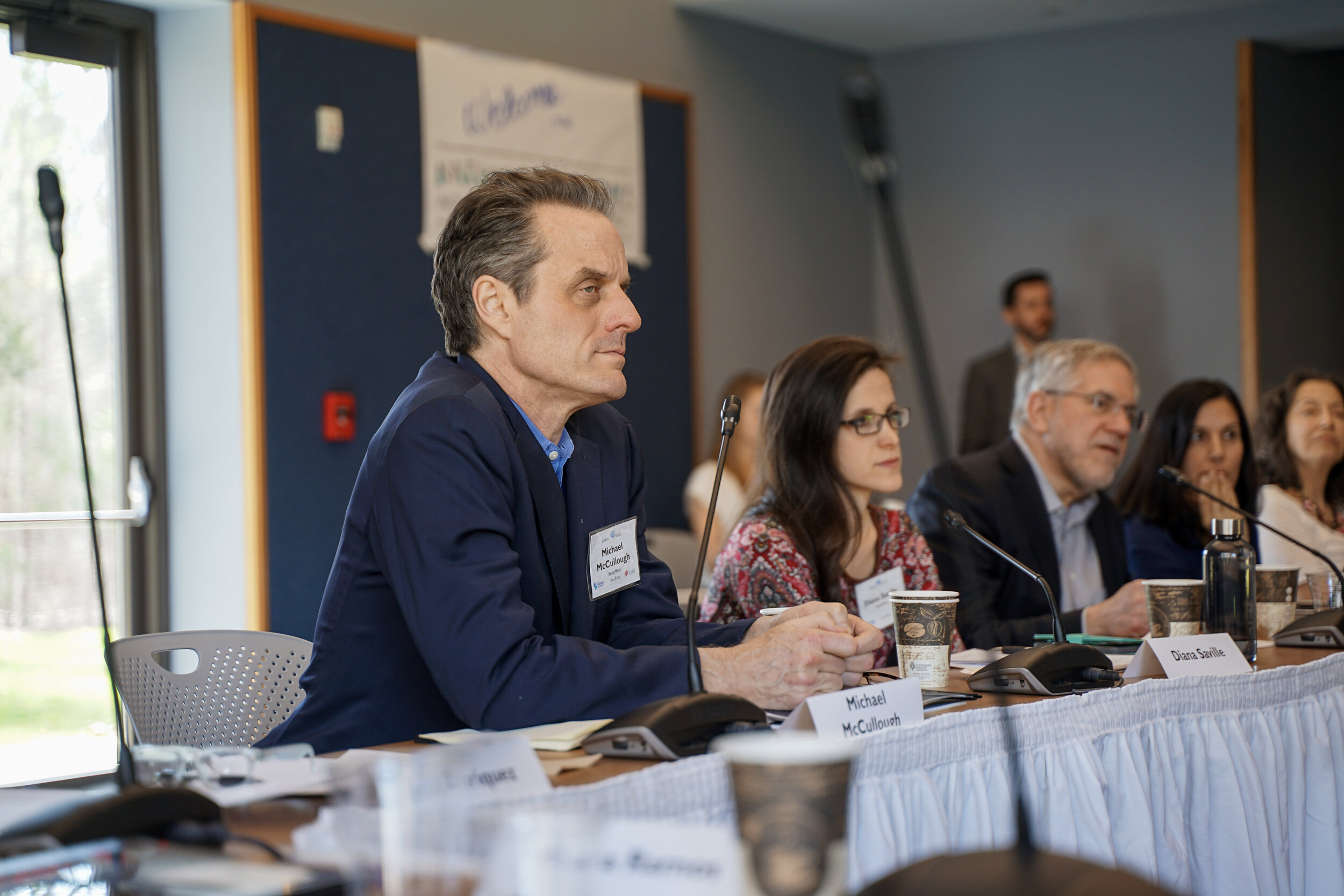
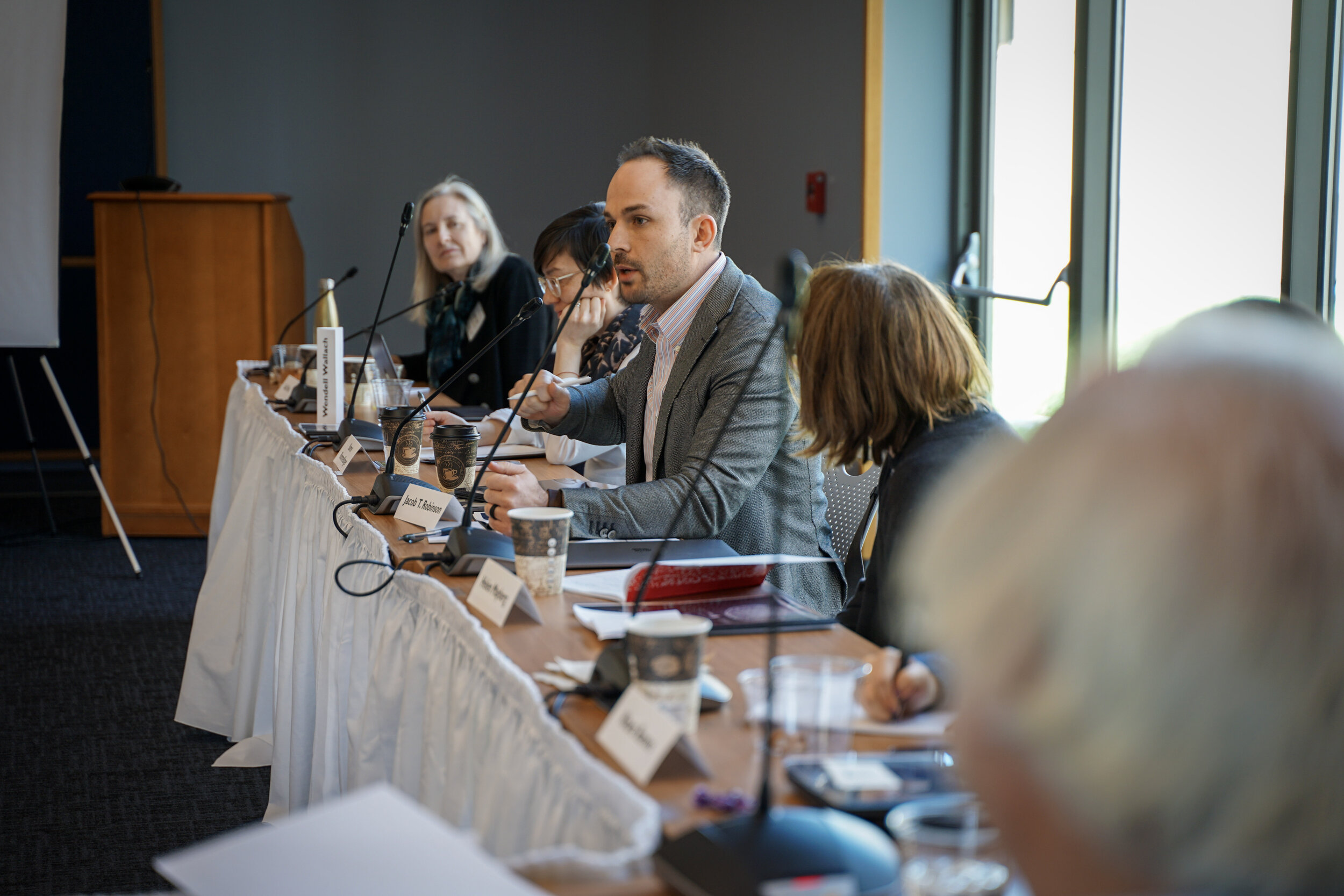
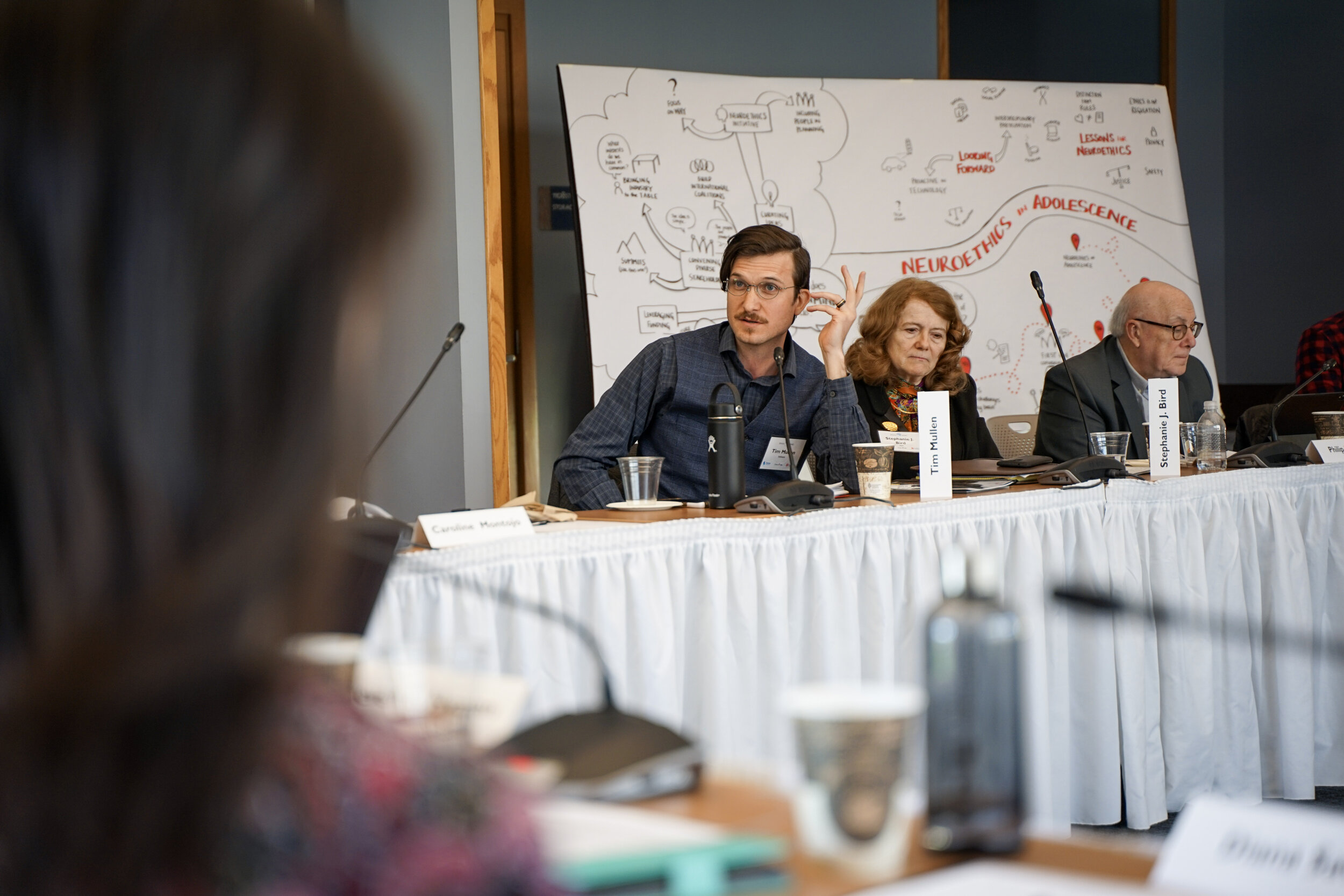
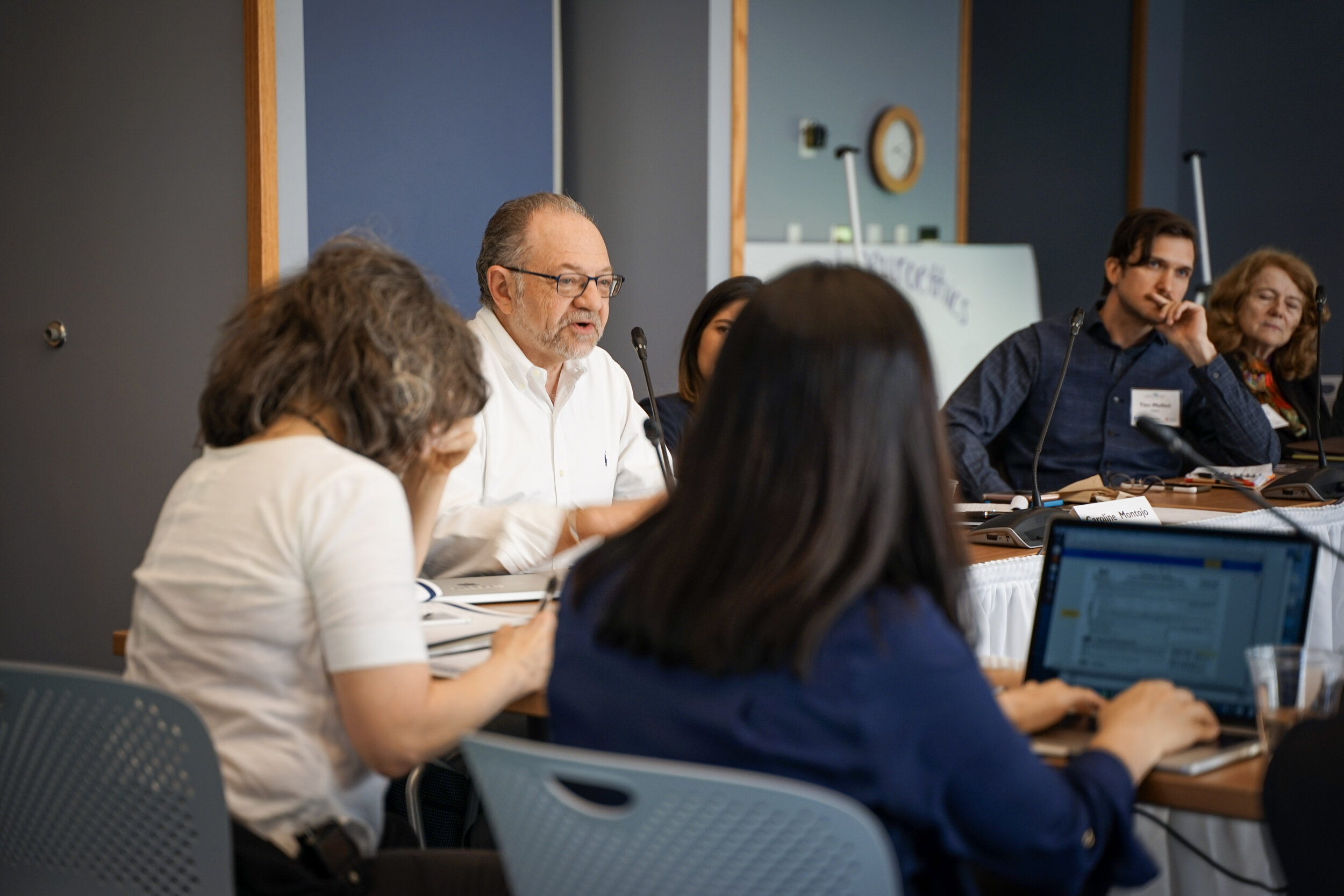
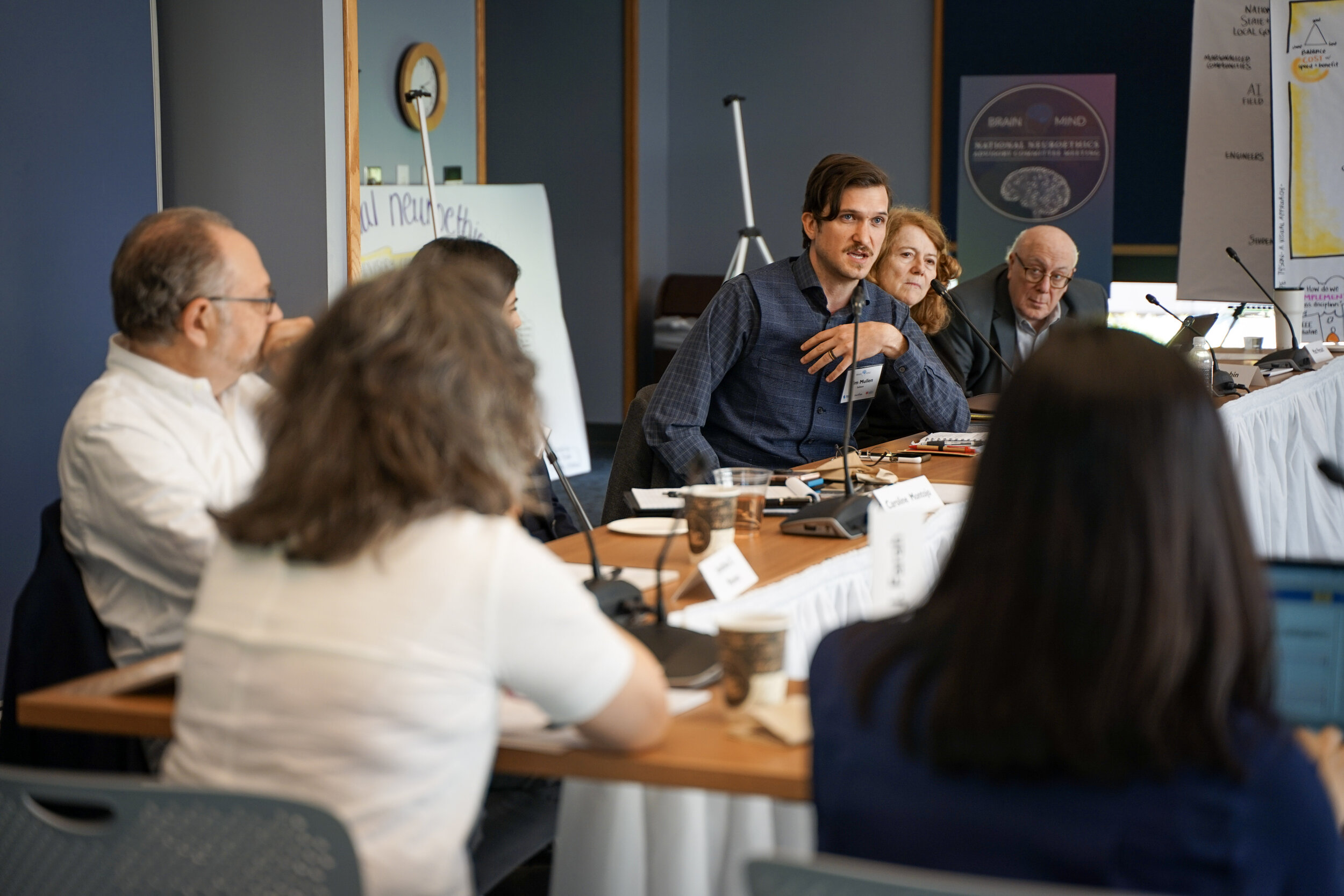
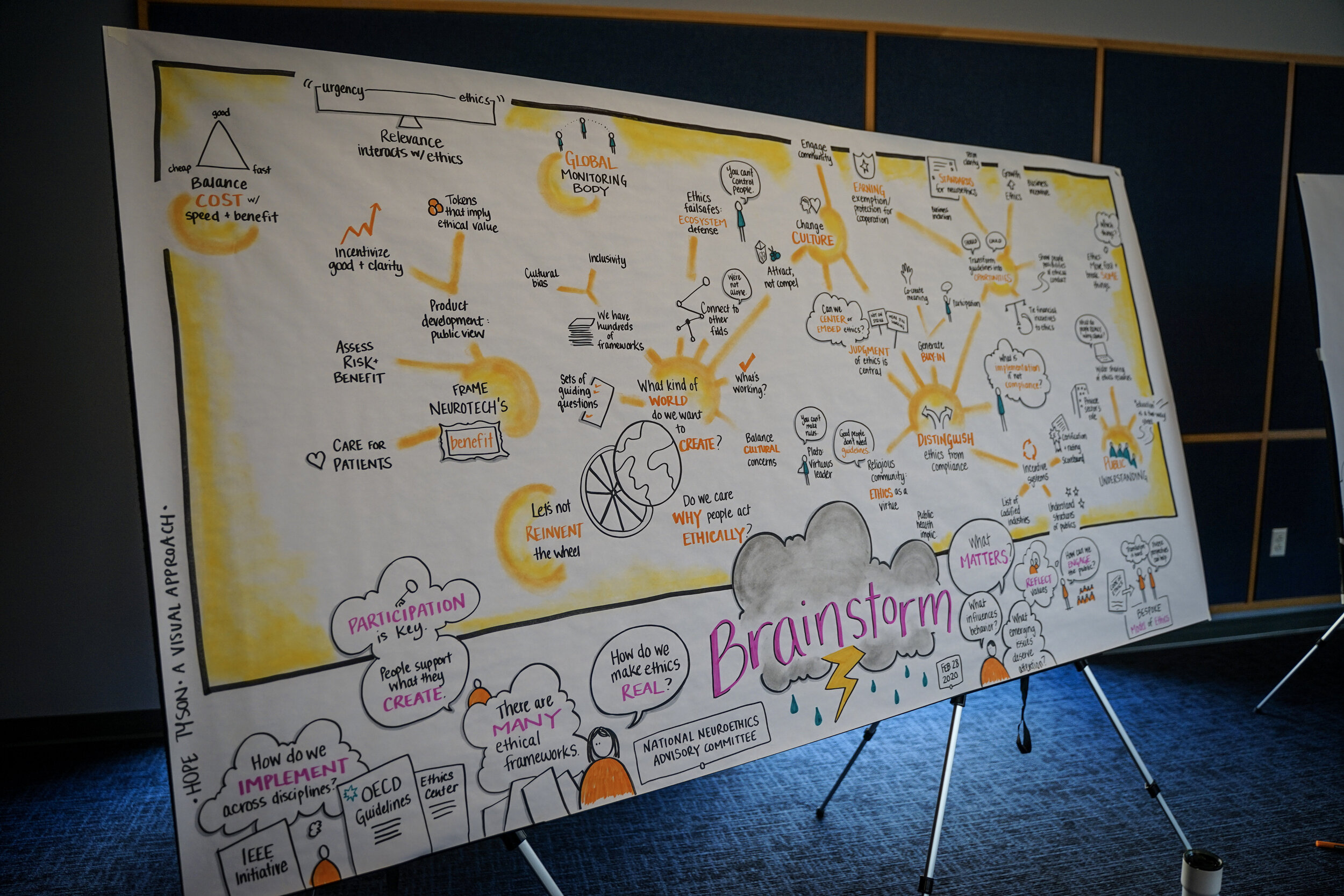
FIRST BRAINMIND NEUROETHICS ADVISORY COMMITTEE MEETING (2020)
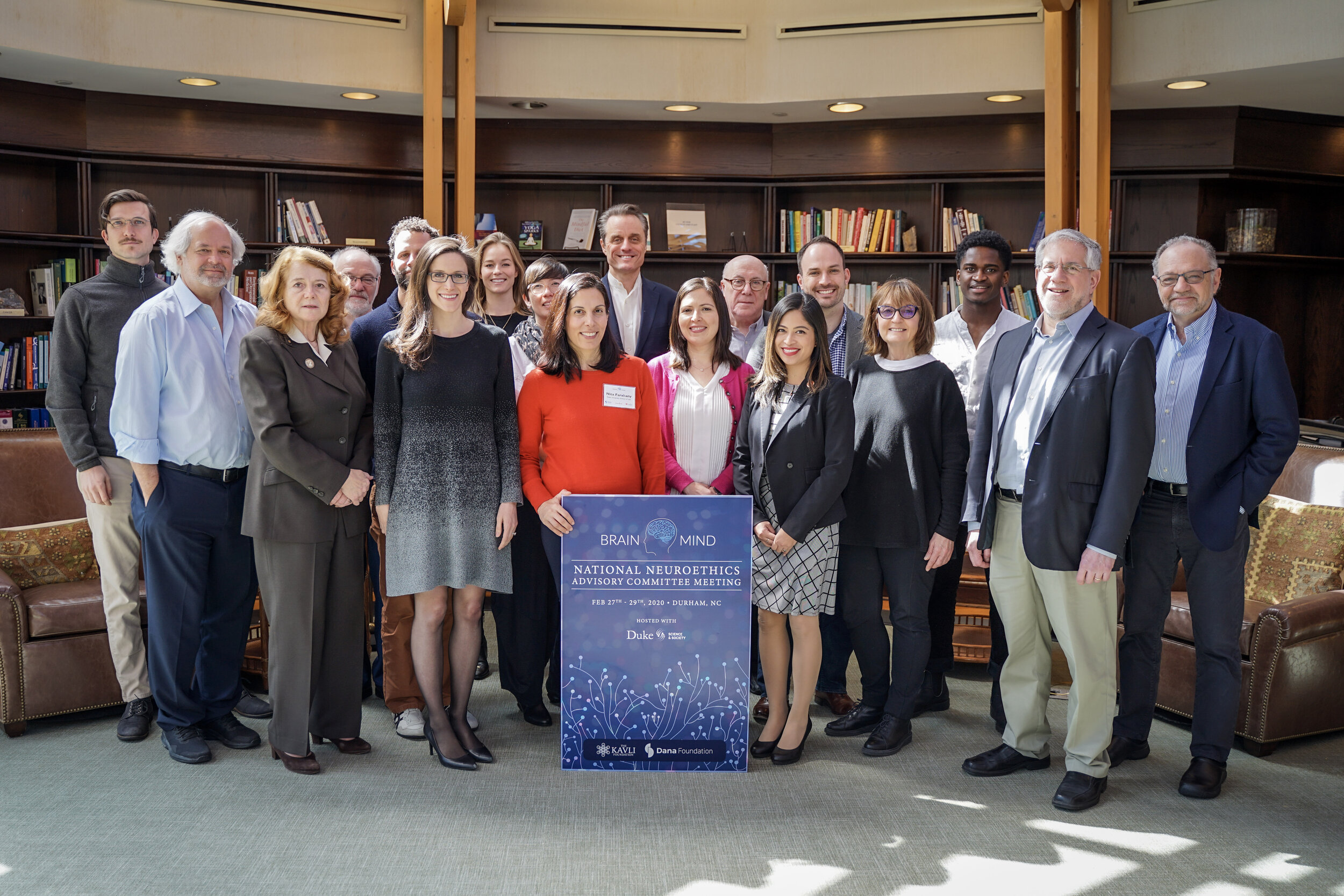
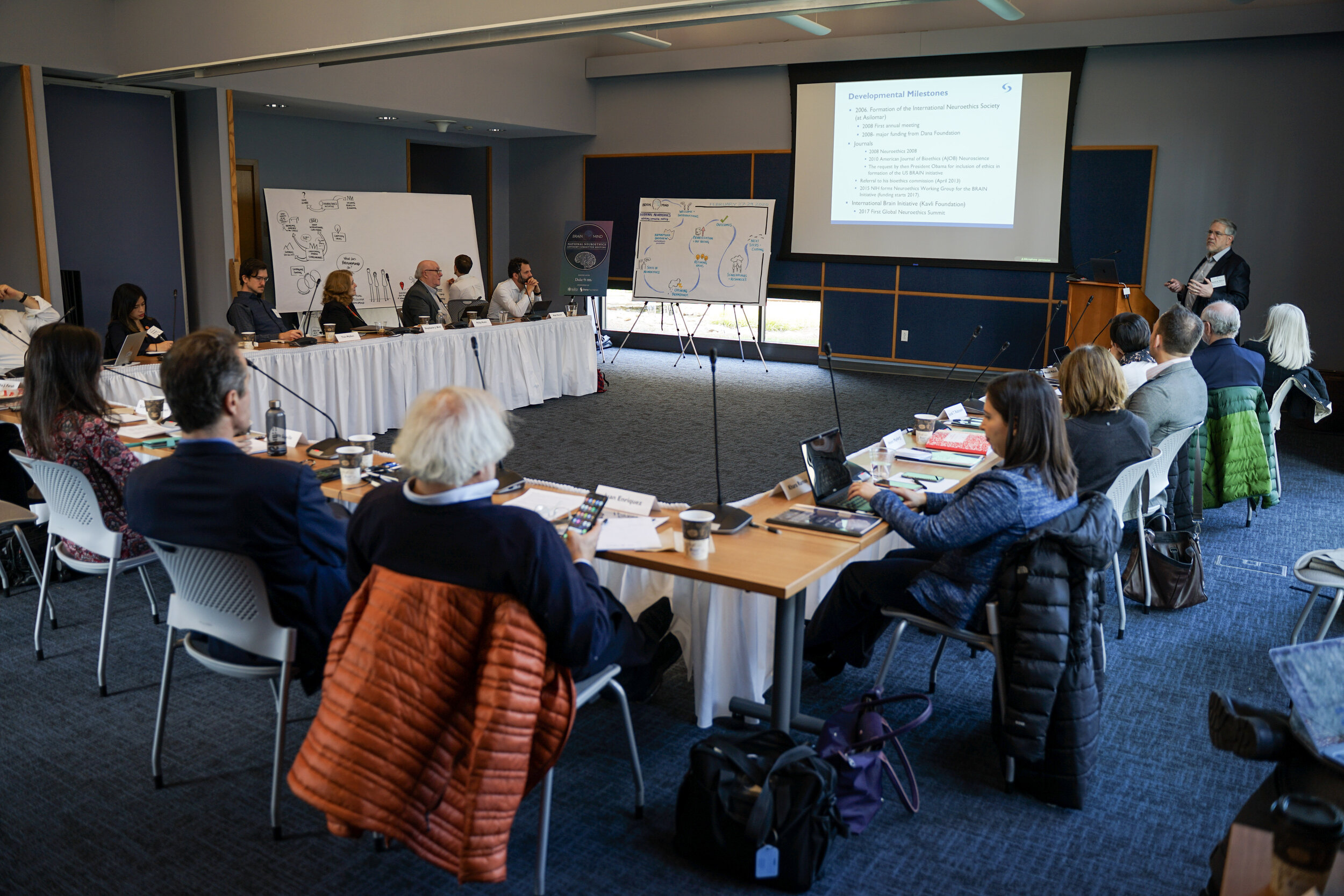
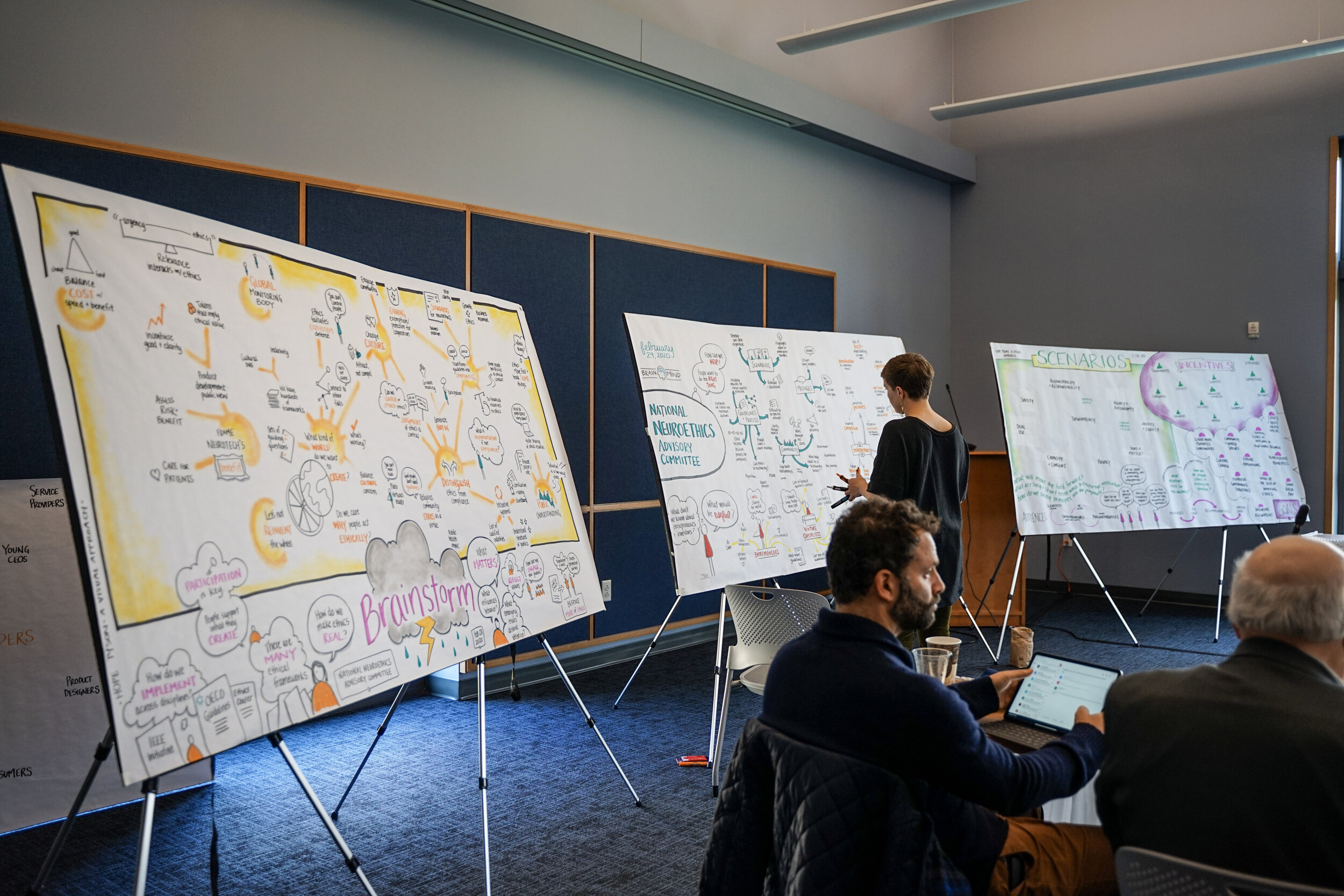
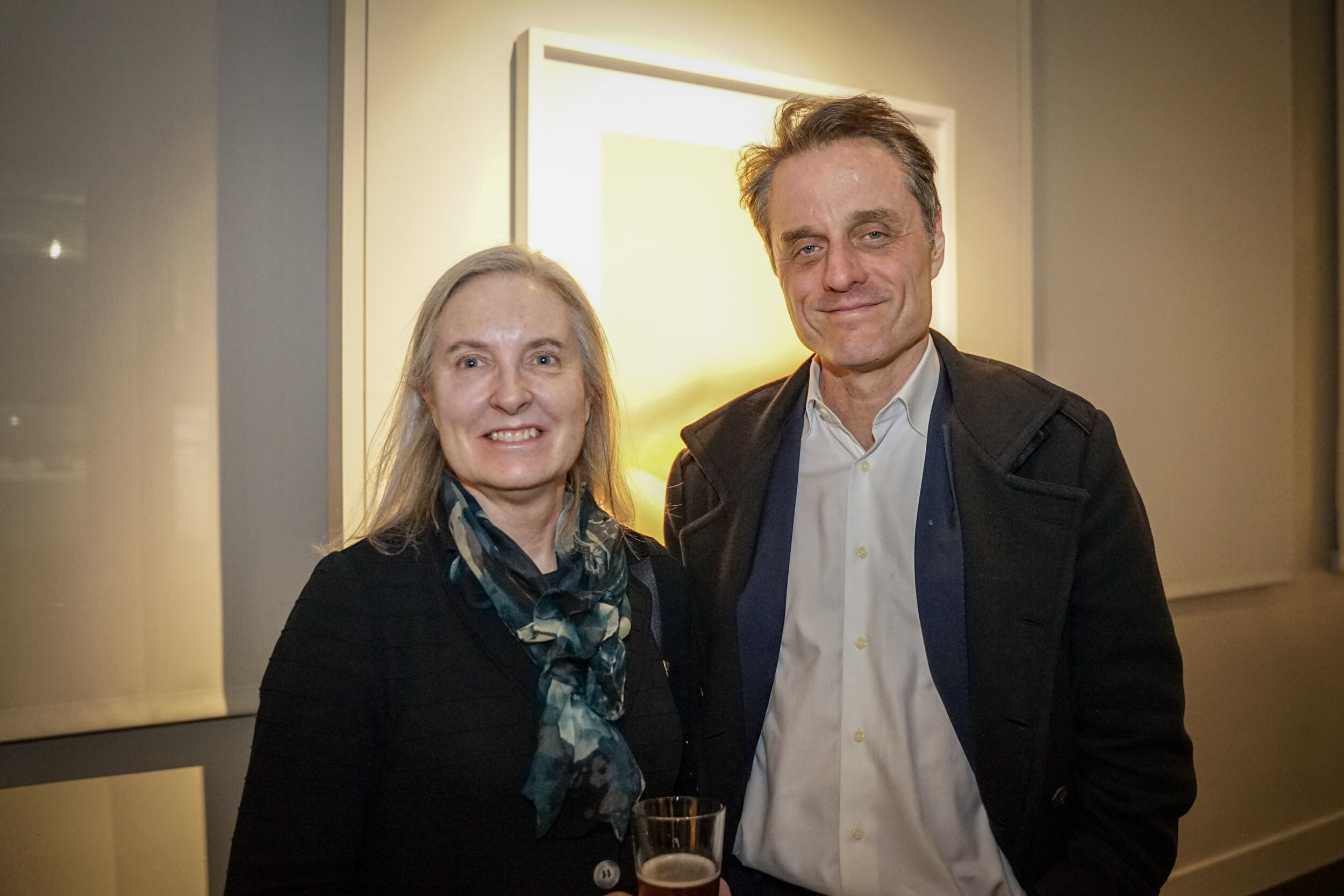
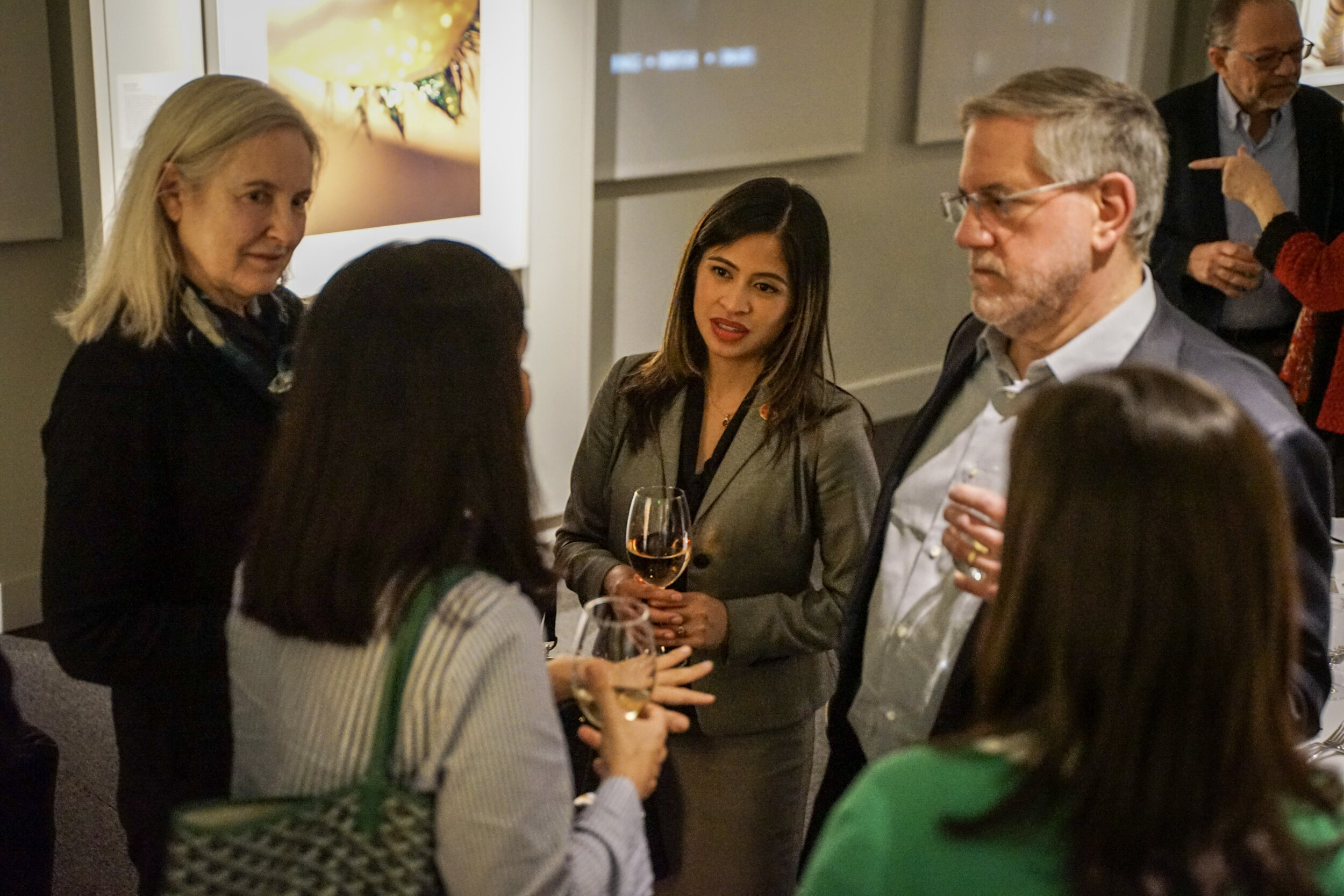
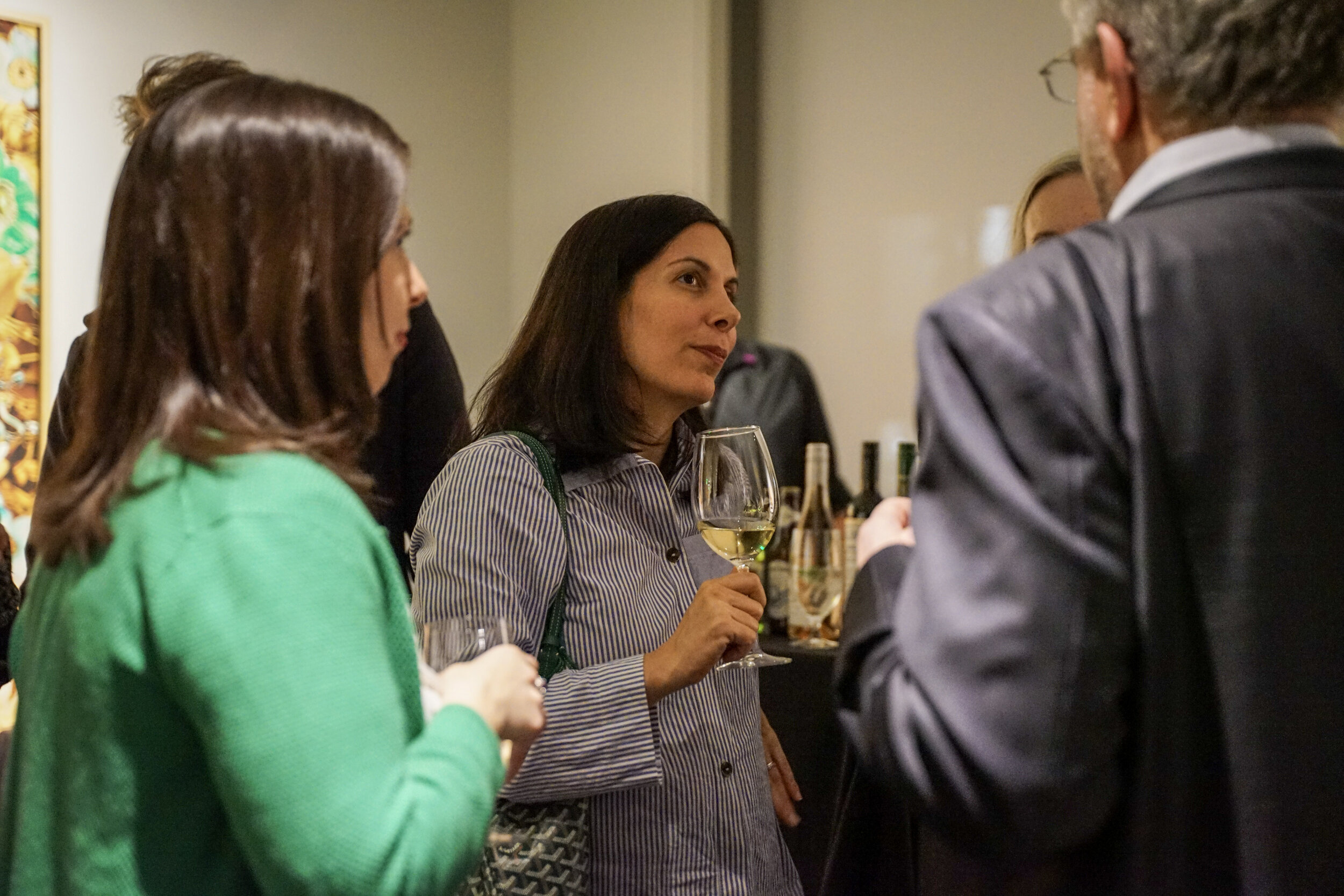
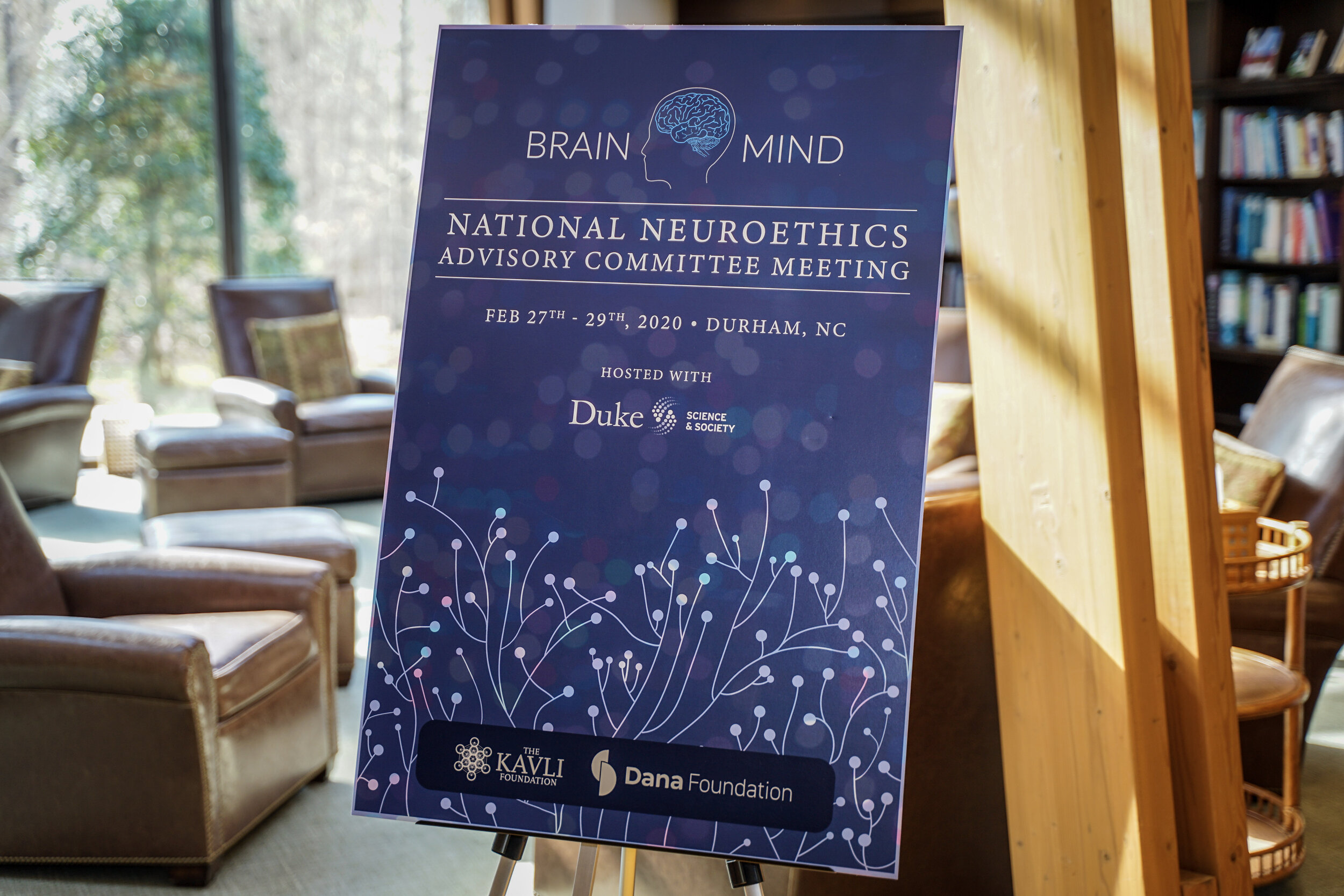
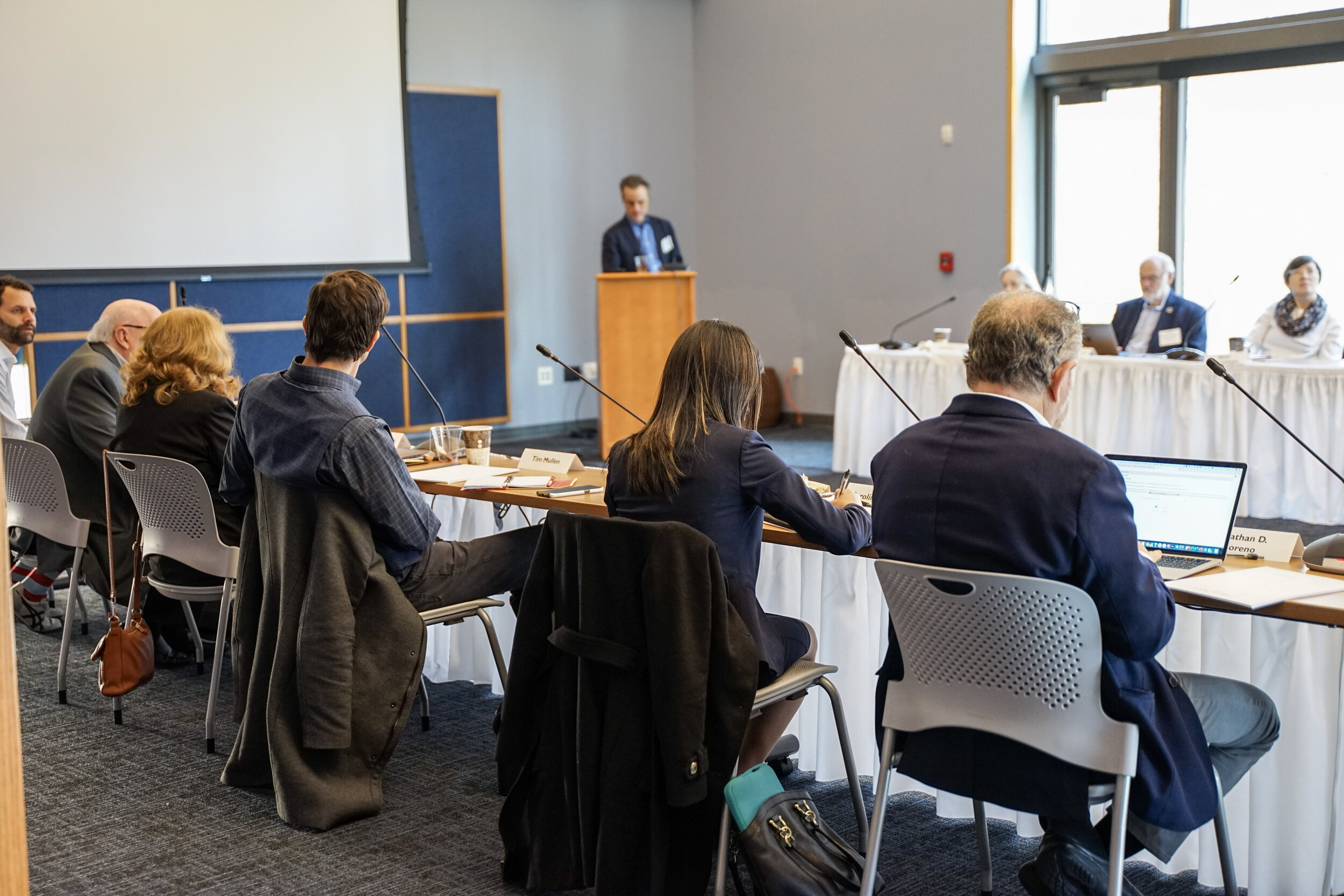
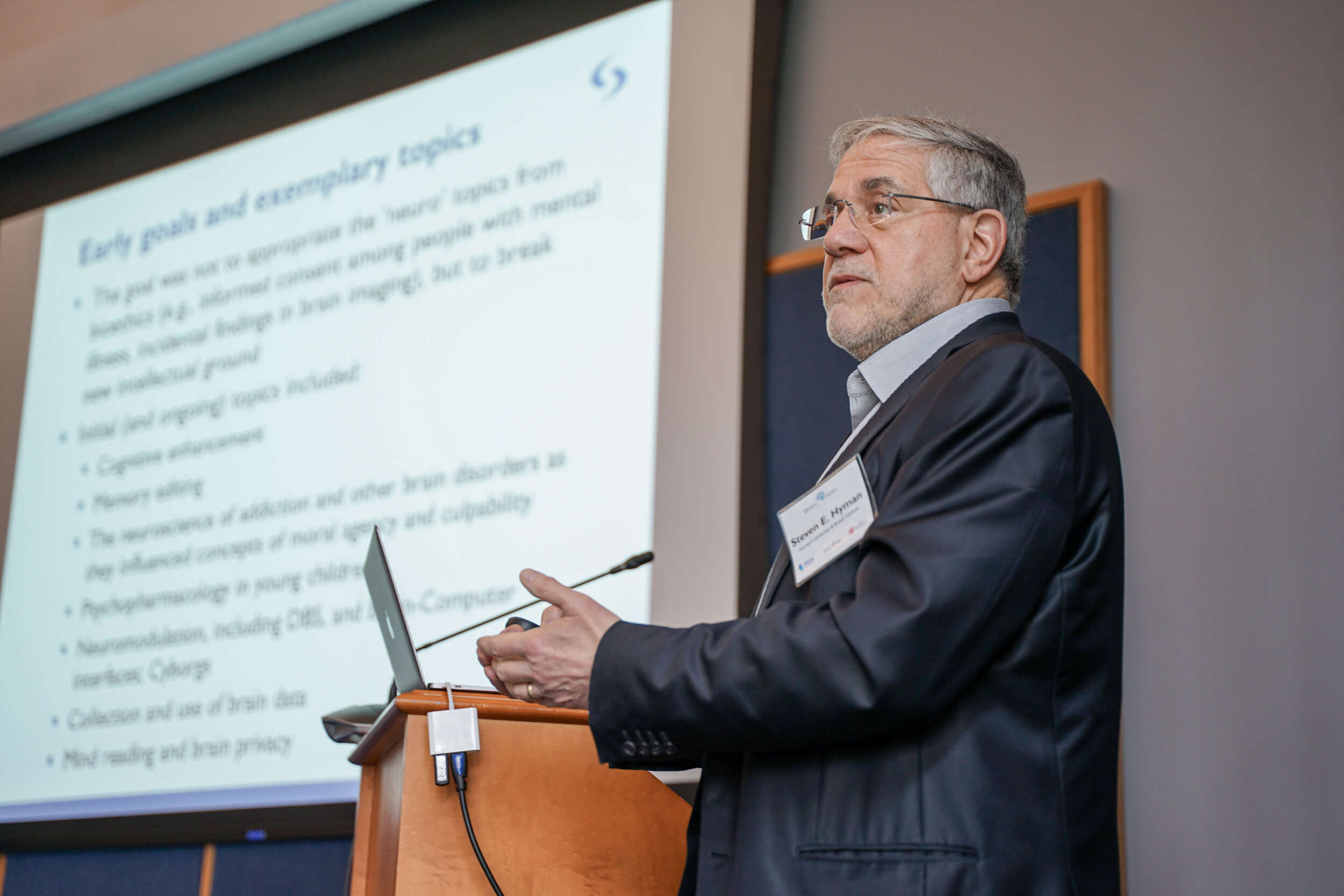
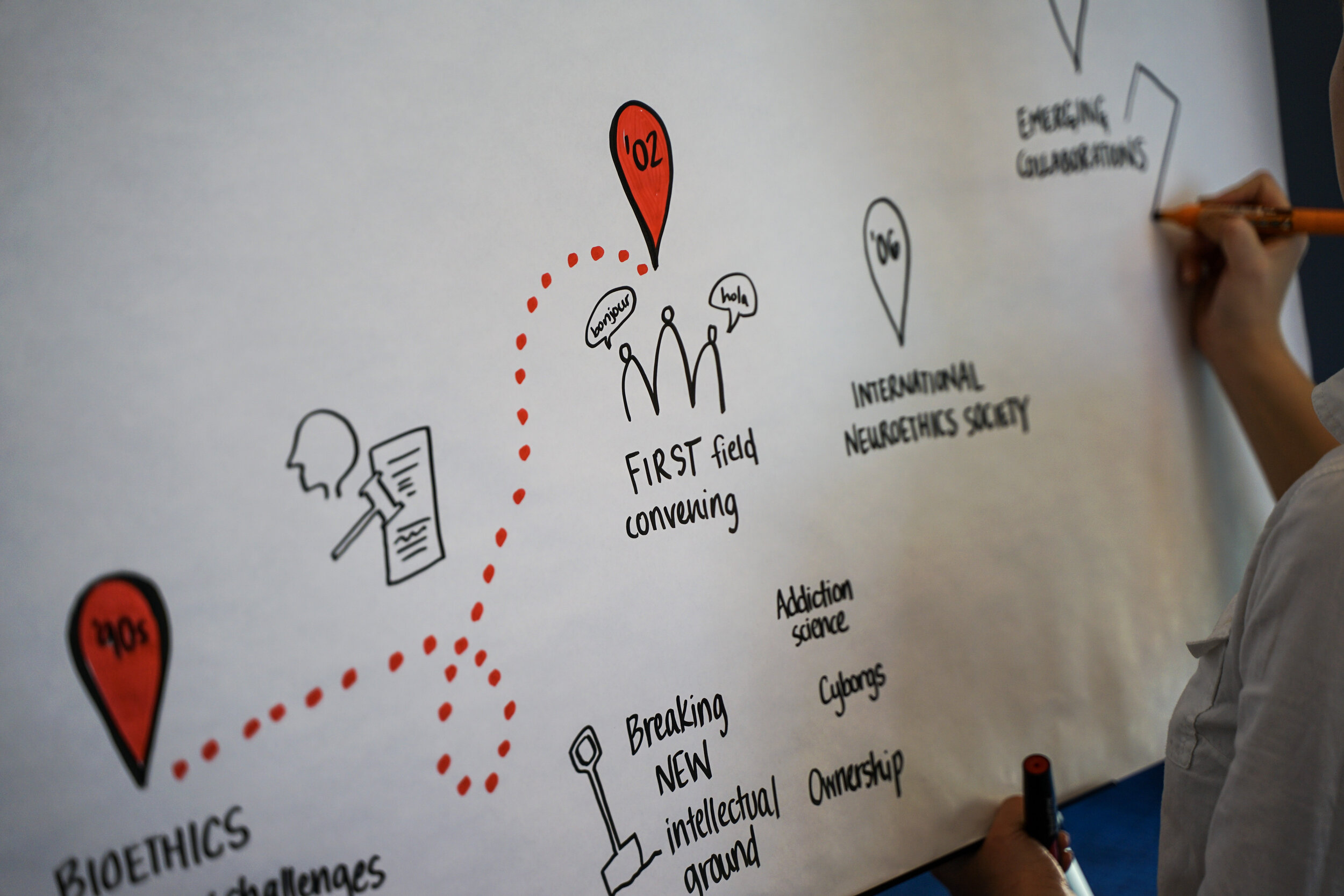
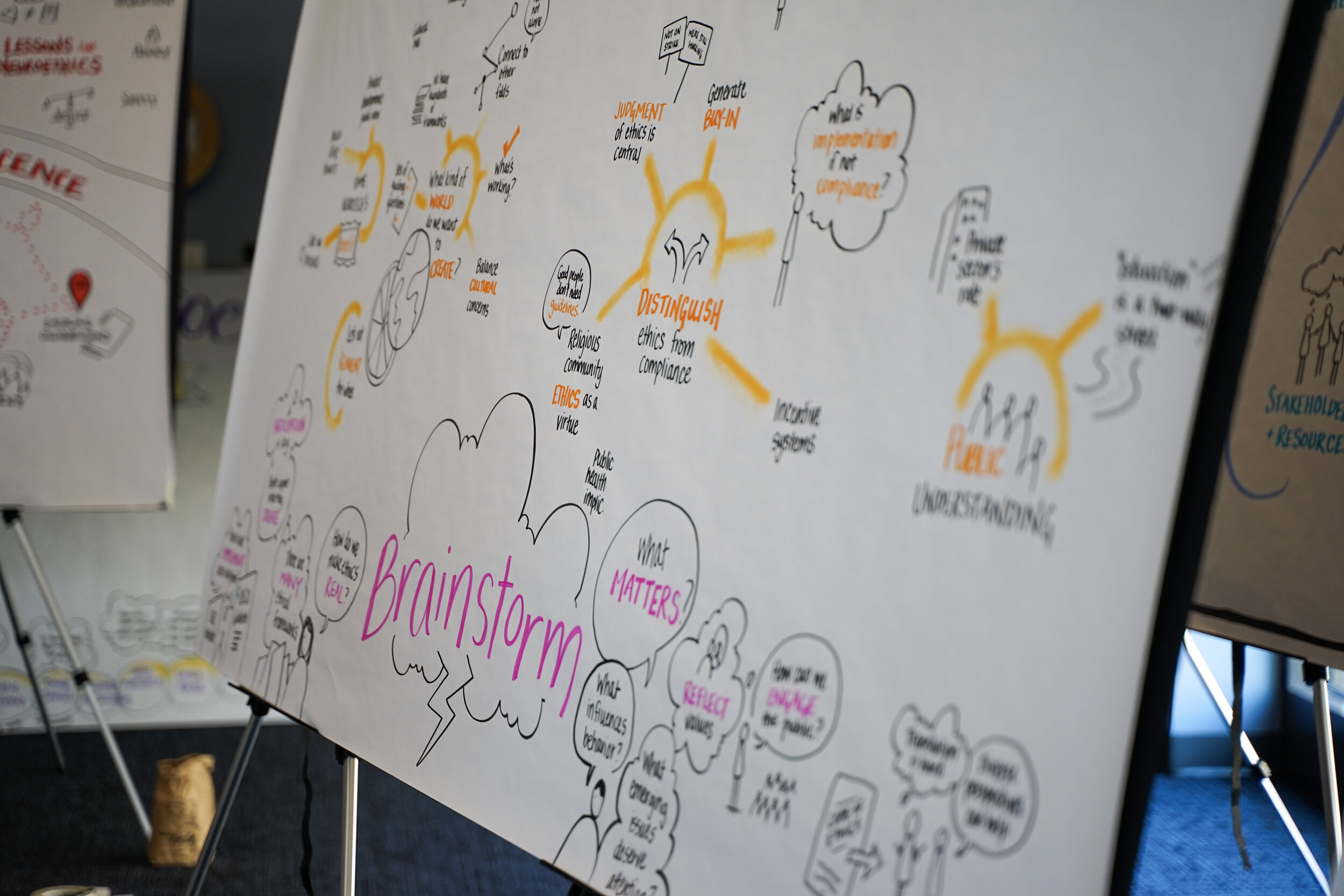
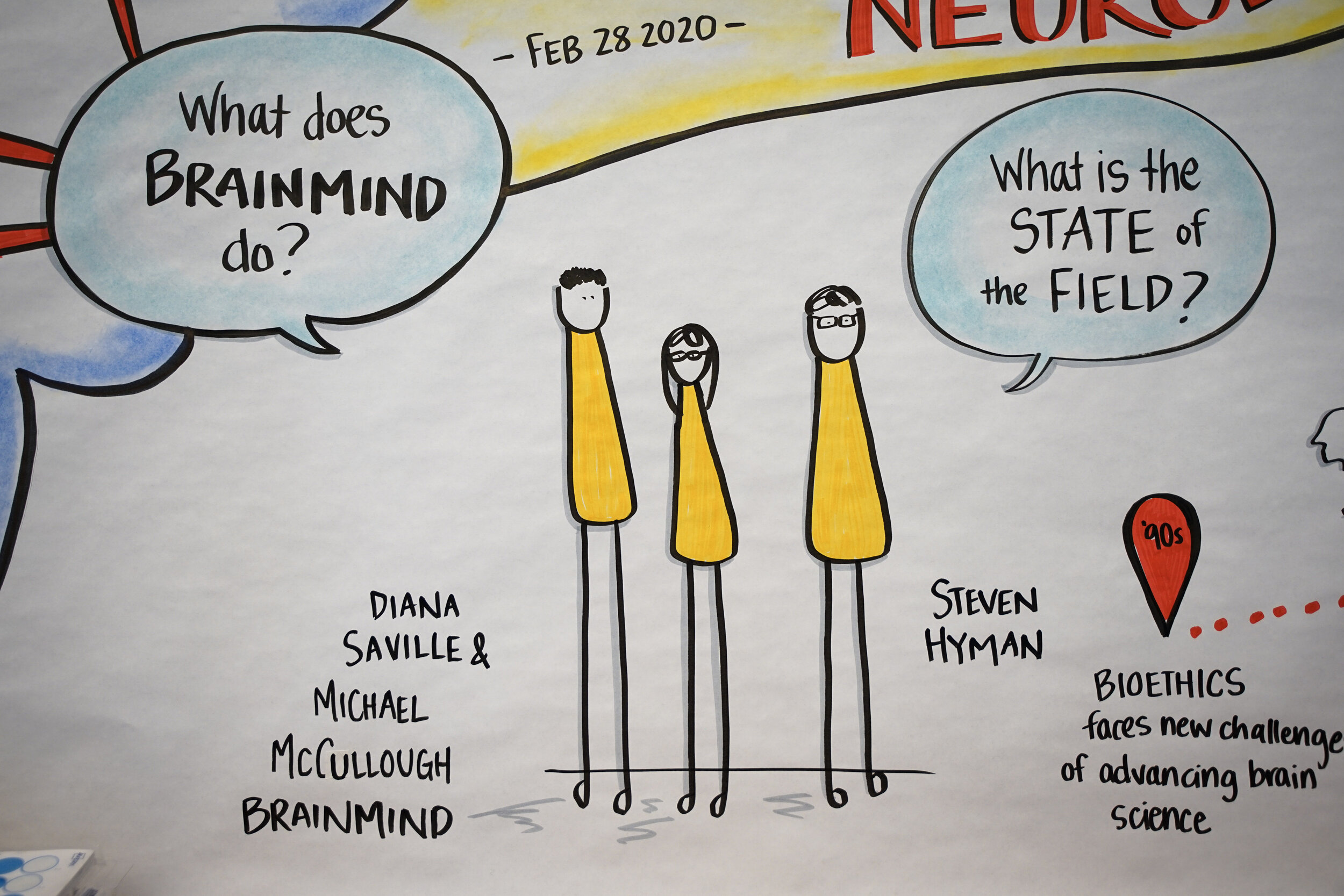
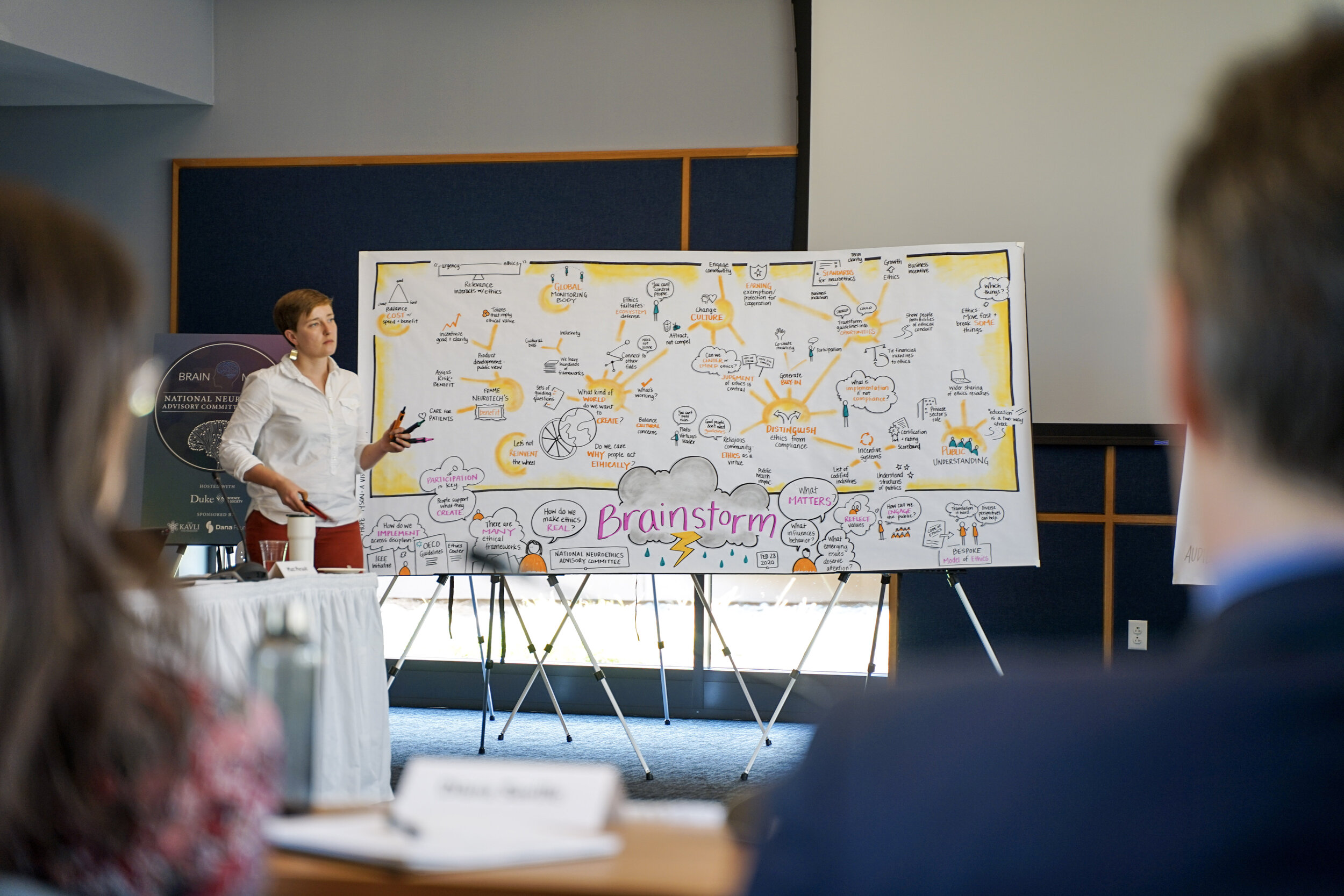
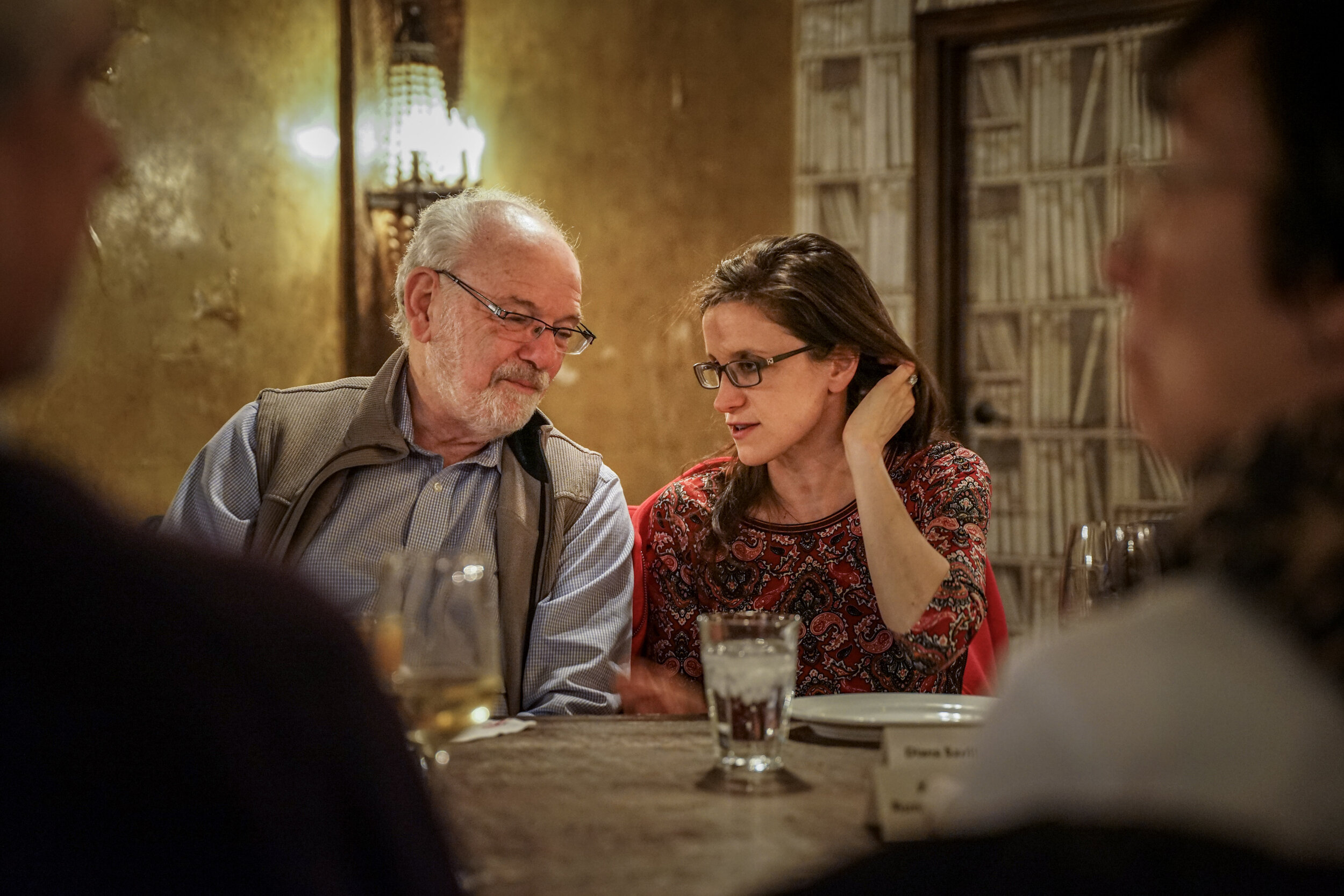
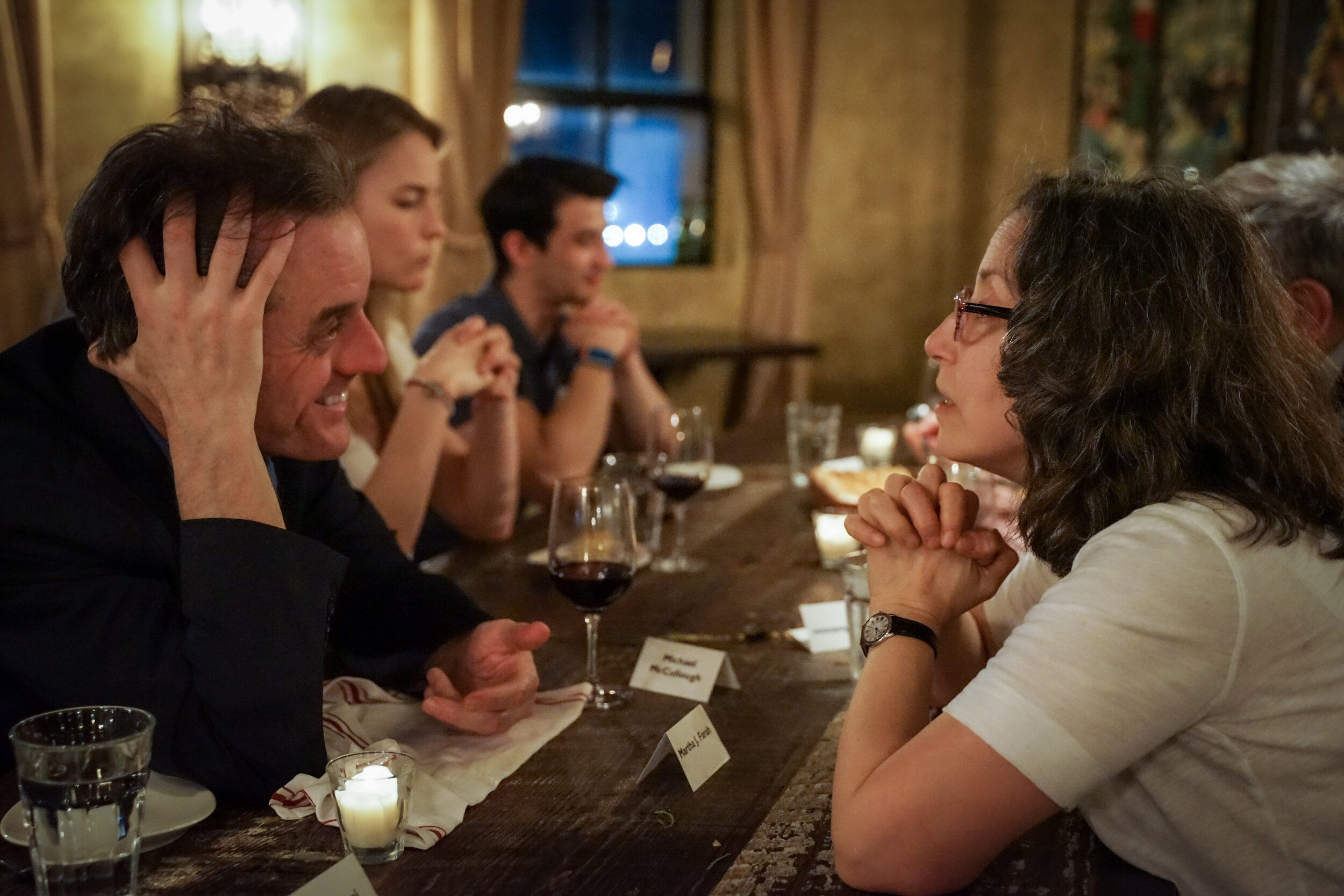
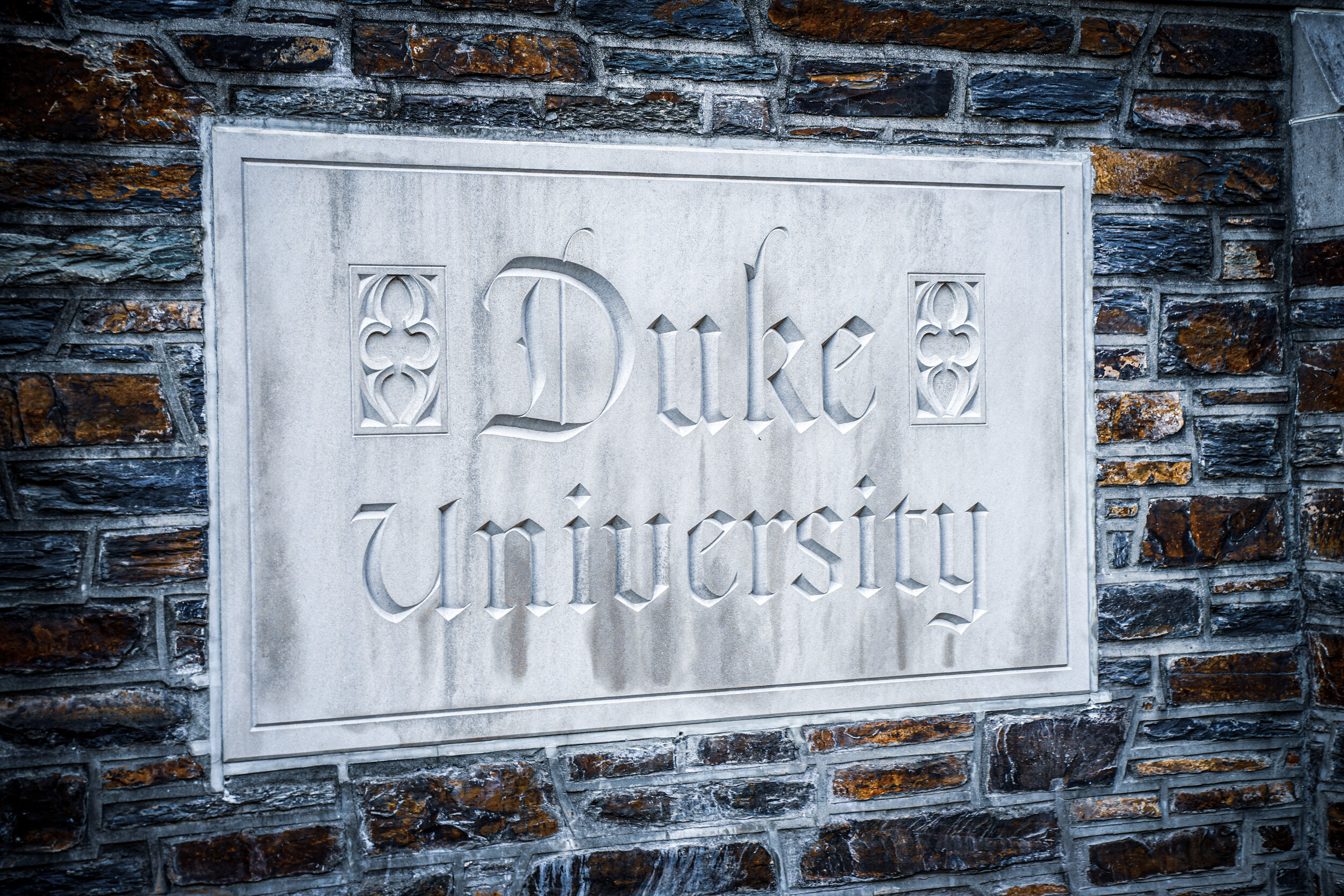
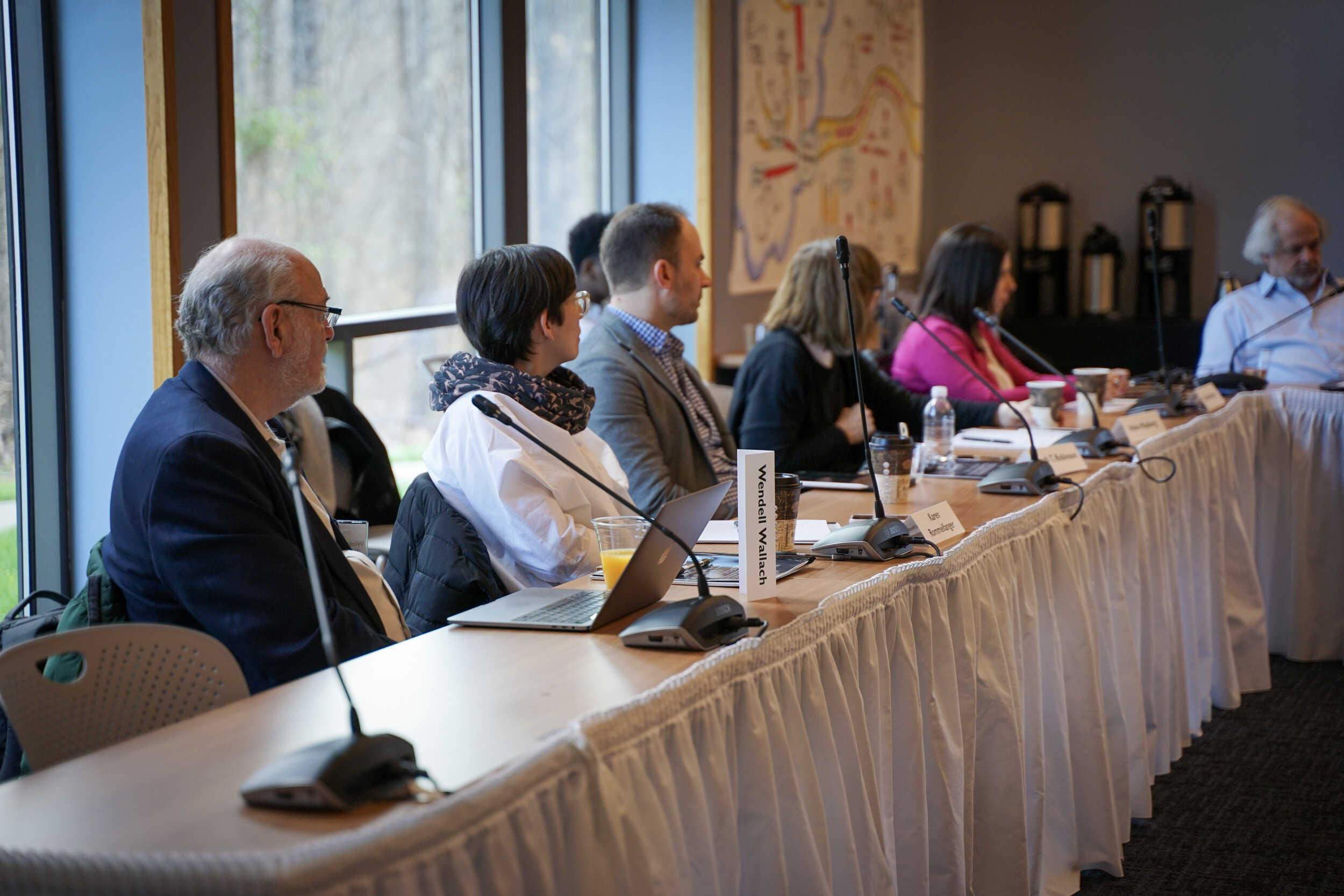
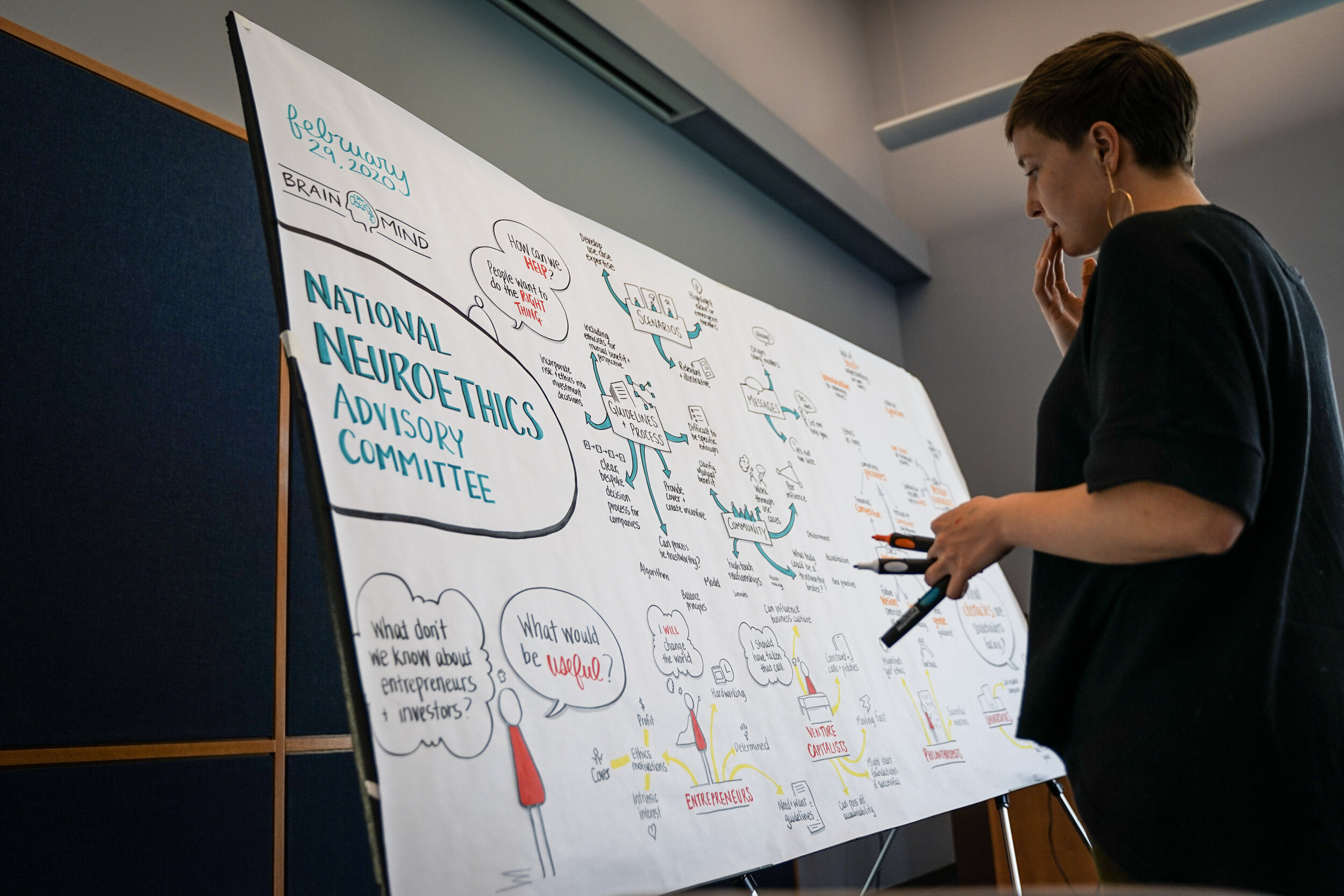
This meeting took place on Feb 27-29, 2020 in Durham, NC. The summit was chaired by Dr. Steven Hyman, co-hosted with Dr. Nita Farahany at the Duke Initiative for Science & Society, and was made possible by sponsorship from The Kavli Foundation and the Charles A. Dana Foundation.
A small group of interdisciplinary leaders anchored this important national advisory committee, which will help to set the agenda for the larger (tentatively 250 person) international, interdisciplinary summit to be convened at the Asilomar Conference Grounds in 2021. This effort differs from other neuroethics summits by engaging more deeply with representatives from the private sector, including entrepreneurs, investors, and executives from the technology and life science industries.
Participants in the first advisory committee meeting included leaders from the NIH/NINDS, the US BRAIN Initiative, the International Neuroethics Society, the International Brain Initiative, and the Institute of Electrical and Electronics Engineers (IEEE). It is particularly timely to formulate the role of neuroethics in the future of neurotechnology. The importance of such deliberations and the are highlighted by new investments in brain projects across the world, a burgeoning neurotechnology industry, and other fast-moving sources of innovation. It is a critical time for a diverse community to discuss areas in neuroscience in most in need of new intellectual energy and financial support, principles for interactions with industry, and other issues that will guide the development of this vibrant and influential field.