
VIP Registration - BrainMind Summit 2023 at UCSF

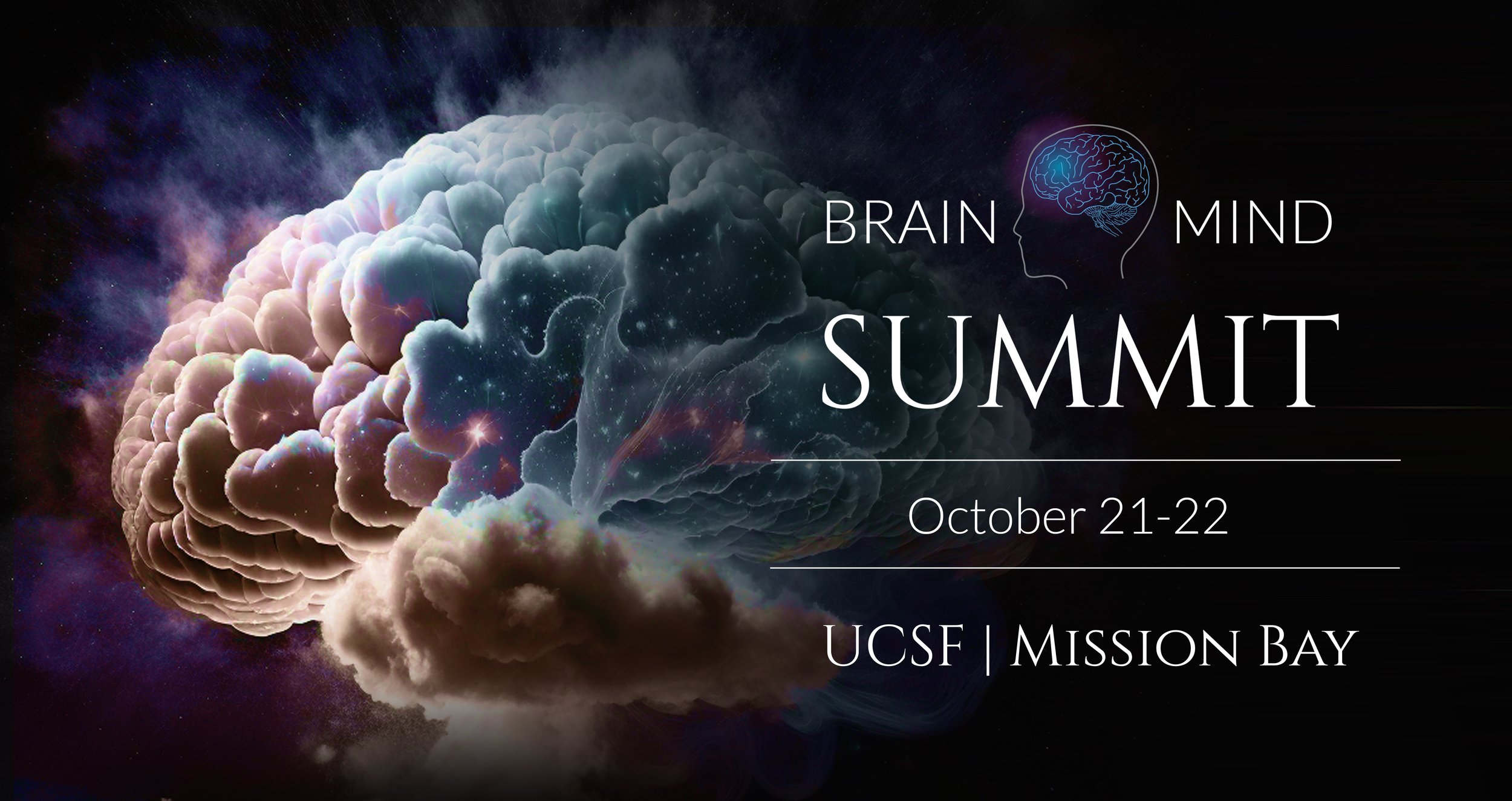

VIP Registration - BrainMind Summit 2023 at UCSF
BrainMind’s summits are meticulously curated gatherings that bring together select groups of visionaries, including top-tier investors, prolific philanthropists, trailblazing entrepreneurs, and groundbreaking researchers. We are all driven by a shared passion to unravel the mysteries of the human brain and harness this knowledge for the greater good.
Topics in 2023 will include AI + the Brain, Brain Longevity, BCIs, Brain Mapping, Neuromodulation, Brain + Food, Art, Exercise, Sleep, Flow States, Precision Psychiatry, Gut-Brain interactions, and more.
This year, we are adding a bonus Day of Dialog on Friday October 20th on the topic of Mind-Training in the Digital Era with leading scientists across mindfulness applications in health and wellness and the neural correlates of advanced states of consciousness.
As a VIP attendee, your VIP privileges include:
Priority access to our Friday evening VIP reception
Special access to themed meals on Saturday
Private post meal drinks event on Saturday evening
Priority for continued engagement in our exclusive salons throughout the year, fostering ongoing connections
Early access to future space limited BrainSummit events
The ability to nominate other Brainmind ecosystem members for accelerated screening
BrainMind is designed to be a self-supporting platform for the advancement of brain-oriented ideas to humanity. In the conference, scholarships are available in special circumstances. Please contact Diana Saville (dsaville@brainmind.org) if you would like to apply.
WHAT TO EXPECT
Awe-inspiring short talks from the world's top brain researchers and entrepreneurs
Opportunities to break bread with speakers in small group settings
A chance to discover and advise high-impact companies in the BrainMind space
Discussions on creating a roadmap for philanthropic ventures in brain science
Expert-led breakout discussions on topics like cognitive enhancement, longevity, human-machine symbiosis, motivation,sleep, and emerging neurotechnologies
Live neuroscience-inspired multisensory performances
A hands-on space to explore neurotechnology
Immersive art exhibitions exploring the theme of digital consciousness
BrainMind is a best-in-class community with a shared mission to advance neuroscience innovation that will most benefit humanity.
Back in full force in 2023, the BrainMind Summit is convening the most innovative and prolific scientists, entrepreneurs, operators, investors, leaders, thinkers and philanthropists.
As with the BrainMind Summits convened at Stanford and MIT, you will be invited to explore a curated collection of cutting-edge discoveries in neuroscience, engage with the scientists behind those ideas, and advise promising early-stage companies - all with the goal of bringing brain science to the world at scale.
Summit participants have been personally selected for their brilliance, effectiveness, sincerity, and intent. Each of you has the experience, talent, and resources to have a direct impact on the science presented.
HOSTS
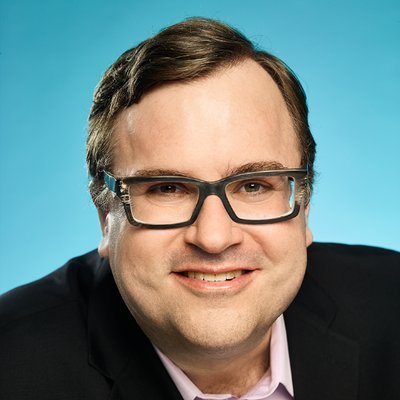
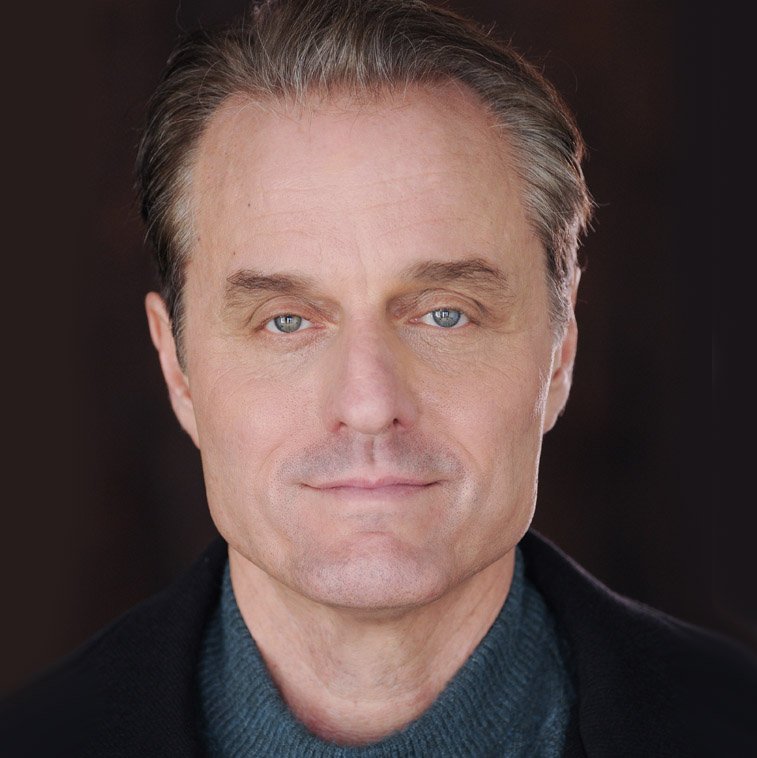
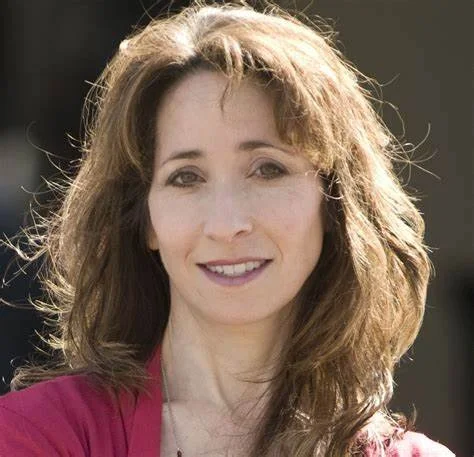
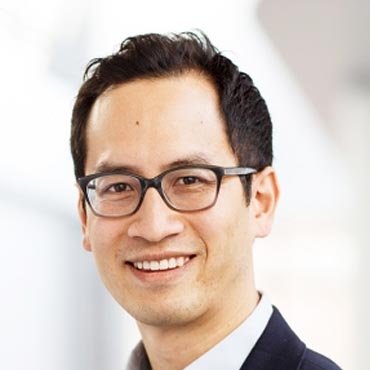
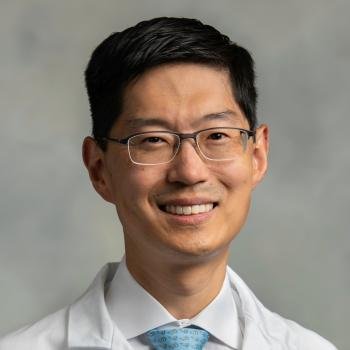
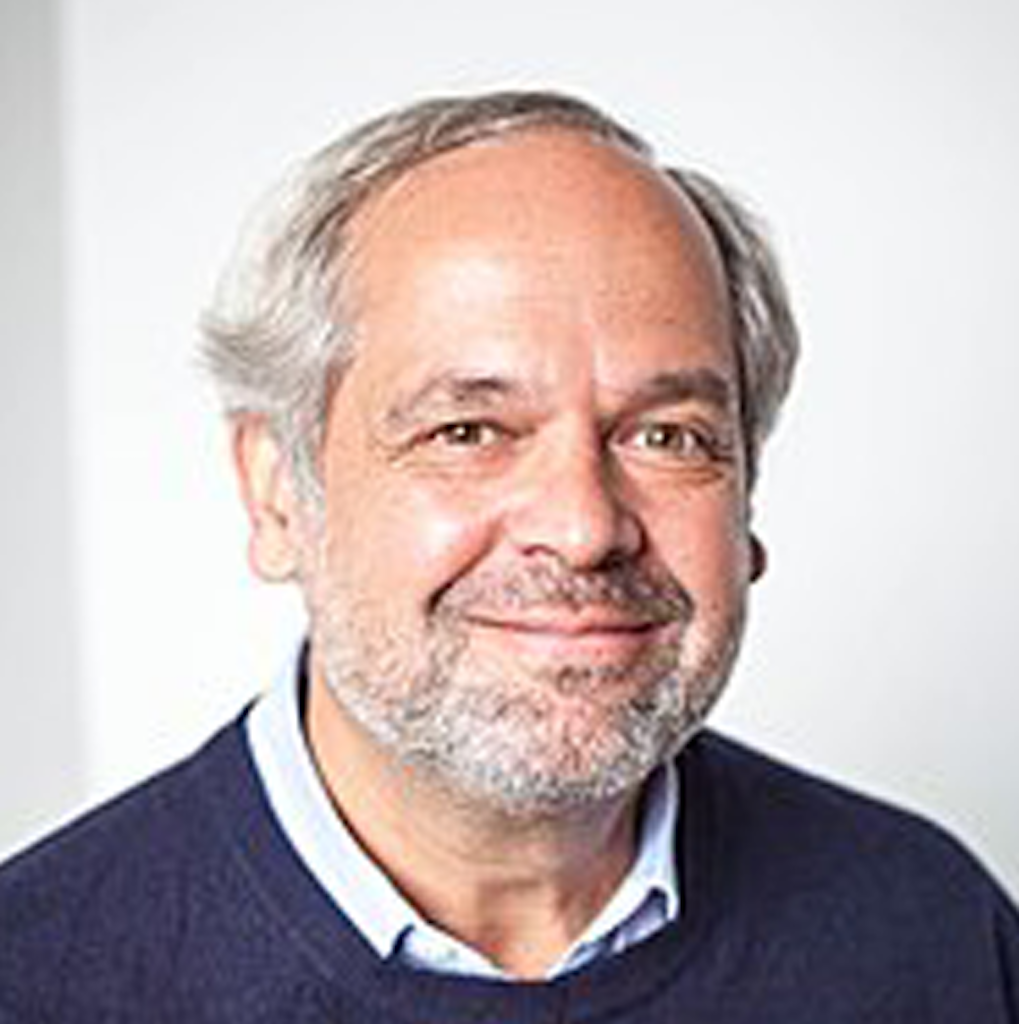
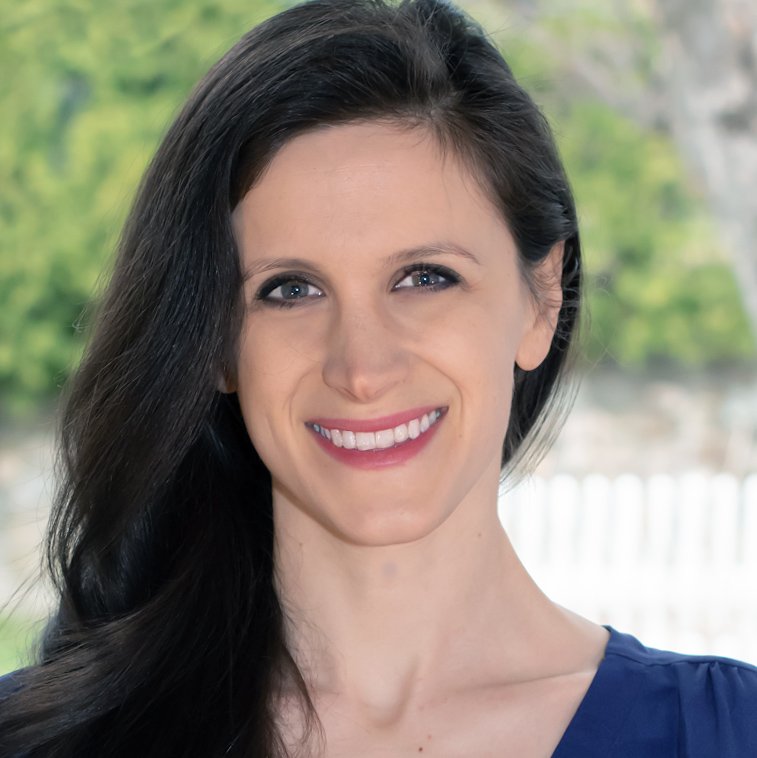
SPEAKERS
Speakers at the BrainMind Summit are chosen for their uniquely disruptive contributions to their respective fields. All speakers are available to engage with Summit participants. Speakers delivering mainstage talks will also be hosting intimate roundtable discussions over lunch and during the afternoon program.
BrainMind Summit 2023 Speakers

Reid is a Silicon Valley stalwart in the modern technology world. An accomplished entrepreneur and executive, he played an integral role in building many of today’s leading consumer technology businesses, including LinkedIn and PayPal. As an investor, he has been instrumental in the success of iconic companies such as Facebook and Airbnb and has helped fast-growing startups like Aurora and Convoy get to scale.
Beyond startups and technology, Reid has a wide range of interests, including politics, board games, science fiction, philosophy, and philanthropy. He serves on several not-for-profit boards, including Kiva, Endeavor, CZI Biohub, the Berggruen Institute, New America, the Stanford Institute for Human-Centered AI, and the MacArthur Foundation’s Lever for Change. Reid has received various awards for his philanthropic work, including an honorary CBE from the Queen of England and the Salute to Greatness Award from the Martin Luther King Center.
Reid Hoffman, Greylock
Future of AI, Scaling Social Impact

Elissa Epel, Ph.D, is a Professor and Vice Chair in the Department of Psychiatry, at University of California, San Francisco. She is an international expert on stress, well-being, and optimal aging and a best-selling author. She studies the environmental, psychological, behavioral, and social factors that impact cellular aging (such as telomeres, inflammation, and mitochondria), and is also focusing on climate wellness. She studies how self-care practices such as meditation and positive stress can promote psychological and physiological thriving and is interested in large-scale interventions for communal well-being and health equity. She co-wrote the New York Times best-seller “The Telomere Effect: A revolutionary approach to living younger, longer” with Nobel Laureate Elizabeth Blackburn (translated into 30 languages) and the new “Stress Prescription,” an independent bookstore best seller. She enjoys leading science-based meditation retreats. Epel is a member of the National Academy of Medicine, current President of the Academy of Behavioral Medicine Research, and co-chair of the Mind & Life Institute Steering Council. She has served as a consultant to NIH, CDC, Facebook, Apple, United Health, and UC campus-wide initiatives on stress and health. Epel’s research has been featured in venues such as TEDMED, Wisdom 2.0, NBC’s Today Show, CBS’s Morning Show, 60 minutes, National Public Radio, New York Times, Wall Street Journal, and science documentaries. In 2022, she was named as a highly cited researcher, among the top .1% of researchers globally (based on publication impact).
Elissa Epel, UCSF
Stress, Well-being, Optimal aging, Climate Wellness

Dr. Lim is the Chair of the Department of Neurosurgery and a board-certified neurosurgeon specializing in brain tumors and trigeminal neuralgia. Dr. Lim’s clinical interests include the treatment of benign and malignant brain tumors, with special interest in gliomas, meningiomas, metastatic tumors, and skull base tumors. Dr. Lim also specializes in surgical treatments for trigeminal neuralgia. During his time at Johns Hopkins, Dr. Lim built one of the largest brain tumor and trigeminal neuralgia practices and utilized the most advanced surgical technologies and techniques for his patients. As a passionate voice for patient experience, he has been recognized by his peers and patients for his integrity and compassionate care, including a Service Excellence Award from HealthNetwork Foundation. As a mentor, he has garnered numerous teaching awards, including being honored as an outstanding teacher by Johns Hopkins University School of Medicine. He is actively involved in shaping education for neurosurgery and oncology across the United States and around the world. Dr. Lim’s research interests focus on harnessing the immune system to fight cancer. His laboratory focuses on understanding mechanisms of immune evasion by cancer cells. He has successfully translated his findings from the laboratory to the clinics and has conducted and led several large national immunotherapy clinical trials for brain tumors.Dr. Lim is a world leader in immunotherapy for brain tumors. In addition to being invited world-wide to give lectures and seminars, he has given platform presentations on the topics of immunotherapy for brain tumors, neurosurgical techniques and management of brain tumors at the American Society of Clinical Oncologists, American Academy of Neurological Surgeons, Radiological Society of North America, Annual Symposium on Brain and Spine Metastases, Congress of Neurological Surgeons, and other meetings. In addition, he has served as platform chairman of the CNS session at the American Society for Clinical Oncology conference
Michael Lim, Stanford
Brain Tumors, Trigeminal Neuralgia, Immunotherapy

Dr. Edward Chang is a neurosurgeon who treats adults with difficult-to-control epilepsy, brain tumors, trigeminal neuralgia, hemifacial spasm and movemebt disorders. He specializes in advanced brain mapping methods to preserve crucial areas for speech and motor functions in the brain. He also has extensive experience with implantable devices that stimulate specific nerves to relieve seizure, movement, pain, and other disorders. Chang's research focuses on the brain mechanisms of speech, movement and human emotion. He co-directs the Center for Neural Engineering and Prostheses, a collaborative enterprise of UCSF and the University of California, Berkeley.
Eddie Chang, UCSF
Brain Mapping, AI + BCIs, Epilepsy, Movement Disorders

Ivy Ross is an American business executive and jewelry designer. Ross’s metal work in jewelry design is in the permanent collections of 12 international museums, including the Smithsonian in Washington D.C.. Ross is the vice president of hardware design at Google. Ivy and her team created the design language for the Google hardware products that launched in 2017, winning over 240 design awards over the last three years. Business Insider recently named her one of the 15 Most Powerful Women at Google. One of few recognized fine artists to successfully crossover into the business world, Ross is also a keynote speaker, a member of several boards, and has been hailed as a “creative visionary” by the art world.
Ivy draws on her background in wide-ranging fields including sound therapy, quantum physics, psychology, and play. One of her most notable innovations is Project Platypus, an experimental design initiative where a core team develops a new brand in an enriched environment over three months; the model has been adopted by Mattel (where she was formerly head of innovation) and Procter & Gamble (on whose design board she served). She also served on the Vatican’s Arts and Technology Commission and judged the 2017 Spark Design Awards, the 2018 Core 77 awards, Dezeen Design Awards 2020, Frame Design Awards 2020, Design Leader of the Year Awards 2020, and the Fast Company Design Awards.
Ivy Ross, Google
Incorporating Neuroscience in Design, Sustainable Innovation

Dr. Shawn Hervey-Jumper is a neurosurgeon with subspecialty focus on neuro-oncology. As an adult neurosurgeon and researcher his clinical efforts are focused on the surgical management of patients with intrinsic brain tumors such as glioma and brain metastasis within deep seated and functional regions of the brain responsible for language, motor, and cognition. His clinical practice also includes management of patients with meningiomas, and skull base brain tumors. Dr. Hervey-Jumper serves as Co-Director of the Sheri Sobrato Brisson Brain Cancer Survivorship Program which offers neurosurgery, neuro-oncology, physical medicine and rehabilitation, neuropsychology, and speech pathology multidisciplinary services to adult brain tumor patients.
Shawn Hervey-Jumper, UCSF
Neuro-Oncology, Awake Craniotomy, Intrinsic Brain Tumors

Jim Kwik, his real name, is a widely recognized world expert in brain performance, mental fitness and memory improvement. After a childhood brain injury left him with learning challenges, Kwik created strategies to dramatically enhance his cognitive performance. He has since dedicated his life to helping others unleash their true genius and brainpower. He is Founder of Kwik Learning, the premiere online accelerated learning academy with students in 195 countries. His clients include Google, Virgin, Nike, Zappos, WordPress, Cleveland Clinic, U.S. Airforce, Caltech, Harvard and Singularity University. Kwik is the author of the NY Times and #1 WSJ bestseller: “Limitless - Upgrade Your Brain, Learn Anything Faster, Unlock Your Exceptional Life.” He is the host of the acclaimed “Kwik Brain” podcast, which is consistently the top educational training show on iTunes with tens of millions of downloads. His mission: No brain left behind.
Jim Kwik, Kwik Brain Universe
Brain Optimization, Mental Performance, Power of Mind

Susan is an accomplished learning expert and program architect. With over 35 years experience in developing effective learning programs rooted in the science of learning, Susan is an active member of the brain sciences research, arts, education and social impact communities. She currently serves as Executive Director of the International Arts and Mind Lab at the Brain Science Institute at Johns Hopkins University. She is also the senior advisor to the Science of Learning Institute at Johns Hopkins University. Susan’s approach to creating effective translational models combine interdisciplinary, evidence-based research with practical, applicable ideas and programs. She brings together scientists, educators, families, psychologists, advocates, policymakers, educational media, technologists, and others to share their perspectives and expertise on education, family life, and other topics. This work has resulted in successful impact-based work.
Susan Magsamen, Johns Hopkins
Translational Models, Neuro-Aesthetics, Mind and Art

Elaine is an Associate Professor at UCLA, where she is interested in all things microbial, neural and immune. She completed her B.S. in Microbiology, Immunology and Molecular Genetics at UCLA, which sparked her love for molecular biology and bacteria. She went on to complete her Ph.D. in Neurobiology at Caltech, where she studied the neurobiological bases of autism and schizophrenia, with a focus on maternal effects on fetal development, and neuroimmune and microbial contributions to behavioral disorders. Inspired by the amazing and complex interactions between body systems, the Hsiao laboratory is investigating how “peripheral” changes in the immune system and resident microbiota impact the nervous system.
Despite findings supporting a “microbiome-gut-brain axis”, the molecular and cellular mechanisms that underlie interactions between the gut microbiota and brain remain poorly understood. To uncover these, the Hsiao laboratory is mining the human microbiota for microbial modulators of host neuroactive molecules, investigating the impact of microbiota-immune system interactions on neurodevelopment and examining the microbiome as an interface between gene-environment interactions in neurological diseases. They aim to dissect biological circuits for communication between the gut microbiota and nervous system, toward understanding fundamental biological pathways that influence brain and behavior.
Elaine Hsiao, UCLA
Microbiome-Gut-Brain Axis, Neuroimmunology

Jaimie Henderson, M.D. is director of the Stanford program in Stereotactic and Functional Neurosurgery and the Stanford Neural Prosthetics Translational Laboratory (NPTL). His research interests encompass several areas of stereotactic and functional neurosurgery, including frameless stereotactic approaches for therapy delivery to deep brain nuclei; mechanisms of action of deep brain stimulation; cortical physiology and its relationship to normal and pathological movement; neural prostheses; and the development of novel neuromodulatory techniques for the treatment of neurological diseases.
During his residency in the early 1990’s, Dr. Henderson was intimately involved with the development of the new field of image-guided surgery. This innovative technology has revolutionized the practice of neurosurgery, allowing for safer and more effective operations with reduced operating time. Dr. Henderson remains one of the world’s foremost experts on the application of image-guided surgical techniques to functional neurosurgical procedures such as the placement of deep brain stimulators for movement disorders, epilepsy, pain, and psychiatric diseases. His work with NPTL focuses on the creation of clinically viable interfaces between the human brain and prosthetic devices to assist people with severe neurological disability.
Jaimie Henderson, Stanford
Neural Prosthetics, Stereotactic and Functional Neurosurgery

Dr. Mason is an Associate Professor of Psychiatry in Residence, Core Research Faculty at the Osher Center for Integrative Health, and Licensed Clinical Psychologist. She directs the Sleep, Eating and Affect (SEA) laboratory at the UCSF Osher Center for Integrative Health, and co-directs the UCSF Center for Obesity Assessment, Study, and Treatment (COAST) at the UCSF Center for Health and Community. Dr. Mason earned a master's degree and a doctorate in clinical psychology from The University of Arizona; completed a predoctoral clinical internship at the Veterans Affairs Palo Alto Health Care System; and then completed a National Institutes of Health (NIH)-funded T32 postdoctoral fellowship at the UCSF Osher Center for Integrative Health (Training in Research in Integrative Medicine; TRIM) prior to joining UCSF as Faculty in 2016.
Dr. Mason is funded by the NIH, US Department of Defense (DOD), and philanthropic organizations. Dr. Mason's research program broadly focuses on developing mind-body, non-pharmacological treatments for mental health disorders. Dr. Mason is currently conducting and involved in several research trials at UCSF and other universities. Among these trials is Dr. Mason's clinical trial at UCSF that focuses on developing a mind-body intervention for the treatment of major depressive disorder; this treatment combines psychotherapy with whole-body hyperthermia (sauna-style treatments). Dr. Mason also focuses on developing assessment and non-pharmacological treatments for stress-induced and reward-based eating, in particular among individuals with Type 2 Diabetes and overweight or obesity. During the COVID-19 pandemic, Dr. Mason conducted DOD-funded research with more than 65,000 people worldwide to assess the potential of off-the-shelf wearable devices to detect COVID-19 symptoms. Dr. Mason is now leveraging this large dataset to develop algorithms (using the wearables-collected physiological data) to detect depression, anxiety, and post-traumatic stress symptoms. Dr. Mason spends the vast majority of her time conducing this research, however, she also treats patients with intractable insomnia in the UCSF Osher Center Sleep Treatment Clinic.
Ashley Mason, UCSF
Infrared Sauna, Mental Health Biomarkers, Non-drug treatments for Depression, Insomnia
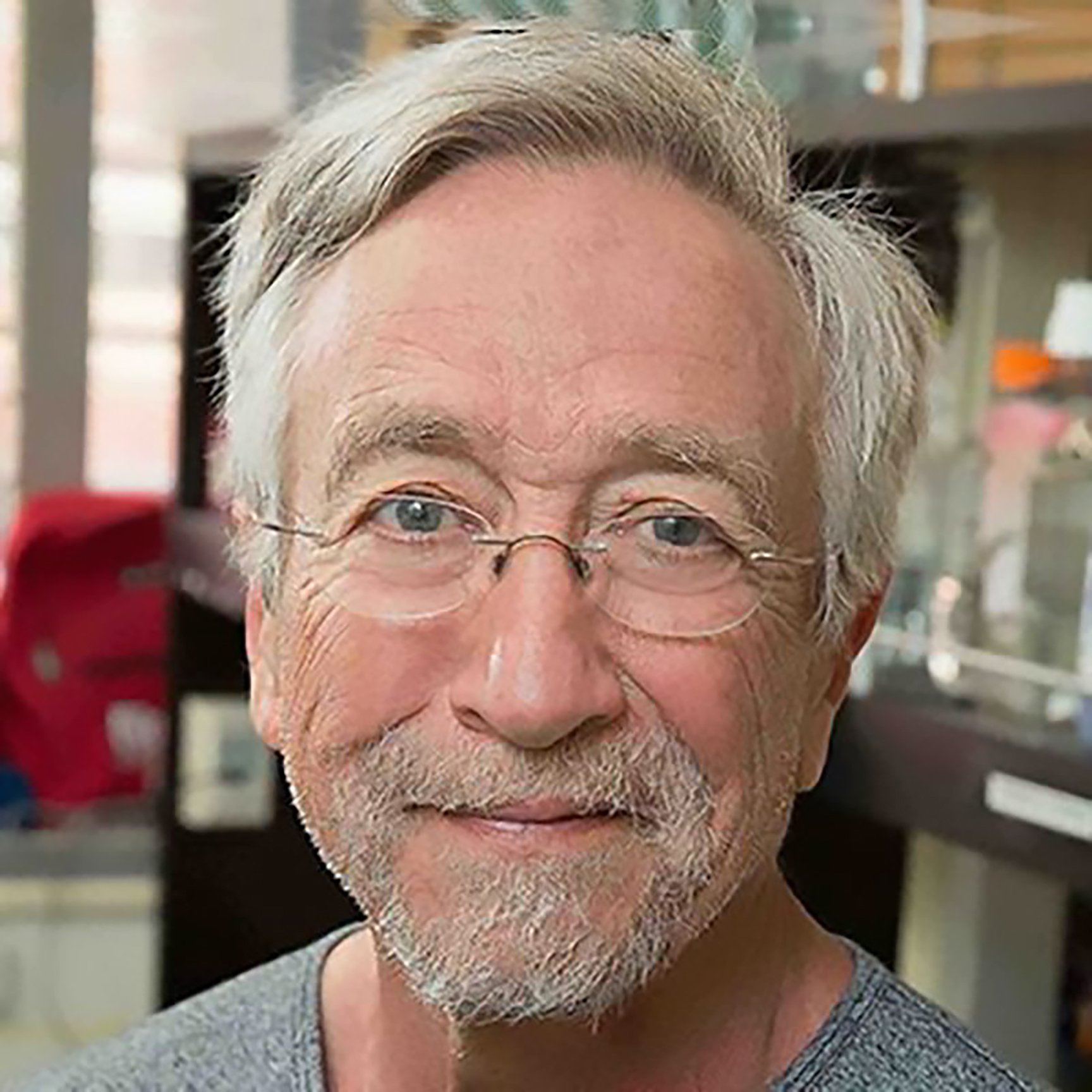
Jack L. Feldman is an American neuroscientist and Distinguished Professor of Neurobiology at the University of California, Los Angeles (UCLA). He is pioneer and world leader in understanding the generation and control of breathing. His research contributions include elucidating the mechanisms underlying generation of the rhythm of breathing and of sighing, and how changes in breathing pattern can affect emotion and cognition. He discovered (and named) the preBötzinger Complex, an area in the brain stem that generates and controls inspiration, and the retrotrapezoid nucleus, a brain stem area the generates and controls expiratory movements as well as sensing carbon dioxide to regulate ventilation. These discoveries represent the foundational paradigm for our current understanding of the generation of breathing pattern. The role of the preBötC is presented in textbooks and routinely taught to graduate and medical students. Feldman was the recipient of the prestigious Hodgkin–Huxley–Katz Prize from the Physiological Society in 2017. The considerable influence of Feldman’s ideas is evident in numerous highly cited review, textbook chapters, online lectures, and podcasts that also communicate the state of the art to neuroscientists and physiologists as well as to those outside academia.
Jack Feldman, UCLA
Breathing Mechanism and Generation, Emotion, Cognition

E.J. Chichilnisky is the John R. Adler Professor of Neurosurgery, and Professor of Ophthalmology, at Stanford University, where he has worked since 2013. Previously, he worked at the Salk Institute for Biological Studies for 15 years. He received his B.A. in Mathematics from Princeton University, and his M.S. in mathematics and Ph.D. in neuroscience from Stanford University. His research has focused on understanding the spatiotemporal patterns of electrical activity in the retina that convey visual information to the brain, and their origins in retinal circuitry, using large-scale multi-electrode recordings. His ongoing work now focuses on using basic science knowledge along with electrical stimulation to develop a novel high-fidelity artificial retina for treating incurable blindness.
E.J. Chichilnisky, Stanford
Artificial Retinas, Retinal Circuitry, Incurable Blindness

Lauren Asarnow is a psychologist who provides behavioral therapy to children, adolescents and adults. She is particularly dedicated to improving her patients' sleep health. In research, Dr. Asarnow works on developing effective, youth-friendly, engaging and accessible behavioral interventions, with the goal of reducing the burden of mental illness for children and young adults. Dr. Asarnow’s research program aims to reduce the burden of mental illness in youth by developing behavioral interventions that are effective, youth friendly, engaging, widely disseminable and easily accessible. Her program of research has primarily focused on sleep as a potential target for intervention in the prevention and treatment of mental and physical health problems. Her current recent program aims to utilize an experimental design to (a) improve sleep health (through a sleep focused treatment), (b) determine whether a sleep focused treatment improves depression and anxiety symptoms, and a known biological marker of risk for depression and anxiety, cortisol reactivity and recovery in response to a stress exposure, and (c) elucidate target mechanisms underlying the effect of poor sleep health on depression and anxiety symptoms, and cortisol measures. Asarnow earned her doctorate in clinical psychology from the University of California, Berkeley, specializing in behavioral sleep interventions. She completed a fellowship in behavioral sleep medicine at Stanford University.
Lauren Asarnow, UCSF
Sleep Health, Mental Health Disorders, Behavioral Interventions

Dr. Richard S. Isaacson is a renowned neurologist with a focus on the treatment and prevention of Alzheimer's disease. He is the Founder and Former Director of the Alzheimer's Prevention Clinic, a first-of-its-kind in the world, at Weill Cornell Medicine & NewYork Presbyterian, where he was also Assistant Dean of Faculty Development and Associate Professor of Neurology. He now conducts clinical and translational research at the Institute for Neurodegenerative Diseases, Florida (INDFlorida.org) and is co-investigator on an NIH-funded clinical trial evaluating the effect of an AI-enhanced digital therapeutic for Alzheimer’s prevention (YourBrainStudy.org). Dr. Isaacson also leads The Atria Institute's Brain Health program, where he applies his extensive expertise in preventive neurology for promoting brain health. With a focus on early detection and prevention, he pioneers initiatives that empower individuals to adopt lifestyle changes that support cognitive vitality. Through his leadership, Dr. Isaacson is shaping the landscape of brain health by bridging scientific research with practical solutions for individuals to enhance their cognitive resilience.
Richard Isaacson, IND Florida
Brain Health, Novel Alzheimer’s Treatment, Cogntive Vitality

Robin is the Ralph Metzner Distinguished Professor in Neurology and Psychiatry and Director of Neuroscape’s Psychedelics Division at the University of California, San Francisco. He moved to Imperial College London in 2008 after obtaining a PhD in Psychopharmacology from the University of Bristol. Robin has designed human brain imaging studies with LSD, psilocybin, MDMA and DMT, and several clinical trials of psilocybin therapy for severe mental illnesses. Robin founded the Centre for Psychedelic Research at Imperial College London in April 2019, was ranked among the top 31 medical scientists in 2020, and in 2021, was named in TIME magazine’s ‘100 Next’ – a list of 100 rising stars shaping the future. His research is creating system-level change in mental health care.
Robin Carhart-Harris, UCSF
Psychopharmacology, Psilocybin Therapy, Mental Health Care

Nita Farahany is a pioneering futurist and leading authority at the intersection of law, ethics, and technology. As the Robinson O. Everett Distinguished Professor of Law & Philosophy at Duke Law School, and Founding Director of Duke Science & Society, she drives transformative discussions on technology's ethical implications. Her seminal book, The Battle for Your Brain: Defending the Right to Think Freely in the Age of Neurotechnology (2023), charts a pathway to cognitive freedom in an increasingly interconnected world. A highly sought after speaker, her insights resonate from TED stages to the World Economic Forum. Serving on President Obama’s Presidential Commission (2010-2017) and advising entities including the U.S. BRAIN Initiative and the World Economic Forum, her expertise influences global technology policy. With a JD and Ph.D. in law and philosophy from Duke University, an AB in Genetics from Dartmouth, and ALM in Biology from Harvard, Farahany's interdisciplinary background informs her role as a prominent voice shaping global discourse on emerging technologies. Her leadership has been recognized broadly, including by election to the American Law Institute, AAAS, appointment to the Uniform Laws Commission, and her advisory role for Scientific American.
Nita Farahany, Duke
Ethical & Legal Implications of Neurotechnology Advancements
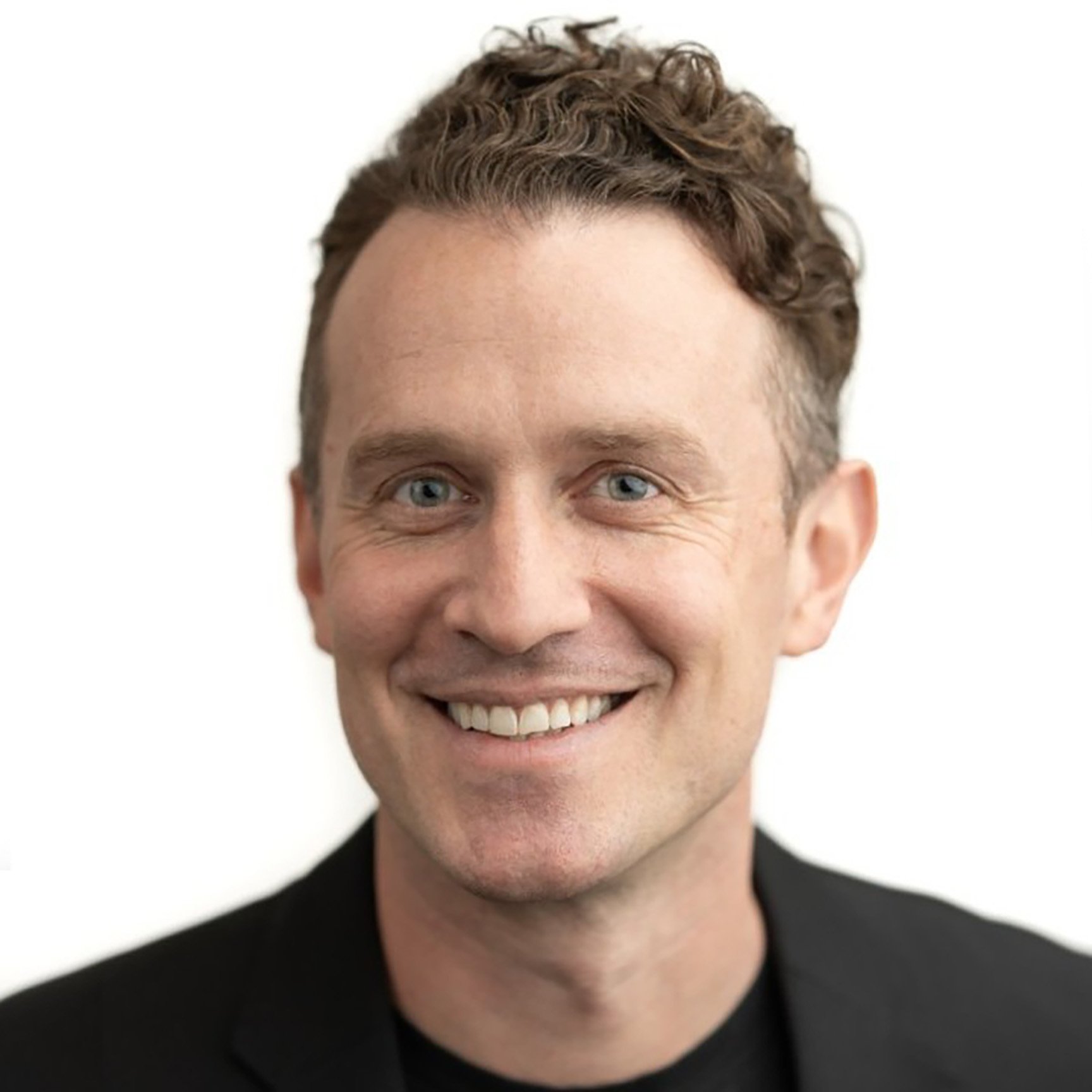
Thomas J. Oxley is a brain-computer interface specialist and the founder and CEO of Synchron, a neural interface technology company. At Synchron, Oxley is developing an endovascular, implantable brain-computer interface, Stentrode, which aims to provide treatment for patients with debilitating illnesses. The device can record stable brain activity from within a blood vessel and transmit features of motor intent that can drive control of digital consumer devices. Synchron recently completed enrolment its second human clinical trial and is preparing for a pivotal clinical trial ahead of an industry first market approval. Oxley completed his PhD in neuroscience at the University of Melbourne. He completed an endovascular neurosurgery fellowship at Mount Sinai Hospital in New York. He has performed more than 1,600 endovascular neurosurgical procedures and has published more than 130 internationally peer reviewed articles (H-Index 30) in journals including Nature Biotechnology, Nature Biomedical Engineering, New England Journal of Medicine and The Lancet.
Thomas Oxley, Synchron
Novel Neurointerventional Techniques, Neuroprosthetics, BCIs

Dr. Adam Gazzaley obtained an M.D. and Ph.D. in Neuroscience at the Mount Sinai School of Medicine in New York, completed Neurology residency at the University of Pennsylvania, and postdoctoral training in cognitive neuroscience at University of California, Berkeley. He is currently the David Dolby Distinguished Professor of Neurology, Physiology and Psychiatry at University of California, San Francisco and the Founder & Executive Director of Neuroscape, a translational neuroscience center at UCSF engaged in technology creation and scientific research.
At Neuroscape, he leads the design and development of novel brain assessment and cognitive optimization technologies to advance education, wellness, and medicine practices. Neuroscape’s novel approach involves the development of custom-designed, closed-loop video games integrated with the latest advancements in software and hardware (virtual/augmented reality, motion capture, mobile physiological recording devices, transcranial electrical brain stimulation). These technologies are then advanced to rigorous, placebo-controlled research studies that evaluate their impact on cognition, as well as the neural mechanisms of these effects using a combination of functional magnetic resonance imaging (fMRI), electroencephalography (EEG) and transcranial magnetic stimulation (TMS).Dr. Gazzaley has filed multiple patents for his inventions, authored over 180 scientific articles, and delivered over 700 invited presentations around the world. His research and perspectives have been consistently profiled in high-impact media, such as The New York Times, New York Times Magazine, New Yorker, Wall Street Journal, TIME, Discover, Wired, PBS, NPR, CNN and NBC Nightly News. He wrote and hosted the nationally-televised PBS special “The Distracted Mind with Dr. Adam Gazzaley”, and co-authored the 2016 MIT Press book “The Distracted Mind: Ancient Brains in a High-Tech World”, winner of the 2017 PROSE Award in the category of Biomedicine and Neuroscience.Dr. Gazzaley has received many awards and honors, including the 2015 SfN Science Educator Award, the 2020 Global Gaming Citizen Honor and was named in Newsweek's 2021 Inaugural list of America’s Greatest Disruptors.
Adam Gazzaley, UCSF
Development of Novel Brain Assessment and Optimization Tools

Aza is a National Geographic Explorer and co-founder of Earth Species Project, a nonprofit dedicated to translating animal communication. He is also the co-founder of the Center for Humane Technology, was an architect and subject of the documentary The Social Dilemma, and is the co-host for the popular podcast Your Undivided Attention. Trained as a mathematician and dark matter physicist, he has taken three companies from founding to acquisition, is a co-chairing member of the World Economic Forum’s Global AI Counsel, briefs heads of state, helped found Mozilla Labs, in addition to being named FastCompany’s Master of Design, and listed on Forbes and Inc Magazines 30-under-30.
Aza Raskin, Center for Human Technology
Neuroethics, BCI Integration, Cognitive Augmentation
Friday, October 20th: Day of Dialog and Practice

As we traverse the digital age, our bonds with technology continue to intensify, reshaping the landscape of our neural pathways and deepening our collective dopamine addiction. It's a symbiotic relationship that challenges our mental resilience and calls for deeper understanding.
On Friday, October 20th, we will discuss how to counterbalance this narrative by harnessing the power of mind-training, mindfulness, mind-body practices, meditation, and more. Together with experts in the neural correlates of concentration, meditative states, mind wandering, stress, and creativity, we will explore how to nurture a balanced mind amidst the pulsing energy of the digital world.
This day of dialog is meant to lay the groundwork for a larger gathering in March, 2024, which will combine the best of 5,000 years of mind training tradition with the cutting edge of modern neuroscience research and technologies.
Come ready with your questions and ideas: along with a group of world-renowned scientists and technologists, together we will navigate uncharted territories of mind training, dissect the dopamine dilemma, and surface innovative strategies for harmonizing our technological interactions.
This is the beginning of a larger conversation of now we can unlock a state of cognitive equilibrium where technology serves us, not the other way around. Ultimately, we are looking for ways to empower ourselves, our families, our communities, and society with the best that science has to offer to face an increasingly dopamine-driven world.
FRIDAY PRESENTERS

Elissa Epel, Ph.D, is a Professor and Vice Chair in the Department of Psychiatry, at University of California, San Francisco. She is an international expert on stress, well-being, and optimal aging and a best-selling author. She studies the environmental, psychological, behavioral, and social factors that impact cellular aging (such as telomeres, inflammation, and mitochondria), and is also focusing on climate wellness. She studies how self-care practices such as meditation and positive stress can promote psychological and physiological thriving and is interested in large-scale interventions for communal well-being and health equity. She co-wrote the New York Times best-seller “The Telomere Effect: A revolutionary approach to living younger, longer” with Nobel Laureate Elizabeth Blackburn (translated into 30 languages) and the new “Stress Prescription,” an independent bookstore best seller. She enjoys leading science-based meditation retreats. Epel is a member of the National Academy of Medicine, current President of the Academy of Behavioral Medicine Research, and co-chair of the Mind & Life Institute Steering Council. She has served as a consultant to NIH, CDC, Facebook, Apple, United Health, and UC campus-wide initiatives on stress and health. Epel’s research has been featured in venues such as TEDMED, Wisdom 2.0, NBC’s Today Show, CBS’s Morning Show, 60 minutes, National Public Radio, New York Times, Wall Street Journal, and science documentaries. In 2022, she was named as a highly cited researcher, among the top .1% of researchers globally (based on publication impact).
Elissa Epel, UCSF
Stress Resilience and Responses, Cellular Stress Pathways

Jud Brewer MD PhD (“Dr. Jud”) is a New York Times best-selling author and thought leader in the field of habit change and the “science of self-mastery”, having combined over 25 years of experience with mindfulness training with his scientific research therein. He is the Director of Research and Innovation at the Mindfulness Center and professor in Behavioral and Social Sciences and Psychiatry at the Schools of Public Health & Medicine at Brown University. A psychiatrist and internationally known expert in mindfulness training for addictions, Brewer has developed and tested novel mindfulness programs for habit change, including both in-person and app-based treatments for smoking, emotional eating, and anxiety. He has also studied the underlying neural mechanisms of mindfulness using standard and real-time fMRI and EEG neurofeedback. He has trained US Olympic athletes and coaches, foreign government ministers, and his work has been featured on 60 Minutes, TED (4th most viewed talk of 2016, with 19+ Million views), the New York Times, Time magazine (top 100 new health discoveries of 2013), Forbes, BBC, NPR, Al Jazeera (documentary about his research), Businessweek and others. His work has been funded by the National Institutes of Health, American Heart Association, among others. Dr. Brewer founded MindSciences (which merged with Sharecare Inc. in 2020) to move his discoveries of clinical evidence behind mindfulness for anxiety, eating, smoking and other behavior change into the hands of consumers (see www.drjud.com for more information). He is the author of The Craving Mind: from cigarettes to smartphones to love, why we get hooked and how we can break bad habits (New Haven: Yale University Press, 2017), the New York Times best-seller, Unwinding Anxiety: New Science Shows How to Break the Cycles of Worry and Fear to Heal Your Mind (Avery/Penguin Random House, 2021) and the forthcoming book The Hunger Habit: why we eat when we’re not hungry and how to stop (Avery/Penguin Random House, 2024).
Judson Brewer, Brown
Mindfulness, Neural Plasticity, Breaking Habit Cycles

Jon Kabat-Zinn, Ph.D. is Professor of Medicine emeritus at the University of Massachusetts Medical School, where he founded its world-renown Mindfulness-Based Stress Reduction (MBSR) Clinic in 1979, and the Center for Mindfulness in Medicine, Health Care, and Society (CFM), in 1995. Both the MBSR Clinic and the CFM are now part of UMassMemorial Health.
Jon lectures and leads mindfulness retreats around the world and online.
ABOUT JON KABAT-ZINN
Jon Kabat-Zinn, Ph.D. is Professor of Medicine emeritus at the University of Massachusetts Medical School, where he founded its world-renown Mindfulness-Based Stress Reduction (MBSR) Clinic in 1979, and the Center for Mindfulness in Medicine, Health Care, and Society (CFM), in 1995. Both the MBSR Clinic and the CFM are now part of UMassMemorial Health.
Jon did his doctoral work in molecular biology at MIT, in the laboratory Salvador Luria. He is the author of 15 books, currently in print in over 45 languages. His most recent is Mindfulness Meditation for Pain Relief (April 2023). He is also the author of a series of research papers on MBSR dating back to 1982. In a 2021 study of trends and developments in mindfulness research over 55 years (1966-2021), three of his empirical studies figure among the ten most cited articles on mindfulness (nos. 3, 5, and 9) in the scientific literature; and a review article he authored is number two among citations of the top ten review articles on mindfulness.
His work and that of a global community of colleagues has contributed to a growing movement of mindfulness into mainstream institutions such as medicine, psychology, health care, neuroscience, schools, higher education, business, social justice, criminal justice, prisons, the law, technology, the military, government, and professional sports. Over 700 hospitals and medical centers around the world now offer MBSR.
Jon Kabat-Zinn’s books, his app and other guided meditation programs, his public and professional talks, and his in-person and online retreats describe and invoke the cultivation of mindfulness in such commonsensical, relevant, and compelling terms that its practice has become a way of life for many hundreds of thousands, if not millions, of people around the world.
Mindfulness Techniques, Stress Reduction, Health of Humanity

Dr. Alia Crum, Associate (tenured) Professor of Psychology at Stanford University and Director of the Stanford Mind & Body Lab. Dr. Crum is a world expert on mindsets and beliefs and how they shape our responses to stress, exercise, and even to the foods we eat Crum's research focuses on how changes in subjective mindsets - the lenses through which information is perceived, organized, and interpreted - can alter objective reality through behavioral, psychological, and physiological mechanisms. Her work is, in part, inspired by research on the placebo effect, a remarkable and consistent demonstration of the ability of the mindset to elicit healing properties in the body. She is interested in understanding how mindsets affect important outcomes outside the realm of medicine, in the domains of behavioral health and organizational behavior. More specifically, she aims to understand how mindsets can be consciously and deliberately changed through intervention to affect organizational and individual performance, physiological and psychological well-being, and interpersonal effectiveness.
Alia Crum, Stanford
Optimizing your Mindset, Peak Performance, Mindset Change Mechanism

Ed Boyden is Y. Eva Tan Professor in Neurotechnology at MIT, an investigator of the Howard Hughes Medical Institute and the MIT McGovern Institute, and professor of Brain and Cognitive Sciences, Media Arts and Sciences, and Biological Engineering at MIT. He leads the Synthetic Neurobiology Group, which develops tools for analyzing and repairing complex biological systems, such as the brain, and applies them systematically to reveal ground truth principles of biological function and to repair these systems. These inventions include optogenetic tools, which enable control of neural activity with light; expansion microscopy, which enables ordinary microscopes to do nanoimaging; new tools for high-speed imaging of living biological signals and networks; noninvasive brain stimulation strategies that may help with conditions ranging from Alzheimer's to blindness; and new strategies for inexpensively creating 3-D nanotechnology. He co-directs the MIT Center for Neurobiological Engineering and the MIT K. Lisa Yang Center for Bionics, and is a faculty member of the MIT Center for Environmental Health Sciences, Computational & Systems Biology Initiative, and Koch Institute. Amongst other recognitions, he has received the Wilhelm Exner Medal (2020), the Croonian Medal (2019), the Lennart Nilsson Award (2019), the Warren Alpert Foundation Prize (2019), the Rumford Prize (2019), the Canada Gairdner International Award (2018), the Breakthrough Prize in Life Sciences (2016), the BBVA Foundation Frontiers of Knowledge Award (2015), the Carnegie Prize in Mind and Brain Sciences (2015), the Jacob Heskel Gabbay Award (2013), the Grete Lundbeck Brain Prize (2013), the NIH Director's Pioneer Award (2013), and the Perl/UNC Neuroscience Prize (2011). He was named to the World Economic Forum Young Scientist list (2013) and the Technology Review World’s "Top 35 Innovators under Age 35" list (2006), and is an elected member of the National Academy of Sciences (2019), the American Academy of Arts and Sciences (2017), the National Academy of Inventors (2017), and the American Institute for Medical and Biological Engineering (2018). His group has hosted hundreds of visitors to learn how to use new biotechnologies, and he also regularly teaches at summer courses and workshops in neuroscience, and delivers lectures to the broader public (e.g., TED (2011), TED Summit (2016), World Economic Forum (2012, 2013, 2016)).
Ed Boyden, MIT
Computational and Neural Modeling for Mindfulness

Dr. Jay Sanguinetti stands at the intersection of neuroscience, cognitive psychology, and contemplative science. He is a distinguished speaker, scientist, and entrepreneur, as well as a developing meditation teacher. He is the President of Sanmai Technologies, Public Benefit Corporation in Silicon Valley, and the Assistant Director of the Center for Consciousness Studies at the University of Arizona. Specializing in psychophysiological measures such as EEG, fMRI, and eye-tracking, Dr. Sanguinetti has investigated many domains, including the complex neural dynamics of visual perception, emotion, and mindfulness meditation. He has also explored the neural basis of depression, anxiety, and Parkinson’s Disease. His team is at the cutting edge of neuroscience, exploring innovative forms of brain stimulation, including ultrasound and light-based techniques, to boost memory, perception, and overall well-being. In pioneering work, Dr. Sanguinetti teamed up with the prominent meditation teacher and scholar Shinzen Young to explore science-informed protocols and neurotechnologies to facilitate mindfulness practice. This collaboration gave birth to the Science Enhanced Mindful Awareness (SEMA) lab at the University of Arizona. The SEMA lab is at the forefront of developing science-based mindfulness protocols that lower the barriers to meditation and may help more people experience the benefits of the practice.
Jay Sanguinetti, UArizona
Novel Neural Stimulation Techniques, Enhancement of Meditative States

Dustin DiPerna is a visionary leader, entrepreneur, and recognized expert in world religions. He has committed his life to making timeless spiritual wisdom relevant and accessible for a rapidly changing global society. Through writing, teaching, coaching, and entrepreneurship, Dustin helps individuals and groups to find happier and more fulfilling ways of being in the world. He is author of three books - Streams of Wisdom, Evolution's Ally, and Earth is Eden - and co-editor of The Coming Waves.
Dustin has spent more than a decade of close study with American Philosopher, Ken Wilber, who has publically declared that Dustin’s work “fundamentally alters the way in which religion or spirituality can (and should) be taught and practiced.” For the past 8 years, Dustin has been practicing and studying in the spiritual lineages of Mahamudra and Dzogchen under the direction of Daniel P. Brown. Dustin has a lifelong commitment to being both student and practitioner.
Dustin DiPerna, Stanford
Accessible Spiritual Wisdom, Combining Ancient Practices with Neuroscience
AGENDAS
Friday, October 20th, 2023:
8:00 AM Breakfast & Registration
9:00 AM Welcome and Musical Experience
9:20 AM Plenary Session
Framing Exercises with Jim Kwik
Judson Brewer, M.D., Ph.D. (Brown): Breaking addictive behavior
Elissa Epel, Ph.D. (UCSF): Stress resilience
Jon Kabat-Zinn, Ph.D.: Mindfulness
Jay Sanguinetti, Ph.D. (University of AZ): Neural stimulation insights
Alia Crum, Ph.D. (Stanfrord): Mindsets to Optimize Human Performance
Panel with Ed Boyden, Ph.D. (MIT): Neuroscience Tools for Mindfulness Research
12:30 PM Lunch with Speakers
1:45 PM Guided Meditation / Musical Performance
2:00 PM Concentration Training led by Dustin DiPerna
4:00 PM Close
SATURDAY, October 21st, 2023
BrainMind Summit DAY 1
8:00 AM Breakfast & Registration
9:00 AM Welcome and Musical Performance
9:20 AM Plenary Session
Susan Magsamen (Johns Hopkins) & Ivy Ross (Google): The art-brain nexus
Richard Isaacson, M.D. (Florida): Alzheimer’s risk reduction
Jaimie Henderson, M.D. (Stanford): Deep brain stimulation
Shawn Hervey-Jumper, M.D. (UCSF): Awake brain surgery
Nita Farahany, Ph.D., JD. (Duke) & Aza Raskin (Center for Humane Technology): The brain’s evolution with technology
Elaine Hsiao, Ph.D. (UCLA): Gut-brain influence
Adam Gazzaley, Ph.D. (UCSF): Cognitive enhancement innovations
12:40 PM Lunch with Speakers, Experiential NeuroLab opens
1:45 PM Entrepreneur Spotlight
Phil Strandwitz, Ph.D. - Holobiome
Vivienne Ming, Ph.D. - Dionysus Health
Jacob Robsinon, Ph.D. - Motif Neuroscience
Nishita Deka, Ph.D. - Sonera
Blake Gurfein, Ph.D. - Humanity Neuroscience
Susan Mac Cormac, J.D. - Morrison Foerster
3:00 PM Breakout Discussion Tables
Brain Health, APOE4, and Alzheimer's Prevention
Scrolling Minds: Social Media's Influence on Brain Development
Psychedelic Science: Current Research, Transformative Health Solutions
Precision Neuropsychiatry: A Circuit-Centric Approach
The Neuroscinece of Self Transcendence
Neuroelectronic Medicine: A Glimpse into the Future
Connectomics and Scalable Single-Cell Circuit Mapping
Building Teen Brains: The Science of Meaningful Experiences
Non-Invasive Gene Therapies for CNS Disorders
4:00 PM Musical Experience - Laura Inserra
4:45 PM Closing Remarks
5:00 PM Reception
——————
7:00 PM Unconference-style Dinners
SUNDAY, October 22nd, 2023
BrainMind Summit DAY 2
8:00 AM Breakfast
9:00 AM Welcome and Musical Performance
9:20 AM Plenary Session
Michael Lim, M.D. (Stanford): The future of brain tumor treatment
Eddie Chang, M.D. (UCSF): How to turn brain waves into words
Jack Feldman, Ph.D. (UCLA): Breath’s sway on emotion
Robin Carhart Harris, Ph.D. (UCSF): Psychedelics' promise
Thomas Oxley, M.D., Ph.D. (Mt Sinai; Synchron): Neurovascular medicine
E.J. Chichilnisky, Ph.D. (Stanford): Artificial retinas and visual neuroscience
Ashley Mason, Ph.D. (UCSF): Non-drug brain interventions
Elissa Epel, Ph.D. (UCSF): Cellular aging and mindfulness
Lauren Asarnow, Ph.D. (UCSF): Sleep and the adolescent brain
12:25 PM Lunch with Speakers, Experiential NeuroLab opens
1:45 PM Musical Experience/Guided Meditation
2:30 PM Breakout Discussion Tables
Investing in Neurotechnology
Commercializing Neurotechnology: What Works, What Doesn’t
Rapid Acting TMS for Psychiatric Emergencies
New Business Structures for Sustainable Impact
Gut Microbiome and Brain/Mental Health
Beyond Action Potentials: Intricacies of Nervous System Energy Delivery
Advancing Neuroscience: Next-Generation Brain Imaging Tools
Transforming Women's Reproductive Mental Health: Insights from AI and Epigenetics
4:00 PM Fireside Chat with Reid Hoffman
5:00 PM Closing Reception
——————
SUMMIT GOALS
The Summit is built around the following principles of BrainMind:
Build a collaborative roadmap for effective forward progress in the science of the brain and mind with top scientists and leaders in the field.
Within this wider roadmap, surface and focus special attention on the areas and ideas in most need of coordinated support.
Leverage new forms of capital and infuse leaders in the entrepreneurial, investing, and philanthropic communities to support these pivotal ideas from the lab to society.
BrainMind Summit participants will also be brought to the tip of the spear on topics such as the neural basis of consciousness, the brain in love, improved circuits of learning, aging with vibrancy, childhood brain development, brain-mind interfaces, psychedelics, artful applications of AI in clinical brain health, new breakthroughs in depression and PTSD, preventing Alzheimer’s, wearable neurotechnology, and some special surprises.
PARTICIPANTS
BrainMind Summits are invite-only, with space limited at UCSF Mission Bay to under 250 attendees. All participants are members of the BrainMind ecosystem and are carefully selected for potential contribution, influence, and intent.
ENTREPRENEUR SPOTLIGHT
Featured entrepreneurs will present groundbreaking ideas and pose impact-related questions to participants. Spotlight entrepreneurs will also host breakout discussion tables. Our Experiential Neurolab will also feature live demos from neurotech entrepreneurs in the BrainMind Ecosystem.
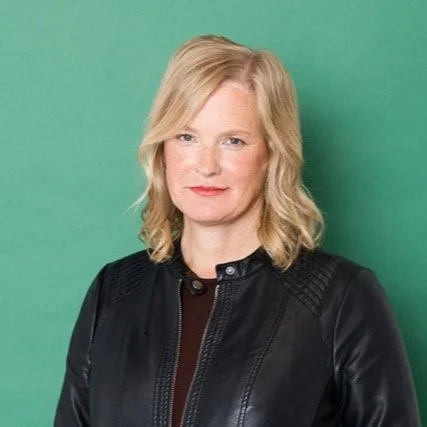
Dr. Vivienne Ming explores how to maximize human capacity as a theoretical neuroscientist, serial entrepreneur, demented author, and mother of two. For a decade, she has explored seemingly intractable problems—from a lone child’s disability to global economic inclusion—through her philanthropic work at Socos Labs. She has designed AI systems to predict manic episodes in bipolar sufferers, reunite orphan refugees with extended family members, and even help treat her son’s diabetes. Vivienne’s previous companies have applied machine learning to bias in hiring and education at home and in school, as well as using neurotechnologies to treat Alzheimer’s and depression. She started her professional life at UC Berkeley’s Redwood Center for Theoretical Neuroscience pursuing her research in cognitive neuroprosthetics. Vivienne sits on the boards of numerous companies and nonprofits. For relaxation, she writes science fiction and spends time with her wife and children. Named one of “10 Women to Watch in Tech” by Inc. Magazine and one of BBC’s 100 Women in 2017, Vivienne is featured frequently for her research and inventions in The Financial Times, The Atlantic, Quartz Magazine, and the New York Times.
Vivienne Ming, Dionysus Health
AI, Epigenetics, Women’s Reproductive Health

Dr. Blake Gurfein is Founder and CEO of Humanity Neurotech and holds an adjunct faculty appointment in the Department of Neurological Surgery at UCSF. Dr. Gurfein received a Sc.B. in Neuroscience from Brown University, a Ph.D. in Neuroscience from the Icahn School of Medicine at Mount Sinai, and completed neuroimmunology postdoctoral work at UCSF. In Dr. Gurfein’s academic and industry research, he has developed consumer and medical devices for central and peripheral nerve neuromodulation, investigated novel strategies for neuroprotection and repair in multiple sclerosis, and via Humanity Neurotech, is developing a first in class treatment for brain disorders marked by neuroinflammation. Along this path, he has established himself as a NIH-funded scientist and entrepreneur with publications in high impact journals, numerous issued patents, and medical device regulatory approvals in both the US and Europe. Dr. Gurfein enjoys spending time mentoring early career scientists and entrepreneurs and commits time to sharing his experiences with the next generation of innovators.
Blake Gurfein, Humanity Neurotech
Neurostimulation, Medical Devices, Neuroinflammation
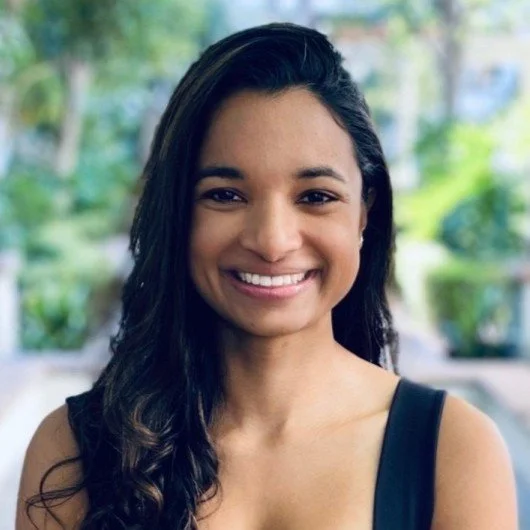
Nishita Deka earned a Ph.D. in electrical engineering and computer sciences at the University of California, Berkeley. She has a B.S. in electrical engineering from the University of Southern California. At Berkeley, she focused on the design and fabrication of nanoscale devices for MEMS and sensing applications.
She co-founded Sonera Magnetics to commercialize a novel magnetic sensing technology for high-performance, non-invasive neural interfaces to enable the next generation of computing, in which humans and technology are more intimately connected.
Nishita Deka, Sonera
Brain Imaging, Wearable Neurotech, Machine Learning

Dr. Philip Strandwitz is a specialist in the microbiome, with a focus on the gut-brain-axis. Philip received his PhD in Biology under the guidance of Dr. Kim Lewis at Northeastern University, where he focused on cultivating unique bacteria from the human gut microbiota, as well as studying their ability to modulate neurotransmitters. Since assembled a broad range of clinical and academic collaborators to further profile the link between the human microbiome and the gut-brain-axis. Philip has presented at numerous conferences, including those held by the New York Academy of Science, Keystone Symposia, and the American Society of Microbiology.
He is now CEO as Holobiome, a company he co-founded to translate microbiome science into novel therapeutics to treat diseases of the central and enteric nervous systems. Holobiome announced an early stage research collaboration with Johnson & Johnson Innovation LLC, Johnson & Johnson Consumer Inc. and Janssen Research & Development, LLC in early 2018, and is currently sponsored by Amgen for wet lab space at LabCentral in Cambridge, MA.
Philip Strandwitz, Holobiome
Gut-Brain Axis, Microbiome, Mental Health

Jacob Robinson, CEO of Motif, is an Associate Professor in Electrical & Computer Engineering and Bioengineering at Rice University and an Adjunct Associate Professor in Neuroscience at Baylor College of Medicine. His research group uses nanofabrication technology to create devices that can manipulate and monitor neural circuit activity. His current research interests include nanoelectronic, nanophotonic and nanomagnetic technologies to manipulate and measure brain activity. Dr. Robinson's work has been recognized by several agencies including the DARPA Young Faculty Award and the John S. Dunn Foundation Collaborative Research Award.
Jacob Robinson, Motif Neuroscience
Novel Neuromodulation Techniques, Accessible Mental Health Care

Susan Mac Cormac is a partner of global law firm Morrison & Foerster, serving as co-chair of the energy and clean technology groups.
Mac Cormac’s work focuses on advising innovative, forward-thinking sustainable and renewable energy companies and investors on corporate structure, equity and debt financings, mergers, acquisitions, asset purchases and sales, reorganizations, and joint ventures. She advises corporations on the intersection of fiduciary duties and environmental sustainability as well as disclosure around ESG. She has particular expertise on ensuring energy, sustainability, and other investments have positive impact through use of new corporate forms, hybrids, alternative debt and equity instruments, and disclosure.
Susan MacCormac, Morrison Foerster
Sustainable Innovation, Impact Investing, Social Enterprise
MULTISENSORY MUSICAL EXPERIENCES
Musical Curator: Laura Inserra ~ Sound Alchemist / Founder of Chambers of AWE

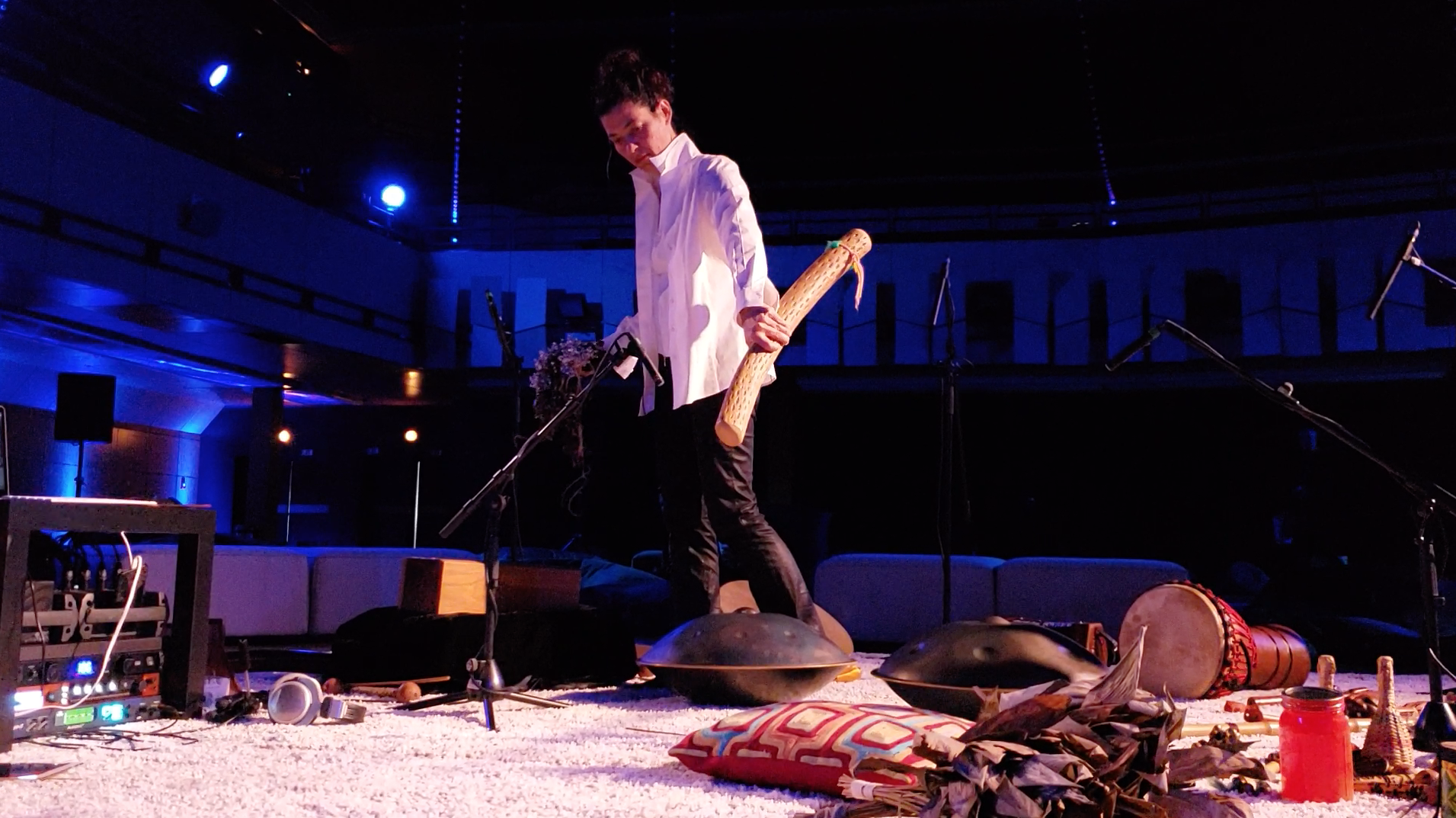
Beyond the realm of the auditory, Laura Inserra stands as our musical savant and curator this year, sculpting soundscapes that echo the global narrative, age-old wisdom, and tomorrow’s technological vanguard. Imagine Beethoven meeting an AI—mixing worldly music with tech magic.
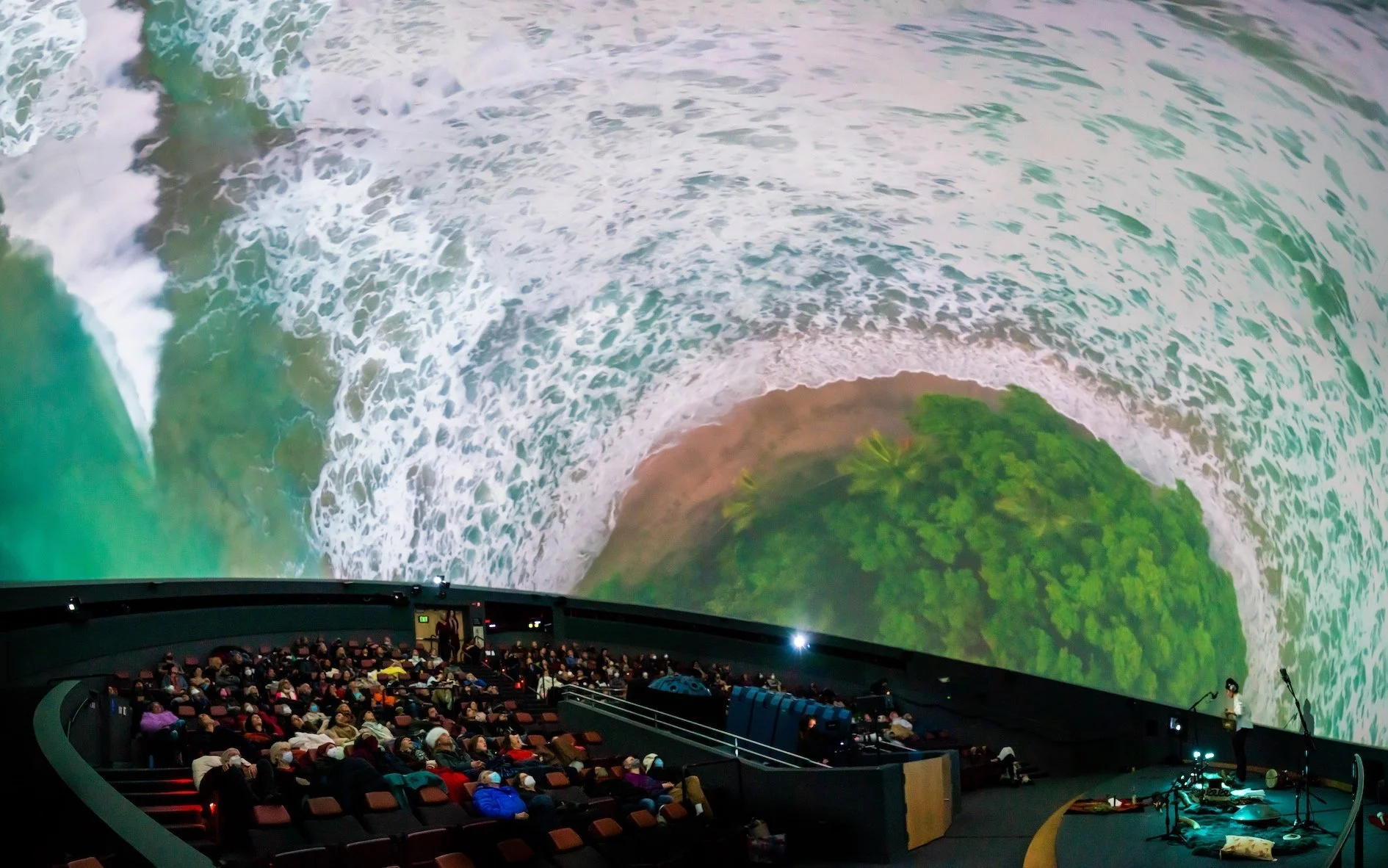
Laura is the founder of Chambers of AWE, an innovative multimedia production company that fills planetariums with 360º audio field recordings and imagery from powerful sacred spaces in the world, and combines that with CGI and AI generated content. These productions deepen our relationship with the natural world and help people reconnect to the wisdom and power of what it means to be human - as we transition into a world embedded with augmented and artificial intelligence.
For decades Laura has produced immersive and impactful events from private retreats to large public gatherings in a variety of natural sites and man-made environments — for Google X, MAPS, Synergos DevCon, TransTech, Wisdom 2.0, SAND, and many more. Learn more at laurainserra.com
EXPERIENTIAL NEUROLAB
The Summit will include a hands-on Experiential NeuroLab with exciting inventions, technology demonstrations, and artistic exhibits. Past experiences include mind-controlled visual media, AR and VR-based technologies, real human brains, 10-100x expanded brain segments, neuroscience-driven perceptual illusions, immersive education experiences, and more. The NeuroLab will also include immersive art exhibitions exploring the theme of “digital consciousness.”

Expansion Microscopy Image Credit: Gao et al./ Science 2019
BREAKOUT DISCUSSION MODULES
Special breakout discussions allow attendees to go deeper on specific topics. Roundtables with 8-12 participants convene around preselected BrainMind topics with subject matter experts, including topics like Sleep, Longevity, Resilience, Flow, Attachment, Brain-Computer Interfaces, and Deep Brain Stimulation. The breakouts are designed to encourage conversation and collaboration with speakers and other great minds.
Previous breakout discussion topics include:








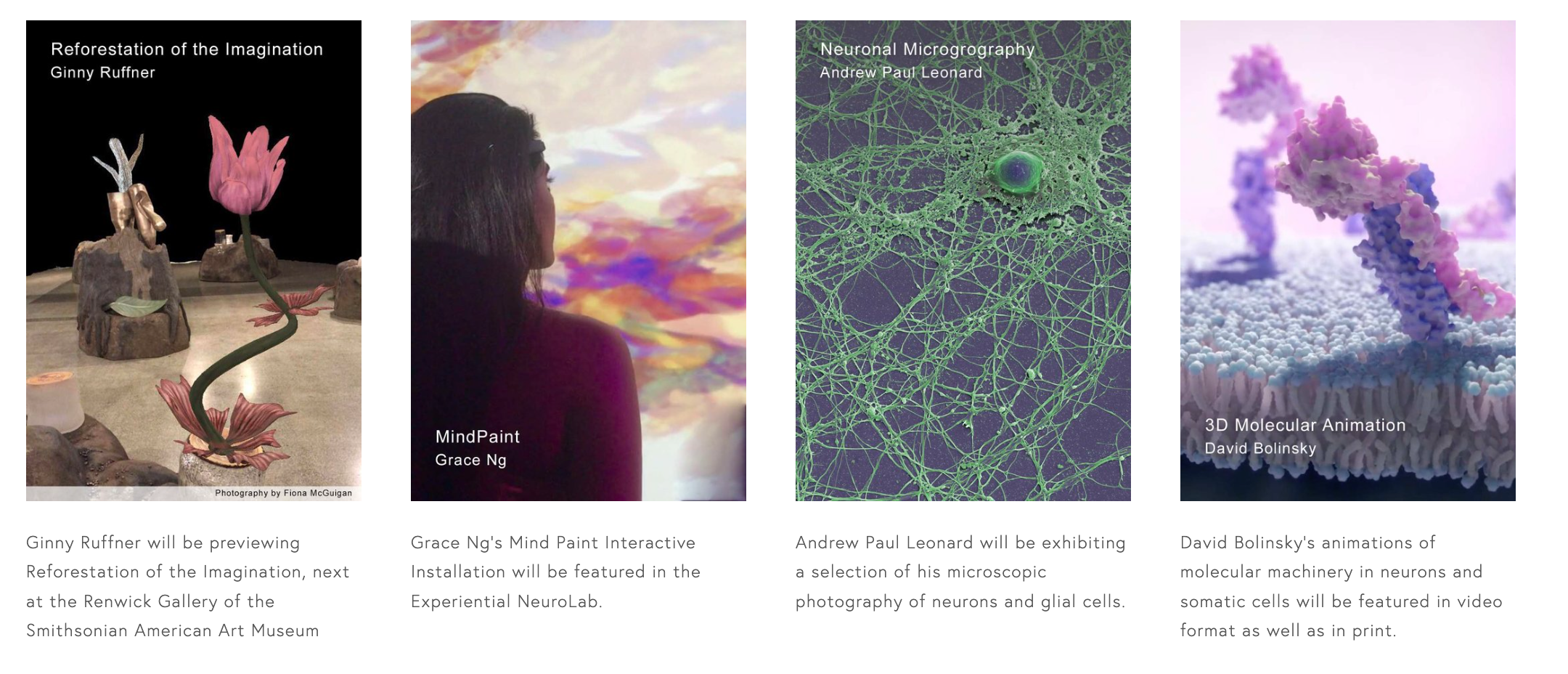
ART EXHIBITIONS
Brilliant artists will be exhibiting their work exploring the theme of “natural intelligence,” offering up their interpretations of how the natural world manifests symmetry, connectivity, complexity, beauty, imagination, and awareness in both visible and unseen realms.
Previous Exhibitors:
BRAIN-HEALTHY CUISINE

New research indicates that diet plays a significant role in brain function, impacting everything from memory to risk for brain diseases. We put these exciting findings into practice at our Summits. You won’t find junky conference fare at our event. Meals and snacks served at the Summit feature foods and ingredients with published findings for brain health benefit. Learn more about our approach here.
DETAILS
Dates: Saturday October 21 through Sunday October 22, with a Special added day on Mind-Training on October 20th
Lodging: Plenty of great hotels can be found in the Mission Bay neighborhood!