
SUMMIT GOALS
The Summit is built around the following principles of BrainMind:
Build a collaborative roadmap for effective forward progress in the science of the brain and mind with top scientists and leaders in the field.
Within this wider roadmap, surface and focus special attention on the areas and ideas in most need of coordinated support.
Leverage new forms of capital and infuse leaders in the entrepreneurial, investing, and philanthropic communities to support these pivotal ideas from the lab to society.
BrainMind Summit participants will also be brought to the tip of the spear on topics such as the neural basis of consciousness, the brain in love, improved circuits of learning, aging with vibrancy, childhood brain development, brain-mind interfaces, psychedelics, artful applications of AI in clinical brain health, new breakthroughs in depression and PTSD, preventing Alzheimer’s, wearable neurotechnology, and some special surprises.
PARTICIPANTS
BrainMind Summits are invite-only, with space limited at UCSF Mission Bay to under 250 attendees. All participants are members of the BrainMind ecosystem and are carefully selected for potential contribution, influence, and intent.
ENTREPRENEUR SPOTLIGHT
Featured entrepreneurs will present groundbreaking ideas and pose impact-related questions to participants. Spotlight entrepreneurs will also host breakout discussion tables. Our Experiential Neurolab will also feature live demos from neurotech entrepreneurs in the BrainMind Ecosystem.

Dr. Vivienne Ming explores how to maximize human capacity as a theoretical neuroscientist, serial entrepreneur, demented author, and mother of two. For a decade, she has explored seemingly intractable problems—from a lone child’s disability to global economic inclusion—through her philanthropic work at Socos Labs. She has designed AI systems to predict manic episodes in bipolar sufferers, reunite orphan refugees with extended family members, and even help treat her son’s diabetes. Vivienne’s previous companies have applied machine learning to bias in hiring and education at home and in school, as well as using neurotechnologies to treat Alzheimer’s and depression. She started her professional life at UC Berkeley’s Redwood Center for Theoretical Neuroscience pursuing her research in cognitive neuroprosthetics. Vivienne sits on the boards of numerous companies and nonprofits. For relaxation, she writes science fiction and spends time with her wife and children. Named one of “10 Women to Watch in Tech” by Inc. Magazine and one of BBC’s 100 Women in 2017, Vivienne is featured frequently for her research and inventions in The Financial Times, The Atlantic, Quartz Magazine, and the New York Times.
Vivienne Ming, Dionysus Health
AI, Epigenetics, Women’s Reproductive Health

Dr. Blake Gurfein is Founder and CEO of Humanity Neurotech and holds an adjunct faculty appointment in the Department of Neurological Surgery at UCSF. Dr. Gurfein received a Sc.B. in Neuroscience from Brown University, a Ph.D. in Neuroscience from the Icahn School of Medicine at Mount Sinai, and completed neuroimmunology postdoctoral work at UCSF. In Dr. Gurfein’s academic and industry research, he has developed consumer and medical devices for central and peripheral nerve neuromodulation, investigated novel strategies for neuroprotection and repair in multiple sclerosis, and via Humanity Neurotech, is developing a first in class treatment for brain disorders marked by neuroinflammation. Along this path, he has established himself as a NIH-funded scientist and entrepreneur with publications in high impact journals, numerous issued patents, and medical device regulatory approvals in both the US and Europe. Dr. Gurfein enjoys spending time mentoring early career scientists and entrepreneurs and commits time to sharing his experiences with the next generation of innovators.
Blake Gurfein, Humanity Neurotech
Neurostimulation, Medical Devices, Neuroinflammation
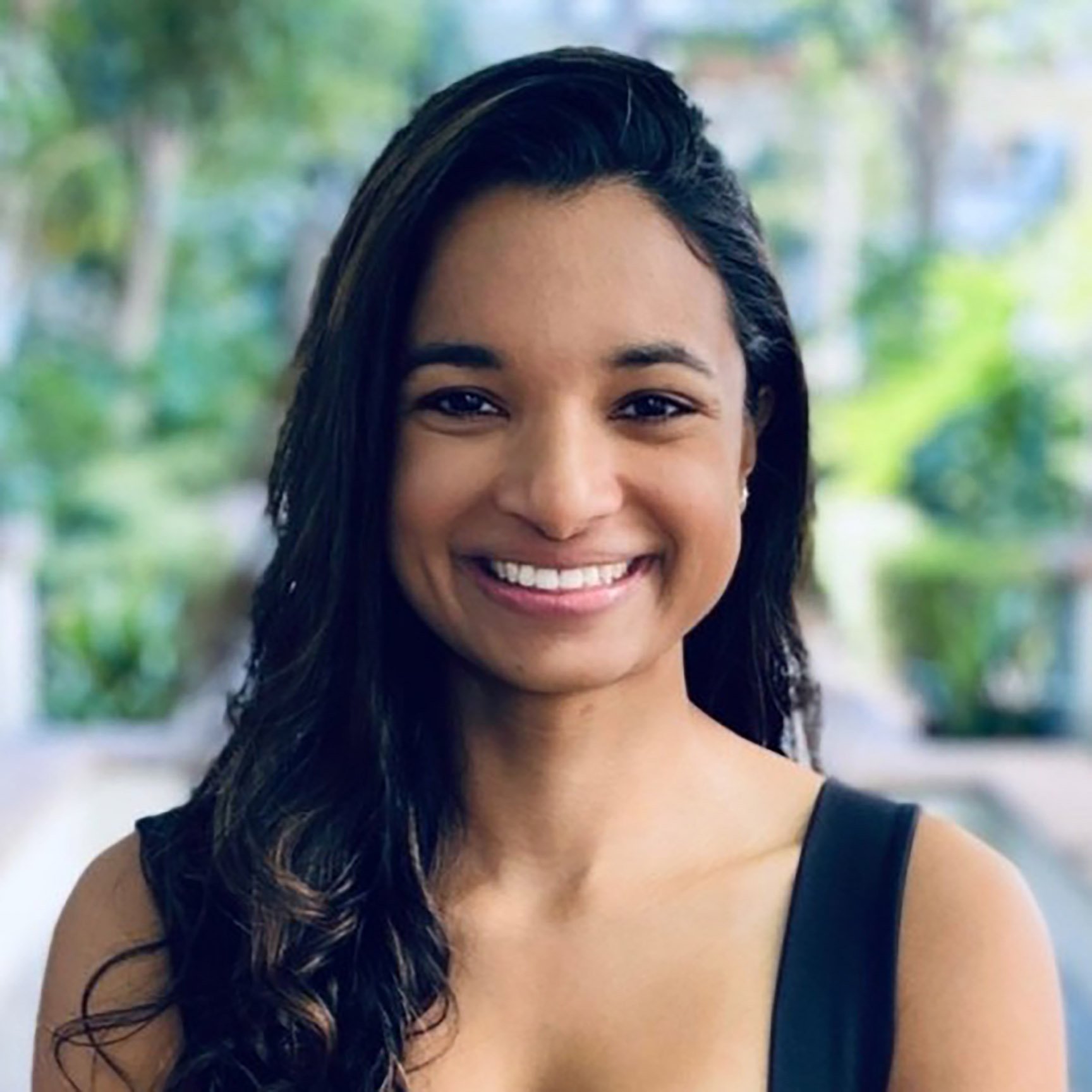
Nishita Deka is co-founder and CEO of Sonera, an early-stage startup aiming to advance our understanding of the human mind by developing high-performance commercially viable brain-computer interfaces. She leads efforts to commercialize the company’s proprietary sensing technology, with potential to advance multiple industries, including personal computing, healthcare and defense. Previously, she earned a Ph.D. in Electrical Engineering and Computer Sciences from the University of California, Berkeley, with a specialty in semiconductor devices. She was supported by graduate fellowships from the National Science Foundation and Semiconductor Research Corporation. Deka also holds a B.S. in Electrical Engineering from the University of Southern California. Broadly, she is passionate about developing scalable solutions to high-impact problems through technology innovation, with a special interest in frontier tech.
Nishita Deka, Sonera
Brain Imaging, Wearable Neurotech, Machine Learning

Originally from Wisconsin, Phil is a microbiome scientist turned first-time entrepreneur. He’s the inventor of many of the key technologies powering Holobiome, and is an expert in the field of the human microbiome, with a special focus on the gut-brain-axis. He was supported by one of the first grants in the Human Microbiome Project, and received his PhD in Biology in 2016 at Northeastern University. His graduate work was focused on unraveling the complexities of the human microbiome, resulting in publications in top journals like Nature, Nature Microbiology and Microbiome. He is now CEO at Holobiome, a platform biotech company that’s mapping how our microbes impact our biology and developing solutions from that knowledge in the form of consumer products and drugs. He's raised millions in venture financing, secured multiple corporate partnerships (including Kenvue, Unilever, and a major neuro pharma), and won grants from the Translational Space Institute for Space Health (TRISH), the National Institute of Neurological Disease and Stroke, the National Institute of Digestive and Kidney Disorders, among others. He’s also a Termeer Fellow, a mentorship network started by the legendary CEO of Genzyme, Henri Termeer.
He believes we are here today because of our microbes, and our best future will be empowered by them.
Philip Strandwitz, Holobiome
Gut-Brain Axis, Microbiome, Mental Health

Jacob Robinson, CEO of Motif, is an Associate Professor in Electrical & Computer Engineering and Bioengineering at Rice University and an Adjunct Associate Professor in Neuroscience at Baylor College of Medicine. His research group uses nanofabrication technology to create devices that can manipulate and monitor neural circuit activity. His current research interests include nanoelectronic, nanophotonic and nanomagnetic technologies to manipulate and measure brain activity. Dr. Robinson's work has been recognized by several agencies including the DARPA Young Faculty Award and the John S. Dunn Foundation Collaborative Research Award.
Jacob Robinson, Motif Neuroscience
Novel Neuromodulation Techniques, Accessible Mental Health Care
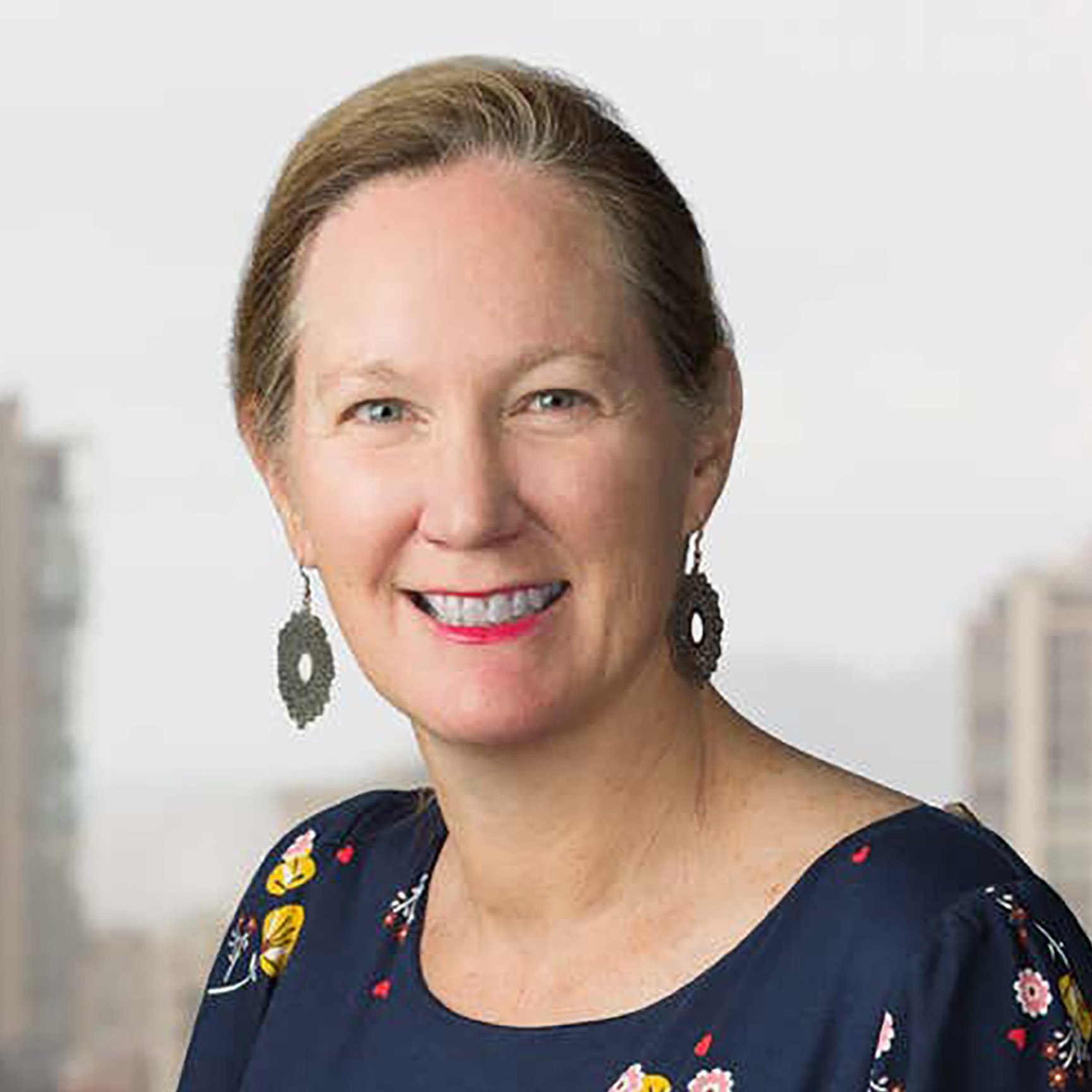
Susan Mac Cormac is a partner of global law firm Morrison & Foerster, serving as co-chair of the energy and clean technology groups.
Mac Cormac’s work focuses on advising innovative, forward-thinking sustainable and renewable energy companies and investors on corporate structure, equity and debt financings, mergers, acquisitions, asset purchases and sales, reorganizations, and joint ventures. She advises corporations on the intersection of fiduciary duties and environmental sustainability as well as disclosure around ESG. She has particular expertise on ensuring energy, sustainability, and other investments have positive impact through use of new corporate forms, hybrids, alternative debt and equity instruments, and disclosure.
Susan MacCormac, Morrison Foerster
Sustainable Innovation, Impact Investing, Social Enterprise
BREAKOUT DISCUSSION MODULES
Special breakout discussions allow attendees to go deeper on specific topics. Roundtables with 8-12 participants convene around preselected BrainMind topics with brilliant subject matter experts who are leaders in their respective fields. The breakouts are designed to encourage conversation and collaboration with presenters and other great minds.
Breakout discussion topics this year’s Summit include:






DISCUSSION LEADERS

Workshop: Practical Tools for Responsible Innovation in Neurotechnology
Laura Kreiling, Ph.D. (OECD)
Karen Rommelfanger Ph.D. (Institute of Neuroethics)
Nita Farahany, J.D., Ph.D. (Duke)

Alzheimer’s Prevention Panel: ABC’s of Neurodegenerative Disease Prevention and the Impact of APOE4
Richard Isaacson, M.D. (Institute of Neurodegenerative Disease of Florida, Atria Institute)
Gayatri Devi, M.D. (Northwell Health)
Nicholas Ashton, Ph.D. (University of Gothenburg)

Neuroelectronic Medicine: A Glimpse into Future Neurotechnologies
John Donoghue, Ph.D. (Brown)

Precision Neuropsychiatry: A Circuit-Centric Approach
Andy Krystal, Ph.D. (UCSF)

Scrolling Minds: Social Media's Influence on Brain Development
Eva Telzer, Ph.D. (UNC Chapel Hill)
Mitch Prinstein, Ph.D. (UNC, American Psychological Association)
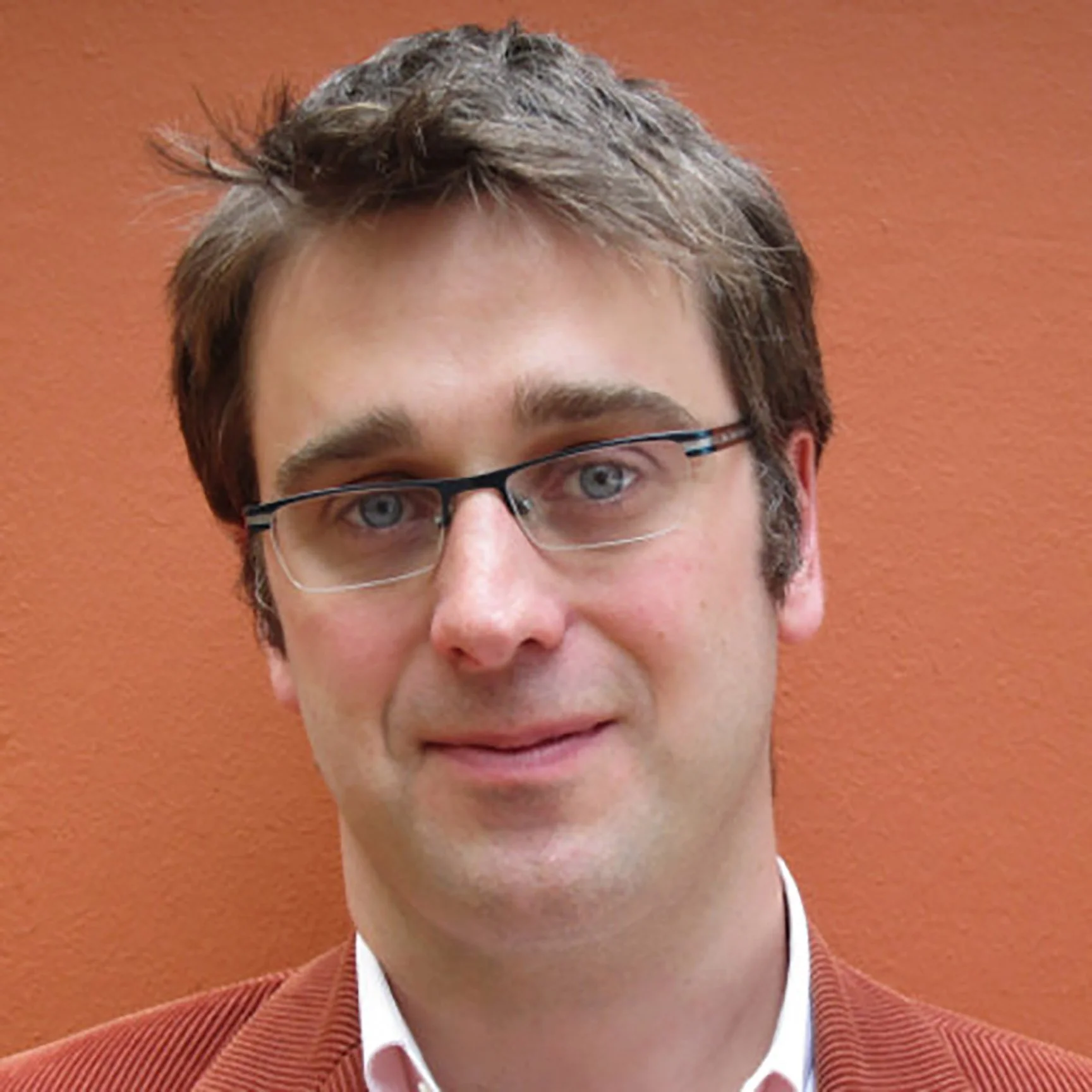
Psychedelic Science: Current Research, Transformative Health Solutions
Josh Woolley, M.D. (UCSF)

Unlocking the Brain Connectome: Tools and Applications
Jun Axup, Ph.D (E11 Bio)
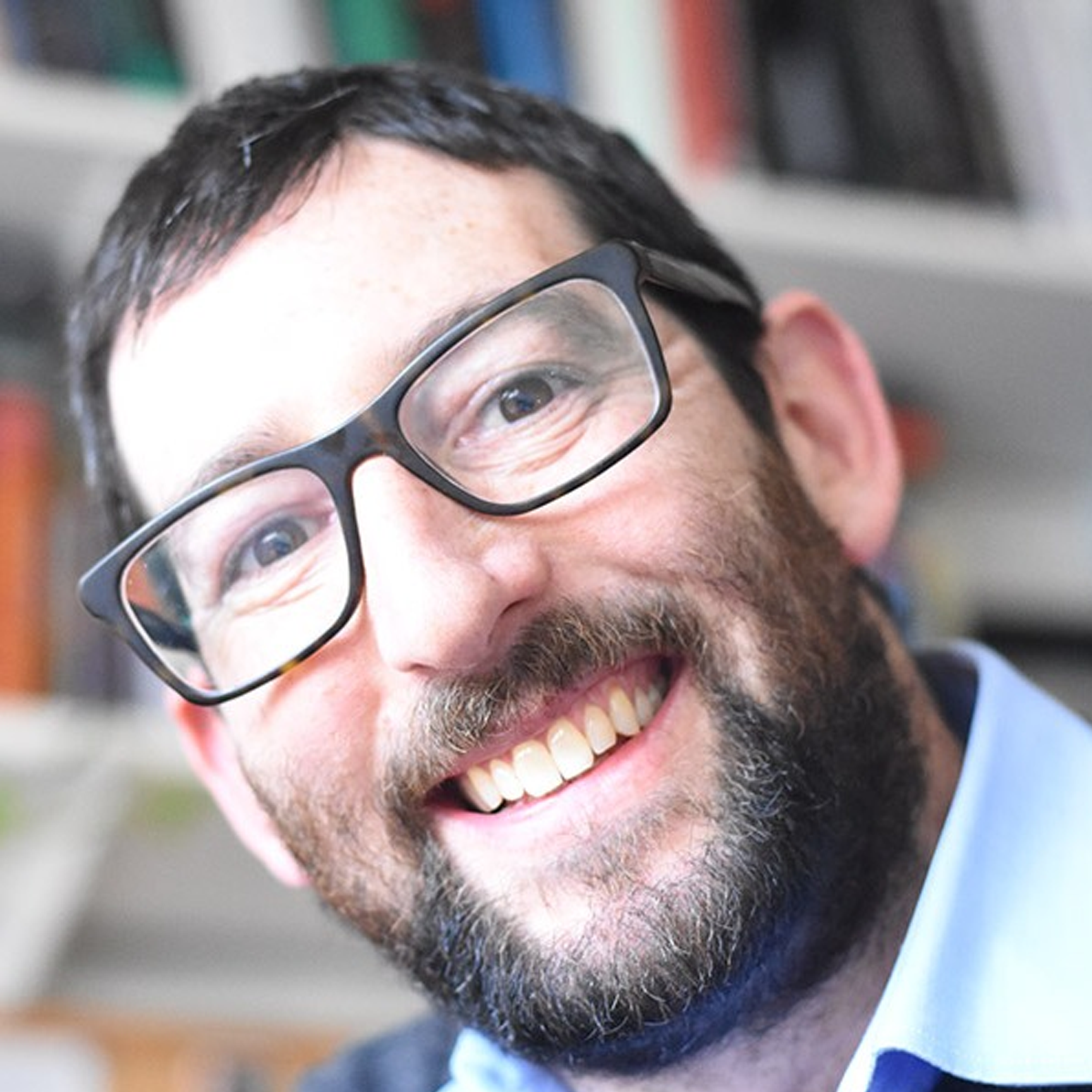
Transcending the Self: Decoding Non-dual States through Meditation and Psychedelics
Dave Vago, Ph.D. (Vanderbilt, Harvard)

Investing in Neurotechnology
Amy Kruse, Ph.D. (Satori Capital)

Building Teen Brains: The Science of Meaningful Experiences
Mary Helen Immordino-Yang, Ph.D. (USC)

Rapid Acting Neuromodulation for Psychiatric Emergencies
Nolan Williams, M.D. (Stanford)
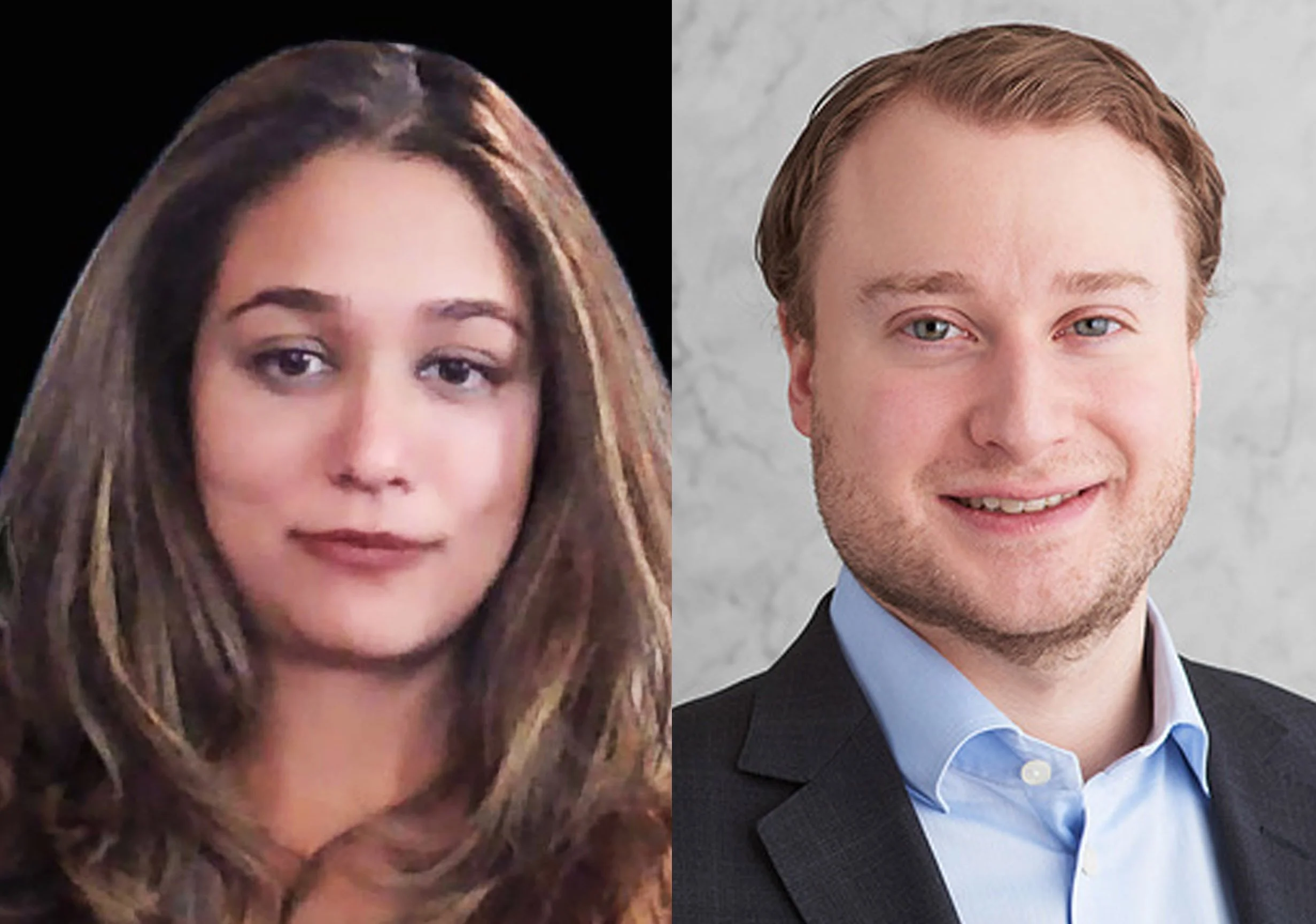
NeuroTech Ventures: Maximizing Potential and Minimizing Risks
Radhika Gupta, MBA, CFA (NTX Services)
Adam Sefler, CPA, CFA, CAIA, PRM (NTX Services)
Note: All Spotlight Entrepreneurs will also lead Breakout Discussion Tables on Sunday:
Impact Compass for Companies
Susan MacCormac, J.D., Morrison Foerster
Mining the Microbiome to Improve Brain Health
Phil Strandwitz, Ph.D., Holobiome
Beyond Action Potentials: Intricacies of Nervous System Energy Delivery
Blake Gurfein, Ph.D., Humanity Neurotech
Advancing Neuroscience: Next-Generation Brain Imaging Tools
Nishita Deka, Ph.D., Sonera
Minimally Invasive Devices for Advancing Mental Health
Jacob Robinson, Ph.D., Motif Neurotech
Transforming Women's Reproductive Mental Health: Insights from AI and Epigenetics
Vivienne Ming, Ph.D., Dionysus Health