

Innovation vs. Regulation
In an exciting but morally precarious field of cognitive enhancement, how do we manage encouragement of innovation’s momentum vs. mitigating its potential negative effects?
Technologies like brain stimulators, access to real-time brain data through headsets, and video games that can enhance cognitive abilities produce a sense of excitement and forward motion. As we have already seen with the advent of social media, momentum in entrepreneurship historically outweighs concerns of ethics and long-term impact on mental health. Due to the economic gain and rapid progress at our fingertips, the tech world leans towards the “move fast and break things” approach, awakening regulators to the dangers that come from leaving humanistic concerns to retrospect.
Organizations like UNESCO and the OECD are already developing neuroethics guidelines that anticipate potential ethical and health problems. So far, these guidelines are not directly represented in national policy.


-
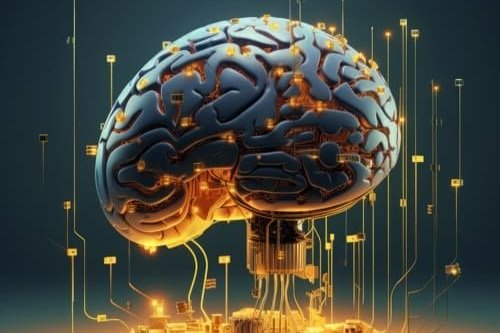
The speeds of technological innovation and ethical regulation are out of sync. Scientists/entrepreneurs are gaining momentum before policymakers can fully anticipate the consequences of their actions. While some regulations are out there by UNESCO, the OECD, and other international stakeholders, they are not directly enforceable in the form of laws; entrepreneurs themselves have to decide to follow the guidelines for everyone’s collective benefit.
Read a study by neuroethics expert Karen Rommelfanger about how to reach entrepreneurs
Medical devices are stringently regulated by the FDA, and require years of robust clinical data before they are every put to use in medical settings. However, there is a huge potential for a direct consumer market for similarly impactful technology that leaves regulation up to the customers themselves, as government regulations do not reach the private sector in the same way. If companies don’t have to be transparent about how the product works and where it can go wrong, will the general public be able to catch the errors in time?
-
There are some methods of regulation that will reach entrepreneurs much more effectively than others. Too much restriction could dampen the field, or drive people to find destructive ways around the guidelines. Too little oversight, however, could leave some entrepreneurs to get carried away with the momentum of technological innovation.
Companies like Elon Musk’s "Neuralink" have faced backlash due to lack of transparency about the progress of their product. Experts feel communication comes casually on social media, rather than from reputable sources.
Musk is particularly unique in his high profile. According to Yasheng Huang from the MIT Sloan School of Management, “Musk has been able to leverage his political influence in ways that few other business leaders can. He has navigated regulatory challenges with agility.” It is therefore possible that regulators are hesitant to target Musk due to his immense social and political influence, showcasing the potential dangers and anxieties surrounding overregulation.
The problem of balance comes in here: there is danger in regulating an excited field, as well as in letting it gain too much power.
-
The term “techlash” refers to public backlash against existing technologies, usually due to concerns over ethics and well-being. This has been seen before, particularly with social media, where regulation was introduced only after its negative impacts on the public became apparent and, more significantly, after public protest.
Legislators have so far taken a hands-off approach to neurotechnology, which may produce a similar timeline. Things like the US BRAIN Initiative and the EU’s Human Brain Project encourage innovation; competition in the market could lead the private sector to ignore ethical concerns for the sake of “making it”. This would put regulation in the hands of the public (a hefty responsibility).

Emotiv Inc: A Case of Brain Data Theft


Emotiv Inc’s revolutionary device, “Insight,” collects data on the user’s cognition. Guido Girardi Lavín, Chilean senator, filed a lawsuit since he could not see his own data without a premium account (instead, only Emotiv could access it). He claimed privacy issues, including hacking of the brain and commercialization of brain data. Emotiv Inc claimed the risks were all hypothetical, and claim to be completely non-invasive. However, by their company model, their cloud maintains user data for research purposes even when they delete their account.
Why the Urgency? Rapid Neurotech Market Growth

Neurotech Reports projects that the overall worldwide market for neurotechnology products will be $12.82 billion in 2022 and will reach $38.17 billion in 2032.
Compound annual growth rate: 11.53%
Neurostimulation specifically is predicted to lead the market
A Positive Spin: Entrepreneurship for Social Impact
Rather than a limitation or dampening “rule,” neurotech ethics can actually provide momentum for social impact.
According to research by the World Economic Forum, most entrepreneurs in the space are aware of neuroethics and motivated by the possibilities of neurotechnology to make a positive impact. While it is important to beware of the outliers, this data is a good sign for potential implementation of neuroethics in the private sector.
The WEF recommends 3 steps for entrepreneurs in neuroscience:
Develop an Actionable Neuroethics Strategy
Raise Awareness with Impact Investors
Learn to navigate proactively, not reactively
Read the full WEF article: “How neuroethics can advance innovations for positive social impact”
Consider…
