

ECOSYSTEM MATCHMAKING
BrainMind acts as the connective tissue between scientists, entrepreneurs, and funders. Our ecosystem runs more than 5,000 members deep, and within it sit more than 1,300 active investors. Admission is by invitation and review.
The ecosystem advances through curated gatherings, warm introductions, and rigorous, data-driven matching across the network. Its purpose is to bring the field's most consequential ideas to early-stage capital: to carry dormant research toward formation, and promising companies toward funding.
Between promising research and the patients it could serve lies the Valley of Death, the stage at which most discoveries stall for want of capital and partnership. BrainMind's connection engine exists to close that gap. Because we understand the priorities of the investors within our network, a BrainMind ecosystem founder who comes to us raising is matched only with those genuinely suited to the science, the stage, and the moment.
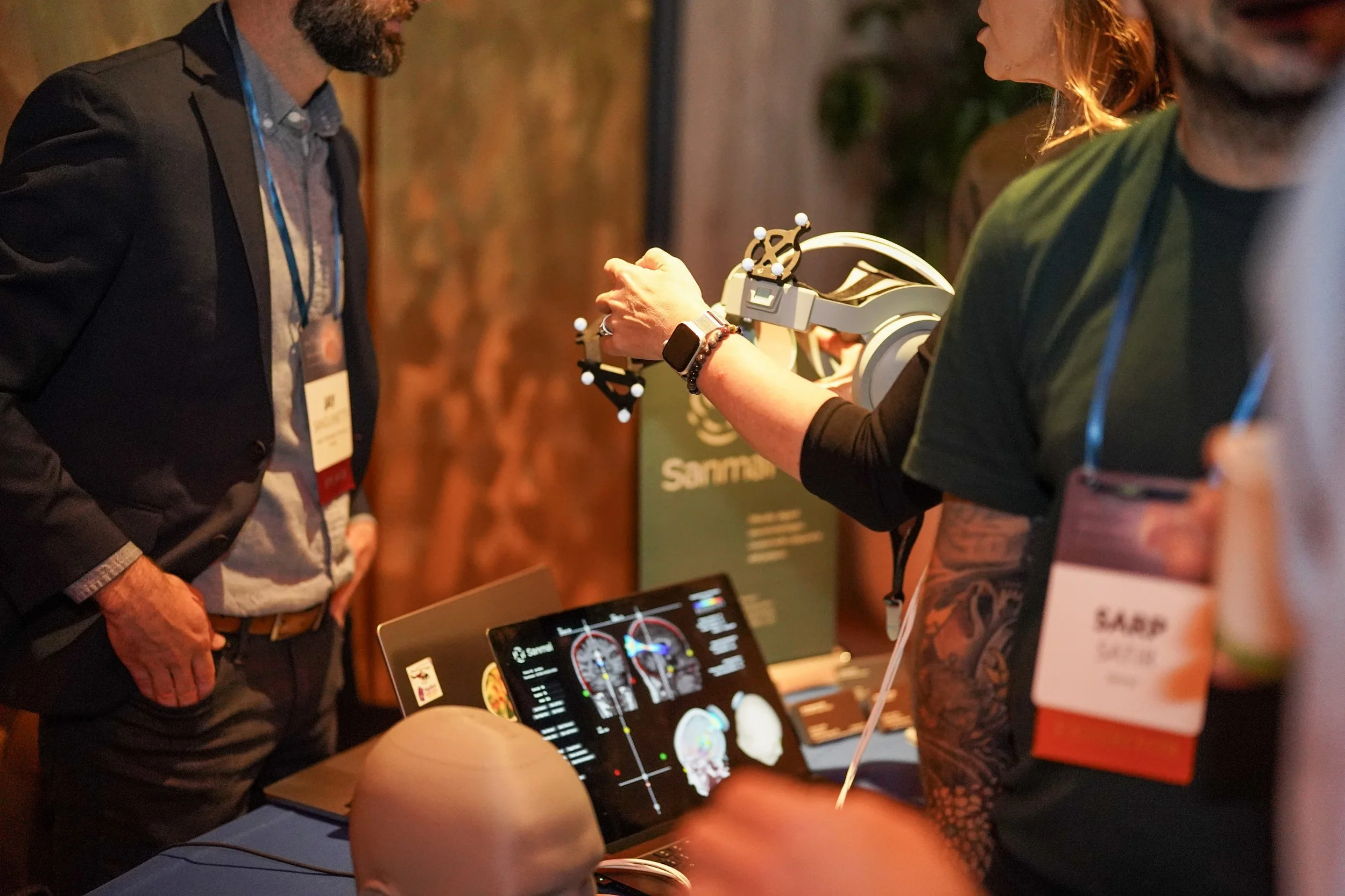
Sanmai Technologies, a BrainMind grantee, presenting their tech at the BrainMind Special Forum, 2024.
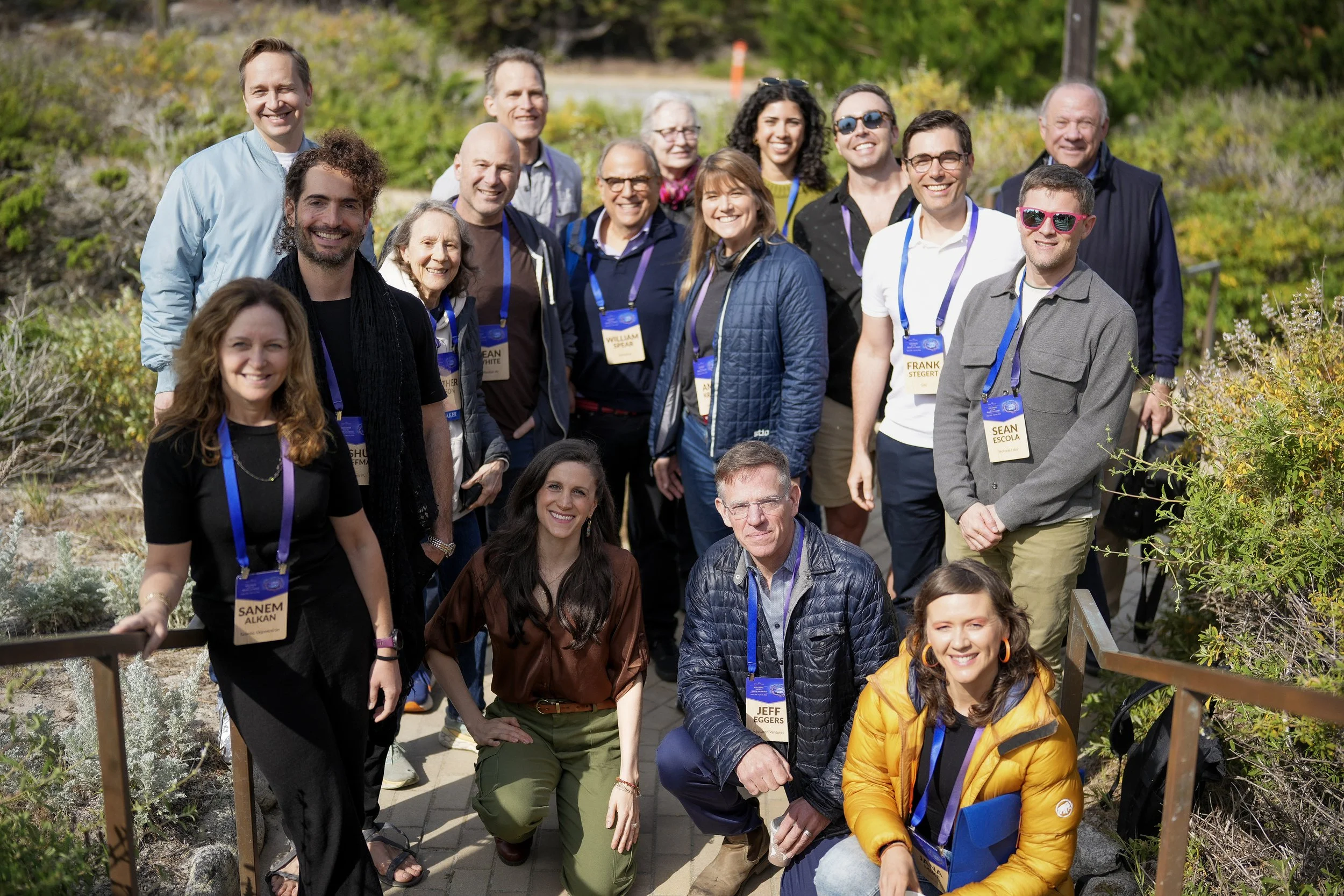
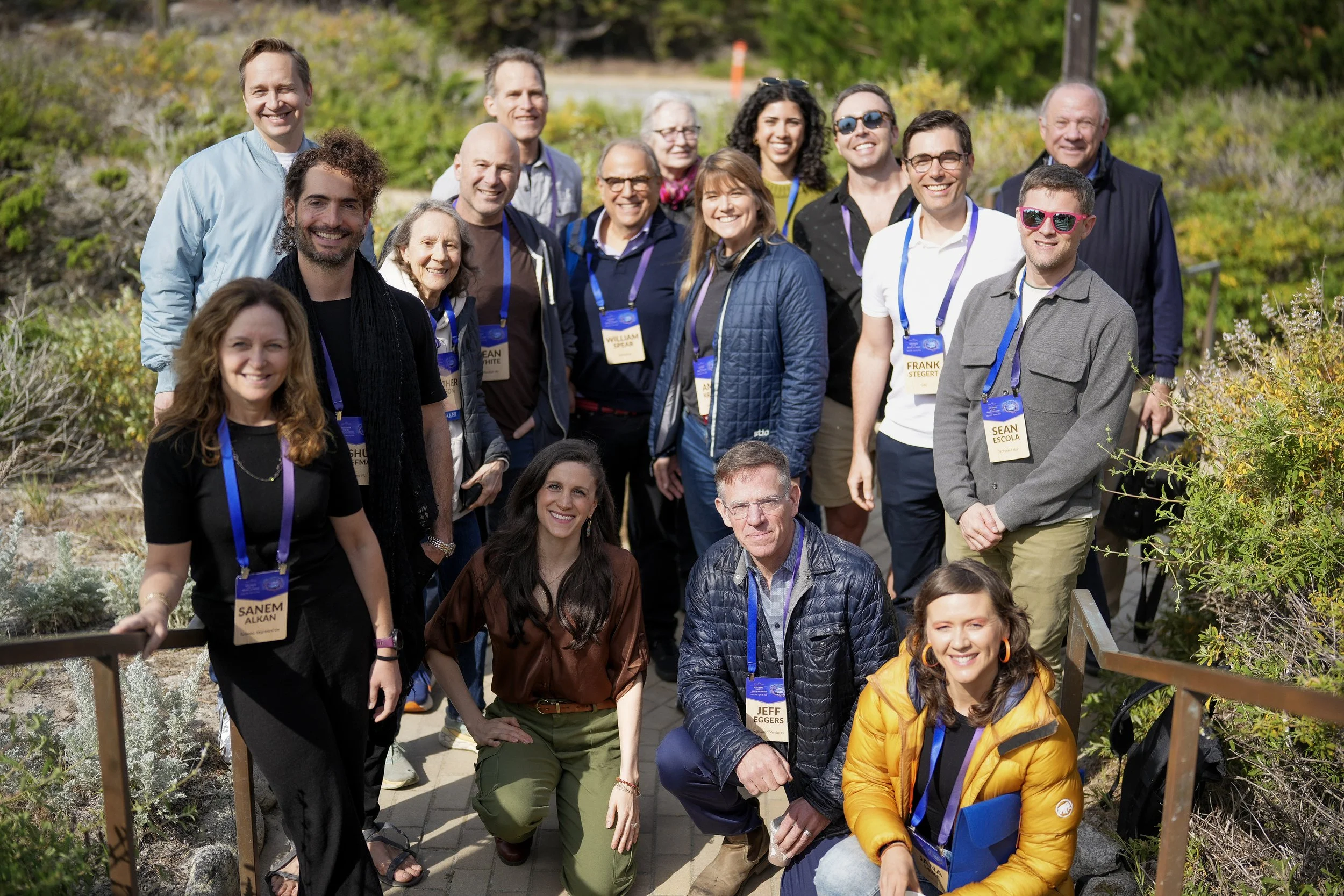
The Braingels, an angel investment group spun on of BrainMind at Asilomar for the Brain and Mind, 2026
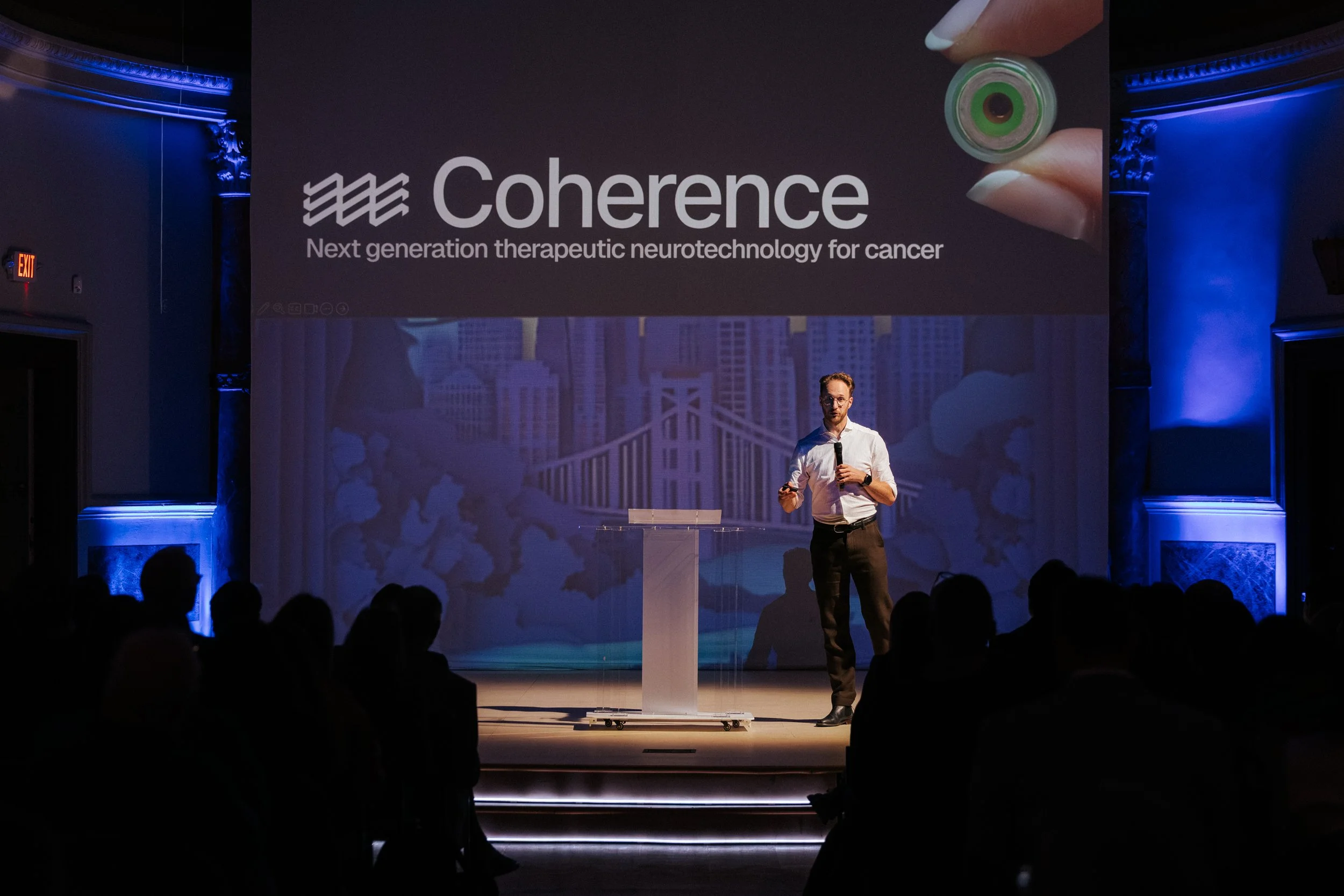
Ben Woodington from Coherence Neuro, who presented a lightning pitch at BrainMind’s 2026 JPM: Bending the Arc of Neuroinnovation.
Matchmaking Methodology
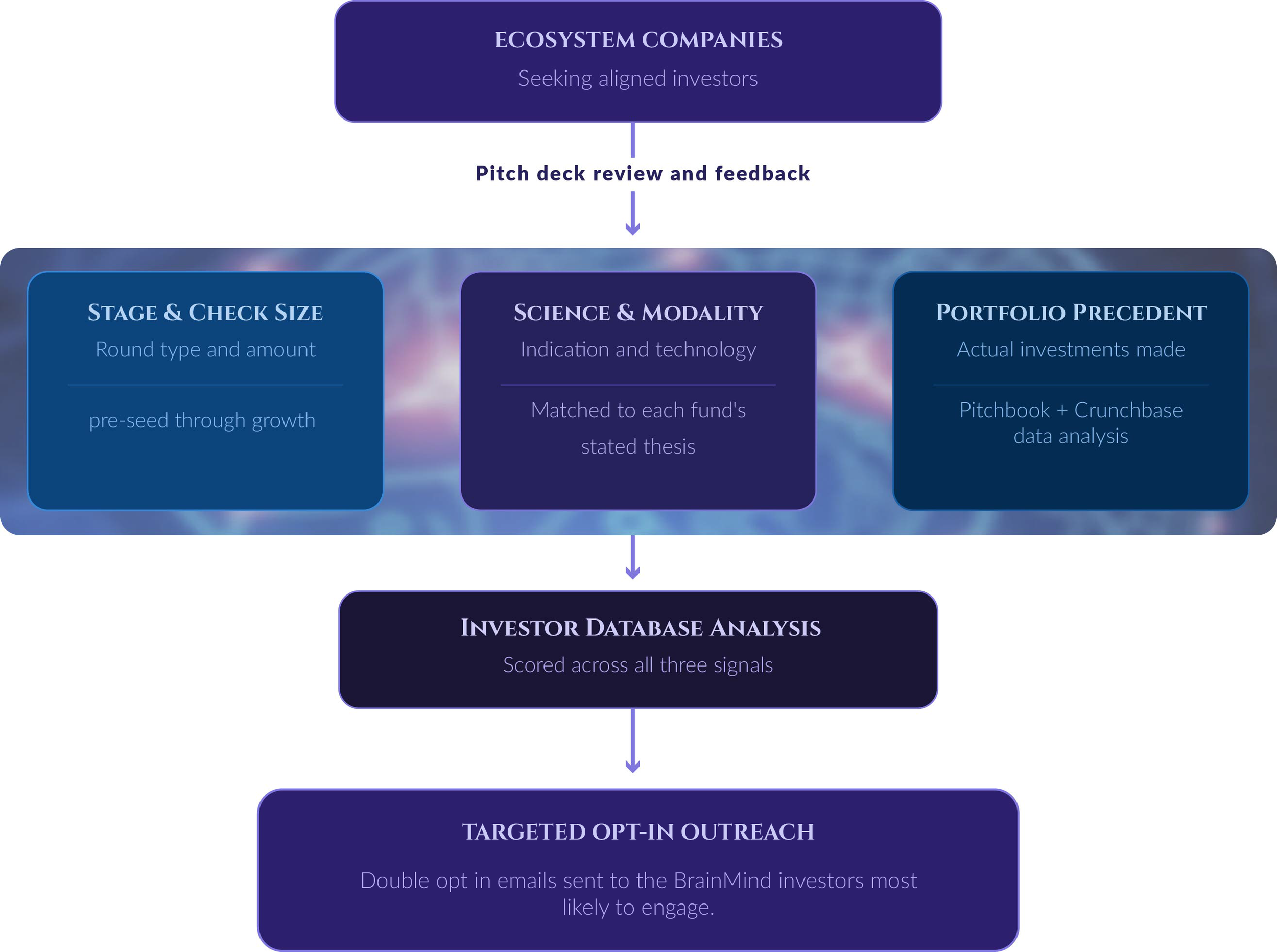
Companies admitted into the ecosystem gain assistance in identifying potential funders. Each investor search rests on a disciplined, data-driven methodology built on three criteria:
Stage and check size. The round type and size, from seed through later growth, assessed against the stages at which each fund actually invests.
Science and modality. The indication, modality, and underlying technology, evaluated against each investor's stated thesis.
Portfolio precedent. Each investor's portfolio history, including prior investments in comparable companies and shared academic origins, drawn from PitchBook and Crunchbase.
BrainMind directs targeted outreach to the investors most likely to engage with a given company. We perform double opt in introductions, meaning no intros are made without both parties agreeing to the introduction first.
BrainMind acts as an independent connector and holds no financial relationship with, or investment interest in, the companies it introduces. Its role is to facilitate connections among researchers, founders, and funders across neuroscience and neurotechnology.
Access to the most fundable brain science emerging within the field is reserved for members. Admission is by application and selective review.
The most significant ideas in brain science emerge within this ecosystem before they reach the wider market. Investors who join our network receive companies matched to their thesis, their stage, and the science they support, drawn from a community of more than 5,000 at the frontier of the field.
FAQ
Why does BrainMind match companies with investors? BrainMind's mission is to terraform the valley of death in neuroscience. Neurotechnology and neuroinnovation remain nascent within the investment ecosystem, leaving transformative science chronically underfunded. Between live events, we serve as connective tissue between capital and ideas, sustaining the relationships that move the field forward.
How does BrainMind match companies with investors? We assess our network of more than 1,300 investors, scoring each on stage fit, science and modality fit, and portfolio precedent. The company then receives a ranked shortlist and targeted outreach to the strongest matches.
How do you determine which investors are the best fit? Our matching process is selective. We weigh round size, stage, indication, modality, and the underlying science against each investor's portfolio and investment history before making any introduction. As a result, investors hear from us only a few times a year, and only when the fit is strong.
Do you guarantee funding? BrainMind's role is to facilitate, not to fund. We make warm, double opt-in introductions between companies and the investors best positioned to support them, and we offer pitch support to strengthen each founder's case. The funding decision remains entirely with the investors.
How can investors join the BrainMind network? Through the form on this page. Share your stages, sectors, and check size, and we will forward the companies that align with your thesis.
What funding stages does BrainMind work across? From pre-seed and seed through Series A, Series B, and later growth rounds.
BrainMind Incubated Projects: Case Studies
Beyond investor searches, the BrainMind engine pairs entrepreneurs with the teams required to build enduring companies. We match accomplished serial entrepreneurs with leading scientists and underwrite collaboration well before a company is formed. A selection of the companies that have emerged from these connections appears below.
Braingels
Braingels is an angel investment group and community of innovators, mentors, and investors supporting early-stage ventures focused on the brain, mind, and mental health.
Website: https://braingels.org
Milestones: Founded at a BrainMind Summit in 2020; has since invested in multiple BrainMind ecosystem companies
Origin Story: Early-stage neuroscience ventures present a distinct funding challenge. Companies at the intersection of brain science and technology rarely fit the criteria of traditional venture portfolios, leaving promising founders without access to the capital, expertise, and networks needed to advance their work at a critical stage.
Braingels was established within the BrainMind community in 2020 to address this gap directly. Operating as more than a traditional angel syndicate, Braingels brings together a cross-disciplinary network of investors, advisors, and thought leaders united by a shared commitment to advancing brain-related science and technology. Founders engaging with Braingels gain not only access to early-stage capital but to substantive expert feedback and introductions across the broader ecosystem. Since its founding, Braingels has invested in multiple BrainMind ecosystem companies, establishing itself as a dedicated funding pathway for early-stage neuroscience ventures.
Sanmai Technologies
Sanmai is a public benefit corporation building the first AI-enabled, personalized, non-invasive deep brain stimulation platform to restore brain health and empower wellbeing.
Website: https://sanmai.tech
Team: Jay Sanguinetti, PhD, Founder
Milestones: BrainMind Grantee; pilot trials initiated at University of Arizona; $12 million Series A raised
Origin Story: Deep brain stimulation has long required surgery. The most powerful tools for modulating brain activity in patients with Alzheimer's disease, dementia, and cognitive decline have remained locked behind invasive procedures, inaccessible to the vast majority of people who might benefit from them.
Sanmai was founded to change that using focused ultrasound, a technology capable of reaching deep brain structures without a single incision. Founder Dr. Sanmai developed and validated the core research device with BrainMind’s help, built software capable of precisely targeting brain regions associated with cognitive decline, and designed a clinical protocol for testing the approach in patients with mild cognitive impairment and Alzheimer's disease. Sanmai has since initiated its first pilot interventions at the University of Arizona and in 2025 closed a $12 million Series A round.
ADEC Clinical Research Laboratories
ADEC Clinical Research Laboratories is a CLIA-certified diagnostics lab developing blood-based tests to detect Alzheimer's disease before symptoms begin.
Team: Richard Isaacson, MD (Institute for Neurodegenerative Diseases, Florida Atlantic University),
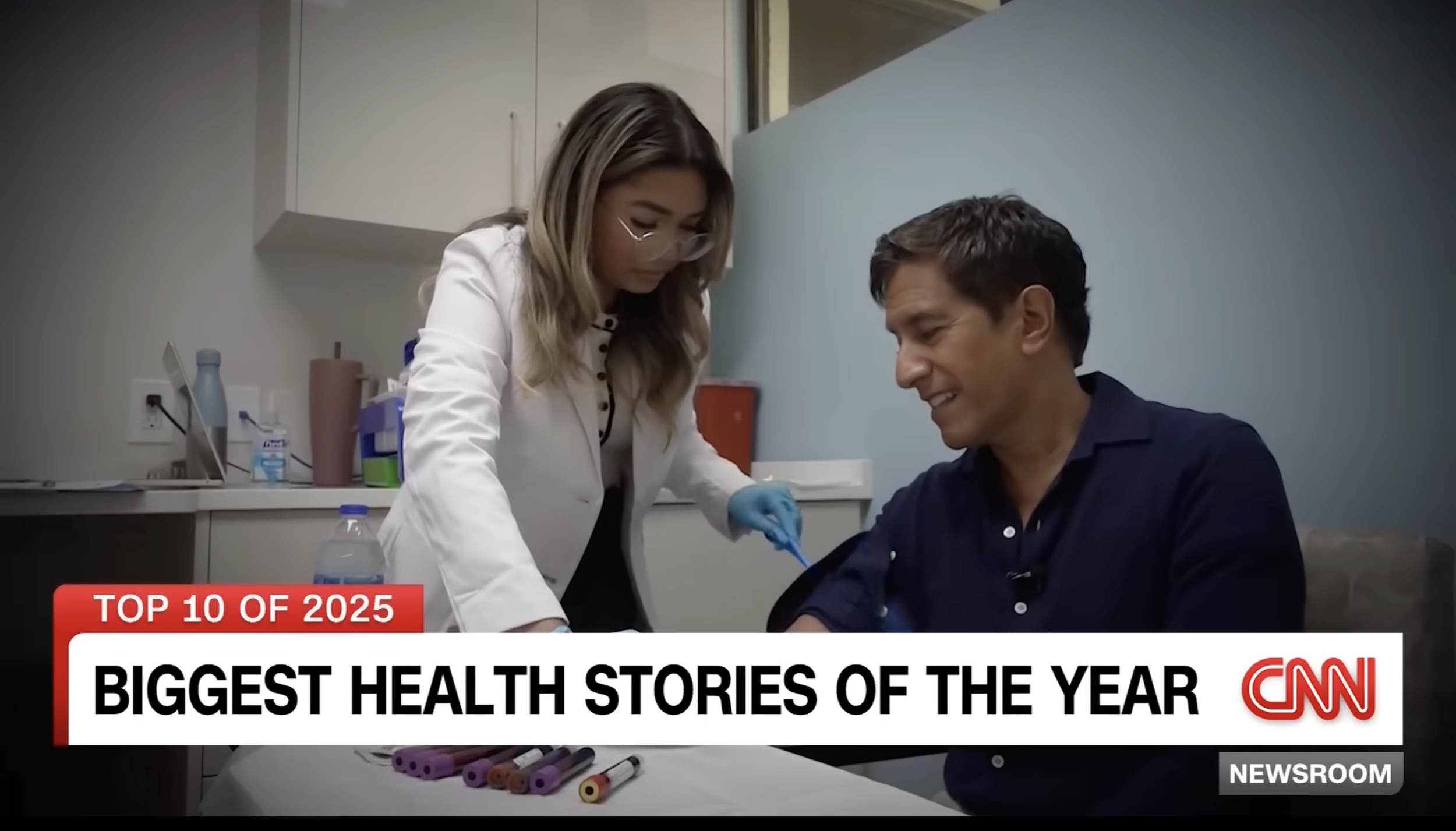
Milestones: BrainMind Grantee; CLIA certification achieved 2025; two clinical-grade blood tests brought to market. Selected as #2 in Top Ten Health Stories of 2025 with Sanjay Gupta.
Origin Story: Most people don't find out they're at risk for Alzheimer's disease until it is too late to act. The biological tests that can detect the disease in its earliest, most treatable stage have long been confined to major research hospitals, out of reach for most patients and physicians.
ADEC Clinical Research Laboratories was founded to change that. The Boca Raton-based lab develops and validates blood tests that can identify Alzheimer's-related proteins years before cognitive symptoms appear, giving patients and their doctors a meaningful window to intervene. With BrainMind's support, ADEC earned clinical certification, brought its first two blood biomarker tests to market, and developed a proprietary diagnostic tool that combines multiple biological signals into a single, more accurate risk score than any single test alone. The lab is now building toward an at-home blood testing model that would make early Alzheimer's detection as routine as a cholesterol check.
In the News:
Teal Science
TEAL Science is a preventative health company focused on toxin reduction and exposure prevention through broad-spectrum toxin testing in blood and urine, identification of likely exposure sources, personalized reduction plans and retesting.
Website: https://tealscience.com/
Team: Katharina Sophia Volz, PhD, CEO and Co-Founder; Nick Woodward, PhD, Chief Scientific Officer; Professor Gary W. Miller, Environmental health and exposome science pioneer who founded the first U.S. exposome center.
OpenMindAI: College Journey
College Journey is an AI-powered platform designed to democratize access to high-quality college counseling, helping students and families navigate the admissions process with less stress and greater self-awareness.
Website: https://collegejourney.ai
Team: Jud Brewer, MD, PhD, Co-Founder; Josh Roman, Co-Founder and CEO
Milestones: BrainMind Grantee; platform launched October 2024; over 4,000 users helped to identify best-fit schools; featured in USA Today
Origin Story: The college admissions process has become one of the most significant sources of stress for American families, yet access to quality guidance remains deeply unequal. Independent college counselors are expensive and largely inaccessible to most families, leaving students to navigate one of the most consequential decisions of their lives without adequate support.
College Journey was founded to address that gap directly. Co-founded by neuroscientist and addiction psychiatrist Dr. Jud Brewer and entrepreneur Josh Roman, the platform combines AI-powered college counseling with evidence-based tools for managing stress and anxiety drawn from Dr. Brewer's decades of neuroscience research. The platform's AI guide helps students identify best-fit schools, explore majors and careers, navigate financial aid, and build the self-awareness needed to flourish in college and beyond, at no cost to families with financial need. Since launching in October 2024, College Journey has helped over 4,000 families and has been featured in USA Today.
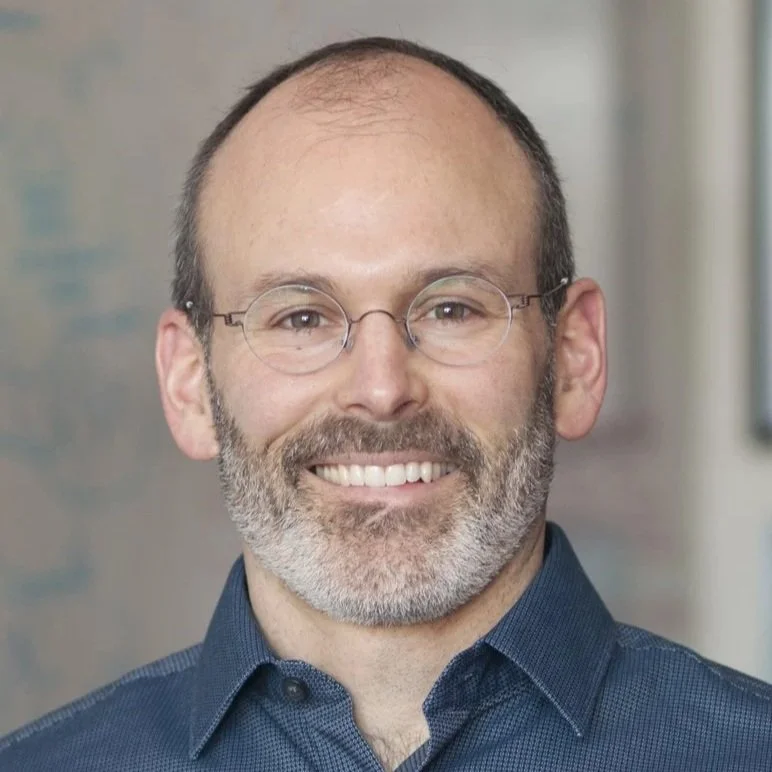
Judson Brewer, Co-founder of OpenMind AI
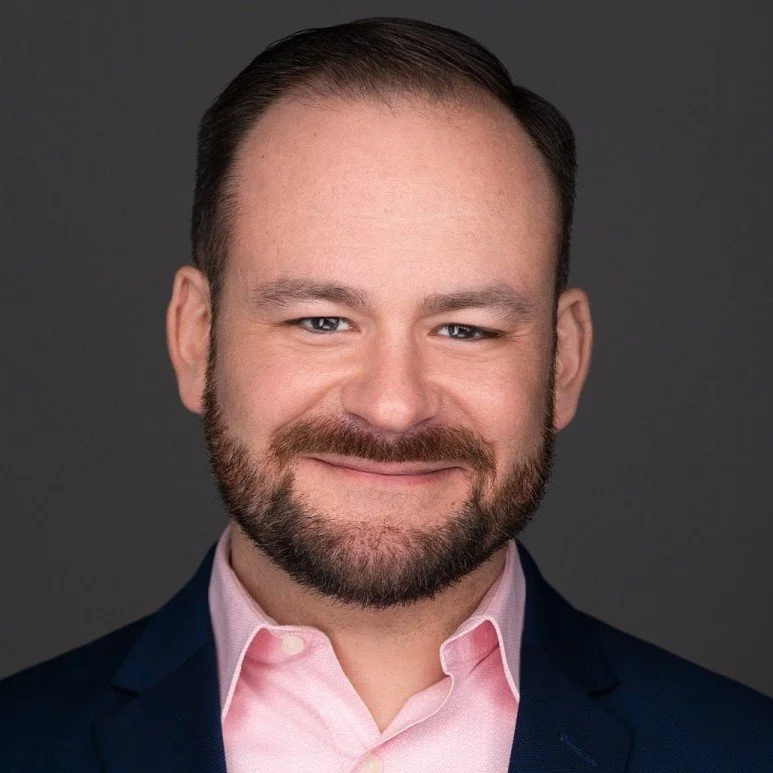
Josh Roman, CEO of OpenMind AI
RetainYourBrain
RetainYourBrain is a free, clinically-validated digital platform that helps individuals reduce their risk of Alzheimer's disease through personalized, AI-powered lifestyle interventions.
Website: https://retainyourbrain.com/#!/
Team: Richard Isaacson, MD (Institute for Neurodegenerative Diseases, Florida Atlantic University)
Milestones: BrainMind Grantee; NIH-funded randomized controlled trial demonstrated a 16% reduction in Alzheimer's risk at six months.
Origin Story: Dr. Richard Isaacson is a longtime BrainMind ecosystem member and Harvard-trained preventive neurologist who founded the nation's first Alzheimer's Prevention Clinic at Weill Cornell Medicine and NewYork-Presbyterian Hospital in 2013. His clinic pioneered the precision medicine approach to Alzheimer's risk reduction, combining personalized lifestyle guidance with biomarker tracking. The challenge was scale: even the most effective clinical protocols could reach only a fraction of the people who needed them.
RetainYourBrain was built to close that gap. The platform assesses individual risk factors across ten domains including nutrition, sleep, exercise, cognitive activity, and stress, then delivers tailored recommendations through AI-driven two-way text messaging that supports sustained behavior change. With BrainMind's support, Dr. Isaacson advanced the platform through rigorous clinical validation, culminating in a large NIH-funded randomized controlled trial of nearly one thousand participants that confirmed the tool's effectiveness. The trial is now free and publicly accessible at retainyourbrain.com.
In the News:
Dr. Richard Isaacson joins the Today show: Important Steps You Can Take to Protect Brain Health as You Age
Dr. Richard Isaacson with Anderson Cooper: ‘We can win the tug of war with our genes’
Armchair Expert with Dax Shepherd: Richard Isaacson on Alzheimers Prevention
Kicking Alzheimer’s Butt and Your Questions with Dr. Richard Isaacson
MindShift Recovery
Website: https://www.mindshiftrecovery.org
Team: Jud Brewer, MD, PhD, Co-Founder
Milestones: Over 100,000 people reached; featured in the New York Times, Forbes, Time, CNN, and the Washington Post
Origin Story: Addiction treatment has long been defined by stigma, scarcity, and high cost. For the millions of people struggling with alcohol, substances, gambling, or compulsive behaviors, evidence-based care has remained out of reach — not because the science does not exist, but because it has never been made broadly accessible.
Dr. Jud Brewer has spent 25 years studying the neuroscience of habit and addiction, identifying how the brain's reward-based learning system drives compulsive behavior and, critically, how that system can be retrained. With BrainMind's support, he translated that research into the Mindshift Method, a three-step brain-based approach to breaking the cycle of addictive behavior without shame or judgment. MindShift Recovery delivers this method through a free app, weekly community meetings, and an eight-week live course, making clinically grounded recovery tools available to anyone with a phone. The program has now reached more than 100,000 people.
In the News:
CBS 60 Minutes — Mindfulness with Anderson Cooper: https://drjud.com/dr-jud-on-60-minutes/
TED — "A Simple Way to Break a Bad Habit" (50M+ views): https://drjud.com/a-simple-way-to-break-a-bad-habit/
The New York Times — How to Tame Your Anxiety Brain: https://www.nytimes.com/2021/06/01/well/mind/anxiety-brain.html
The Washington Post — I Tried Mindfulness to Quit Drinking. It Worked.: https://www.washingtonpost.com/news/inspired-life/wp/2018/01/05/i-tried-mindfulness-to-quit-drinking-it-worked/
NPR Hidden Brain — The Curious Science of Cravings: https://www.hiddenbrain.org/podcast/the-curious-science-of-cravings/
Reveri Health
Reveri is a new self-hypnosis program that draws on over 40 years of research and clinical experience by psychiatrist Dr David Spiegel, helping alleviate chronic-pain, smoking addiction, anxiety, and insomnia
Website: https://reverihealth.com/
Team: David Spiegel (Stanford) and Ariel Poler (Serial Entrepreneur, Angel Investor)
Milestones: Team met at BrainMind Summit at Stanford 2016, Founded 2020
Press: Big Think
Origin Story: The first company born at a BrainMind summit started with a Stanford scientist’s research using hypnotherapy to help people quit smoking. Dr. David Spiegel’s guided hypnotherapy approach was so effective that half of patients quit smoking after one face-to-face therapy session. However, without a recurring revenue business model and rapid scaling ability, Spiegel could not find investor interest to deploy this life-altering therapy, and this breakthrough was restricted to use in the lab for years. At the first-ever BrainMind Summit in 2016, Dr. Spiegel had a spirited conversation with Ariel Poler, an angel investor and entrepreneur. Overnight, Ariel coded an Alexa Skill for Spiegel’s hypnotherapy program that could be invoked by any of the 100 million Alexa-enabled devices in the world. Any of the millions of smokers in the world can now tell their enabled devices “Hypnosis Quit Smoking” and immediately receive hypnotherapy. Since then, they've expanded the capabilities to include programs for anxiety, chronic-pain, and insomnia.