
Startup Salon Speaker Pitches
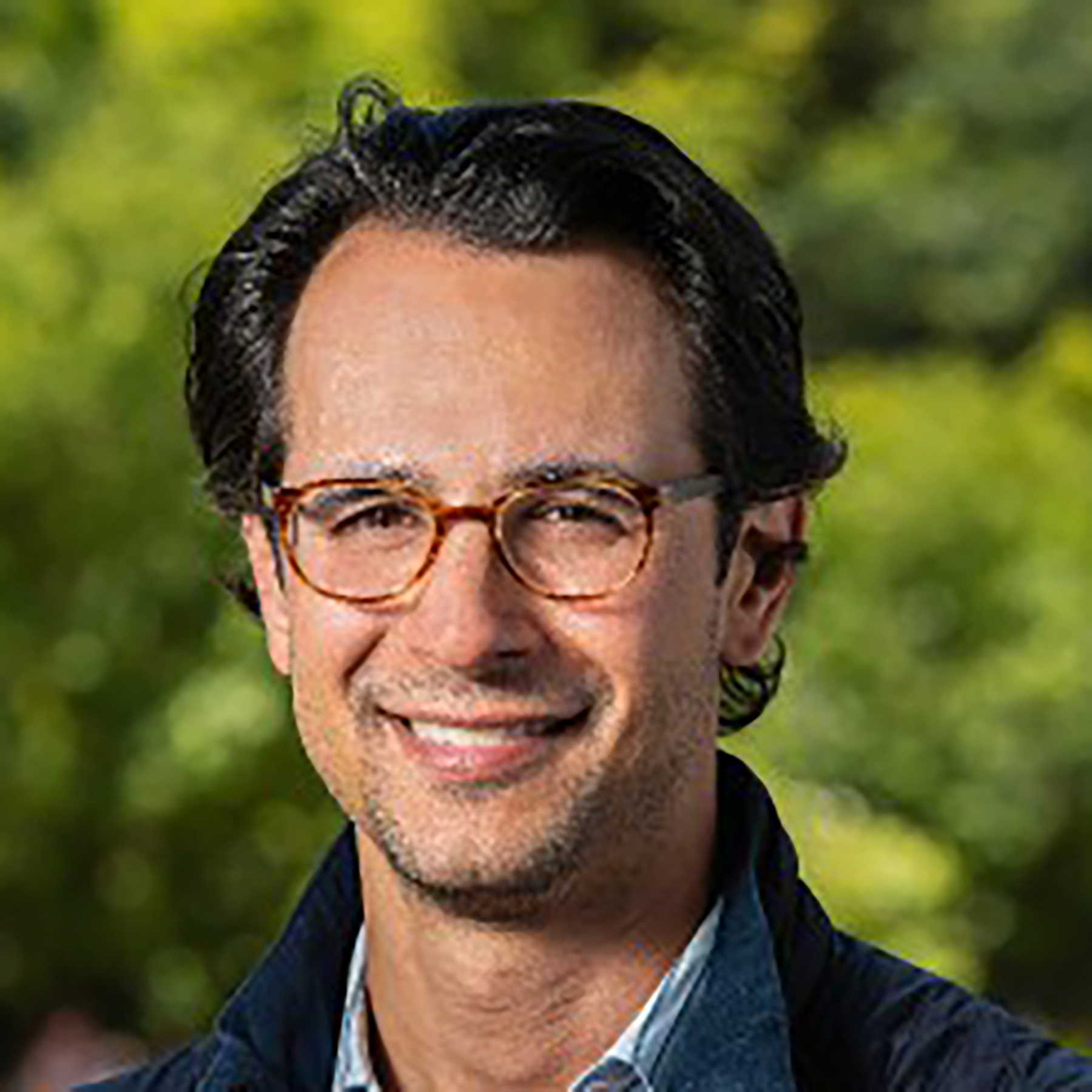
Casey H. Halpern, M.D., is Professor of Neurosurgery and Division Head of Stereotactic and Functional Neurosurgery at the University of Pennsylvania. Dr. Halpern's clinical focus is in the treatment of movement disorders such as Parkinson's, tremor, dystonia, and Tourette, as well as epilepsy, and psychiatric disease. He has a particular interest in preclinical studies and developing clinical trials to expand indications for deep brain stimulation and other novel brain surgical therapies. He is examining the role of targeting the reward circuitry of the brain with focused electrical stimulation, studies that could lead to possible treatment of neurologic and psychiatric conditions as well as obesity.
Casey Halpern - Penn Medicine,
SynchNeuro, Inc
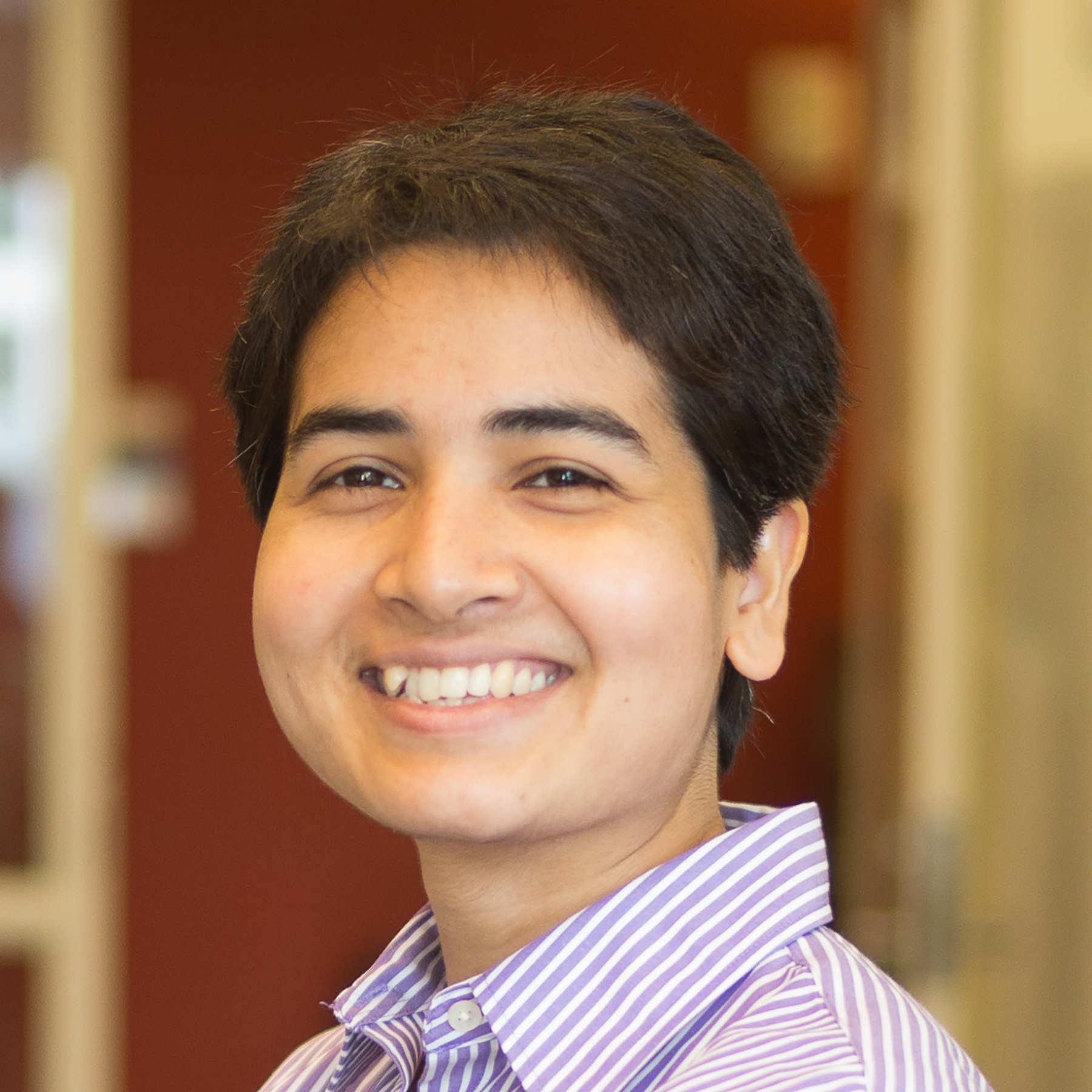
Deblina Sarkar - MIT, Cahira
Technologies
The Kreiman laboratory focuses on elucidating the neural circuits and computational mechanisms underlying visual intelligence. The lab combines invasive neurophysiological recordings in the human brain, behavioral experiments and computational modeling to understand the neuronal circuits, algorithms and computations performed by the visual system. Examples of recent investigations include deciphering the algorithms to make inferences from partial information (pattern completion), transformation-invariant mechanism for visual recognition, decision-making, reinforcement learning, and the formation of episodic memories.
These research efforts will help alleviate prevalent cognitive disorders, which afflict millions and have proven resilient to other approaches. Furthermore, these efforts will help develop biophysically-inspired computational approaches to artificial intelligence.
Gabriel Kreiman - Harvard, Memorious
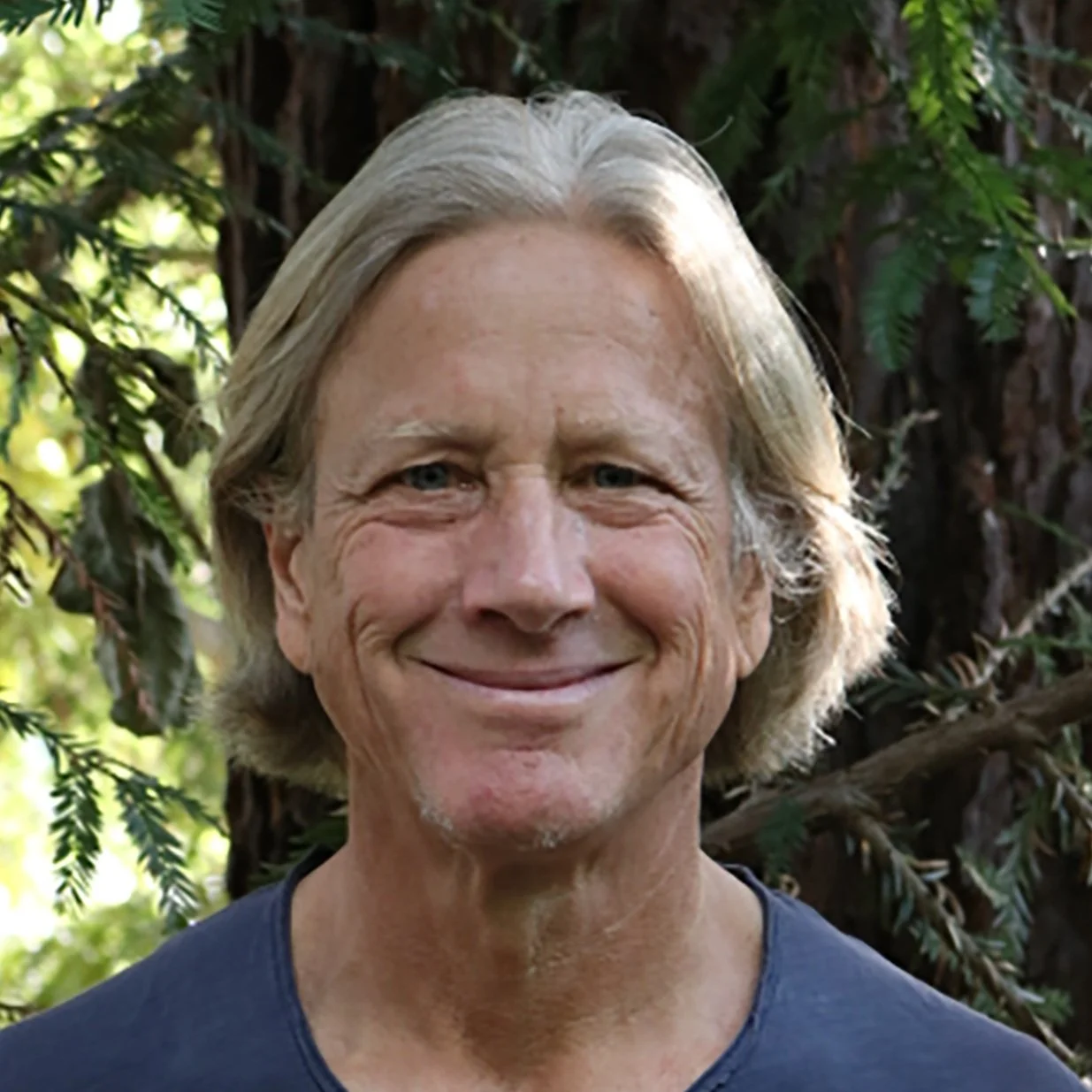
Dr. Keltner is one of the world’s foremost emotion scientists.
He is a professor of psychology at UC Berkeley and the director of the Greater Good Science Center. He has over 200 scientific publications and six books, including Born to Be Good, The Compassionate Instinct, and The Power Paradox. He has written for many popular outlets, from The New York Times to Slate. He was also the scientific advisor behind Pixar’s Inside Out, is involved with the education of health care providers and judges, and has consulted extensively for Google, Apple, and Pinterest, on issues related to emotion and well-being.
Dacher Keltner - UC Berkeley
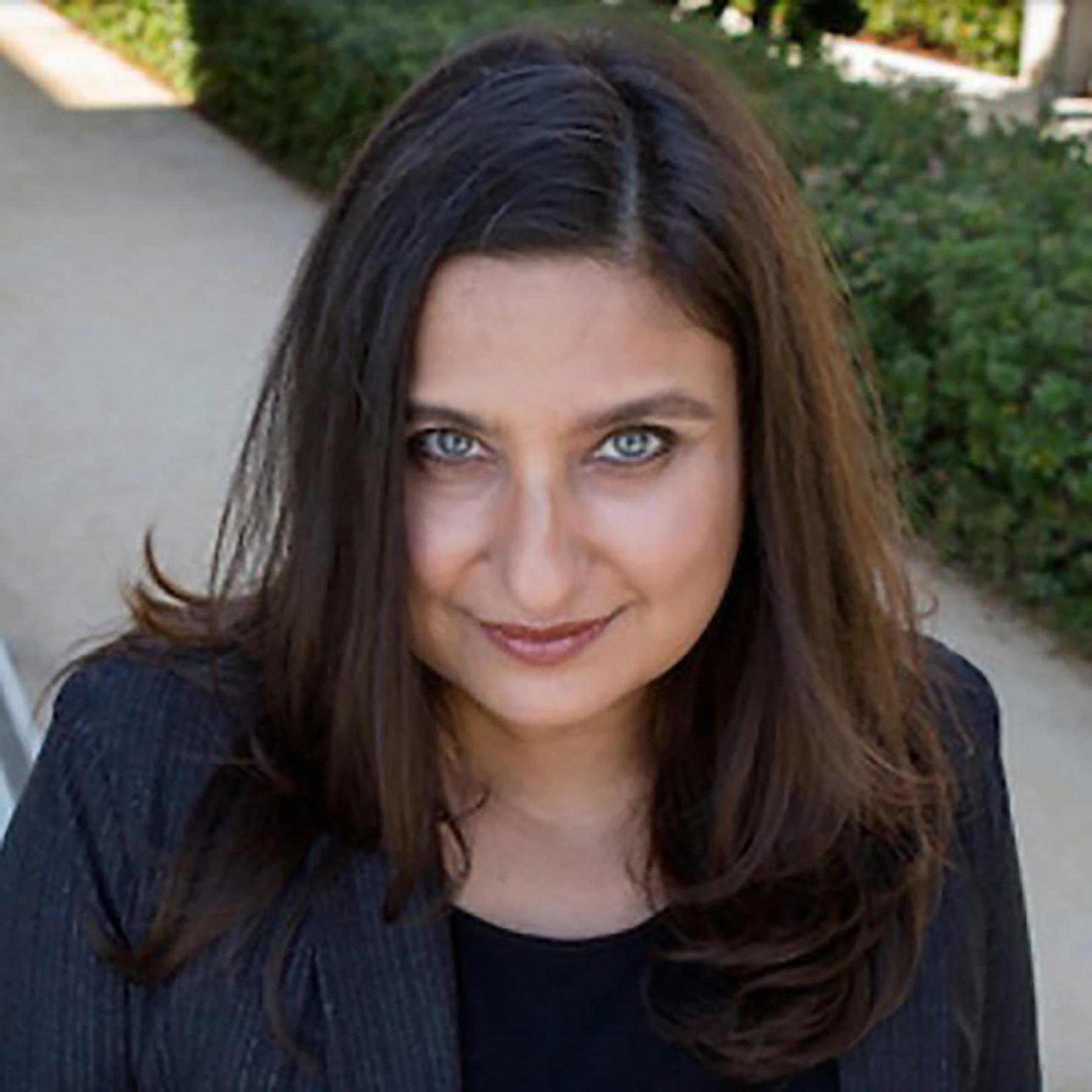
Divya Chander, MD, PhD is a physician, neuroscientist, neuroethicist, futurist, entrepreneur and global keynote speaker. She is a practicing anesthesiologist (formerly at Stanford University Department of Anesthesiology) with specializations in neuroanesthesia and expertise in trauma and critical care. She currently serves as Chair for Neuroscience at the Singularity Group, a Silicon Valley think tank for data and technology acceleration, applications, and ethics. Dr. Chander is part of the XPRIZE Brain Trusts for Health and Space domains, designing prizes that stimulate innovation to serve billions on the planet. As a member of the Stimson Center Loomis Innovation Council, and past Fellow at the Atlantic Council Geotech Center, she is collaborating with governments and global industry to foster good data and technology policy choices for key stakeholders around the world in the area of biometric data rights, data trusts, data security, public health, and pandemic resilience. She also serves as an Advisor to the Extended Reality Safety Initiative (XRSI) and is a member of the Medical XRSI Council. Dr. Chander's expertise in neural signal processing has led to her developing mind-reading algorithms to automate tracking of states of consciousness. Her research interests center around mapping consciousness, how consciousness will be altered by human augmentation, and how mapping consciousness in humans may enable us to recognize it in non-human, intelligent beings. Dr. Chander is founder and CEO of a digital, AI-based remote brain monitoring platform to detect brain failure and to support brain health. She serves as medical, science, and technology advisor and board member to a number of companies in the medical, space life sciences, and neurotechnology spaces. Dr. Chander is also passionate about space life sciences and medicine. A finalist for astronaut selection and an alumnus of the International Space University, Dr. Chander has performed remote simulations of trauma rescues, anesthesia and surgery in Mars analogue settings, and is designing habitats and medical spaces to support human space exploration and astronaut health.
Divya Chander - Lucidify
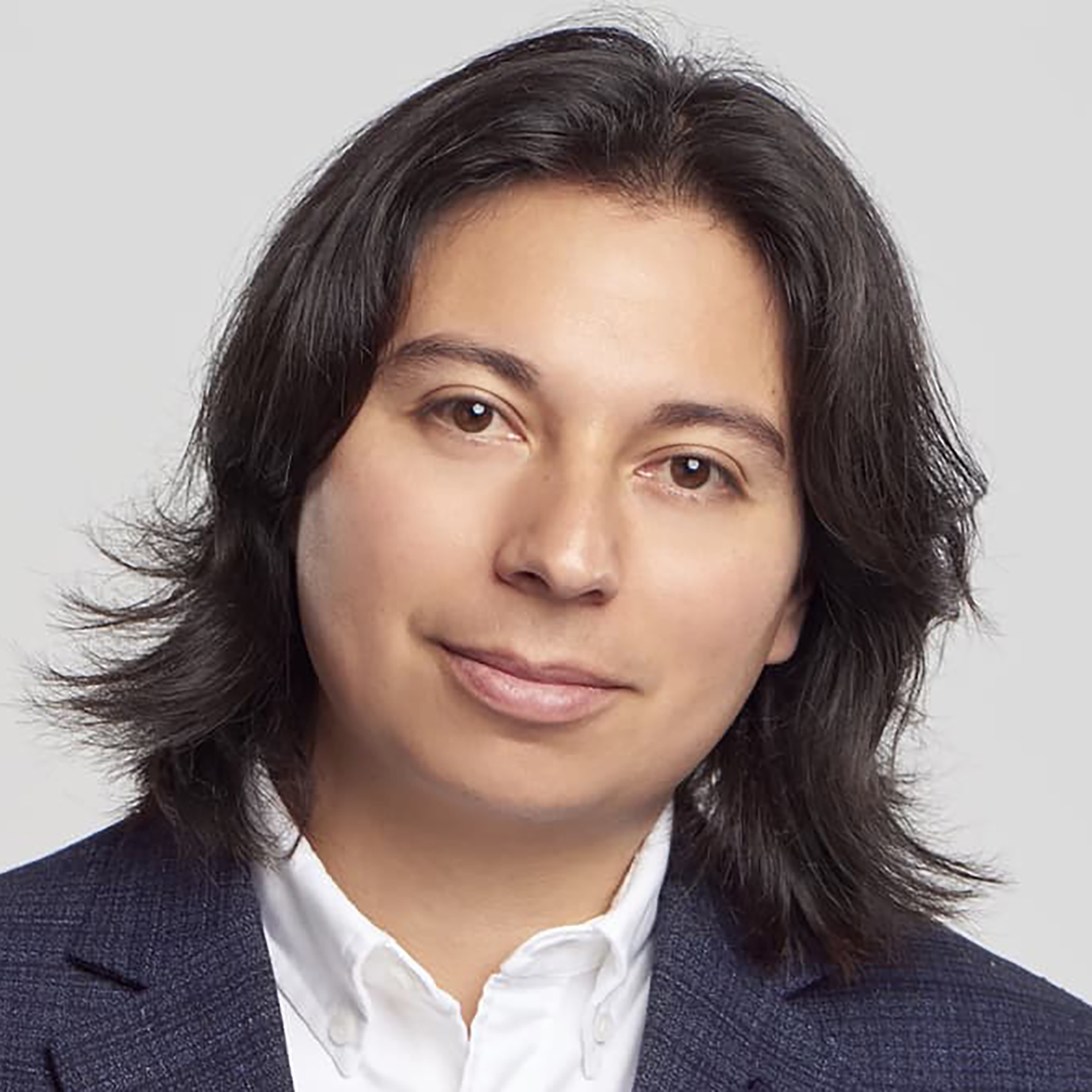
Dr. Alcaide is a neuroscientist, inventor and the CEO and founder of Neurable. As a researcher at the University of Michigan Direct Brain Interface Laboratory, he has worked extensively to develop brain-computer interface technology for people with amputations, severe cerebral palsy and amyotrophic lateral sclerosis.
Ramses Alcaide - Neurable
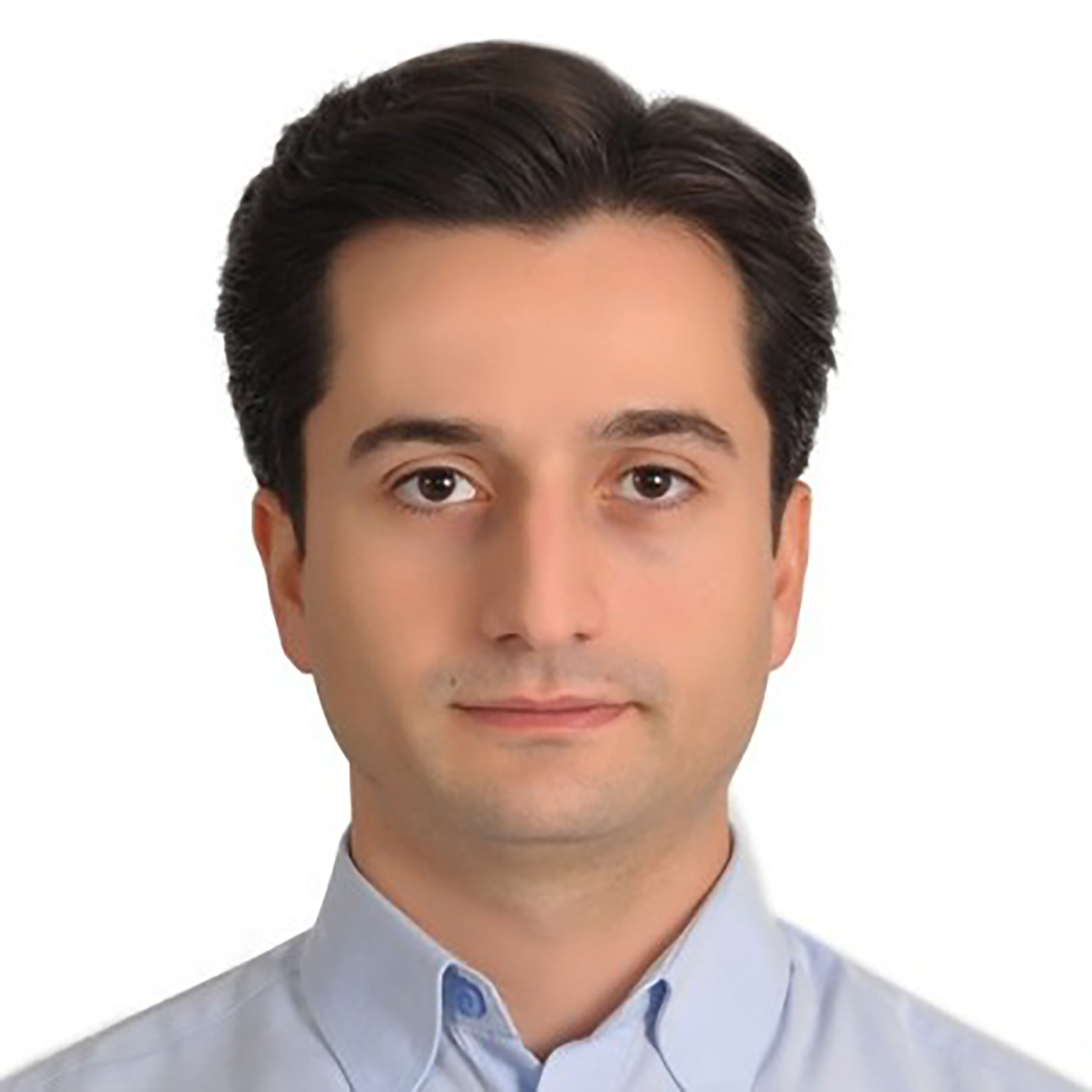
Omer Burak Ericek - Medicana
Health Group
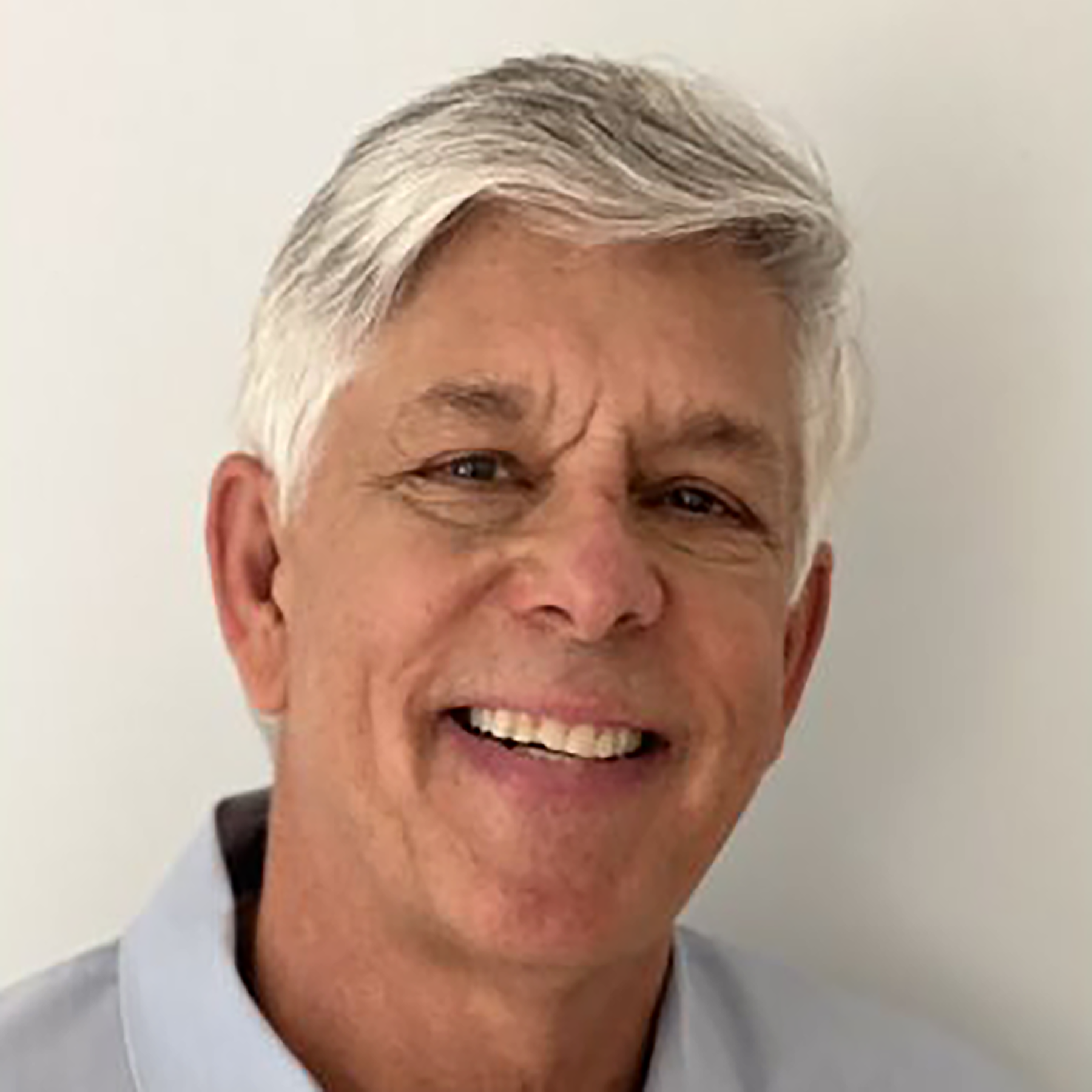
Steve Gullans - Thynk Inc
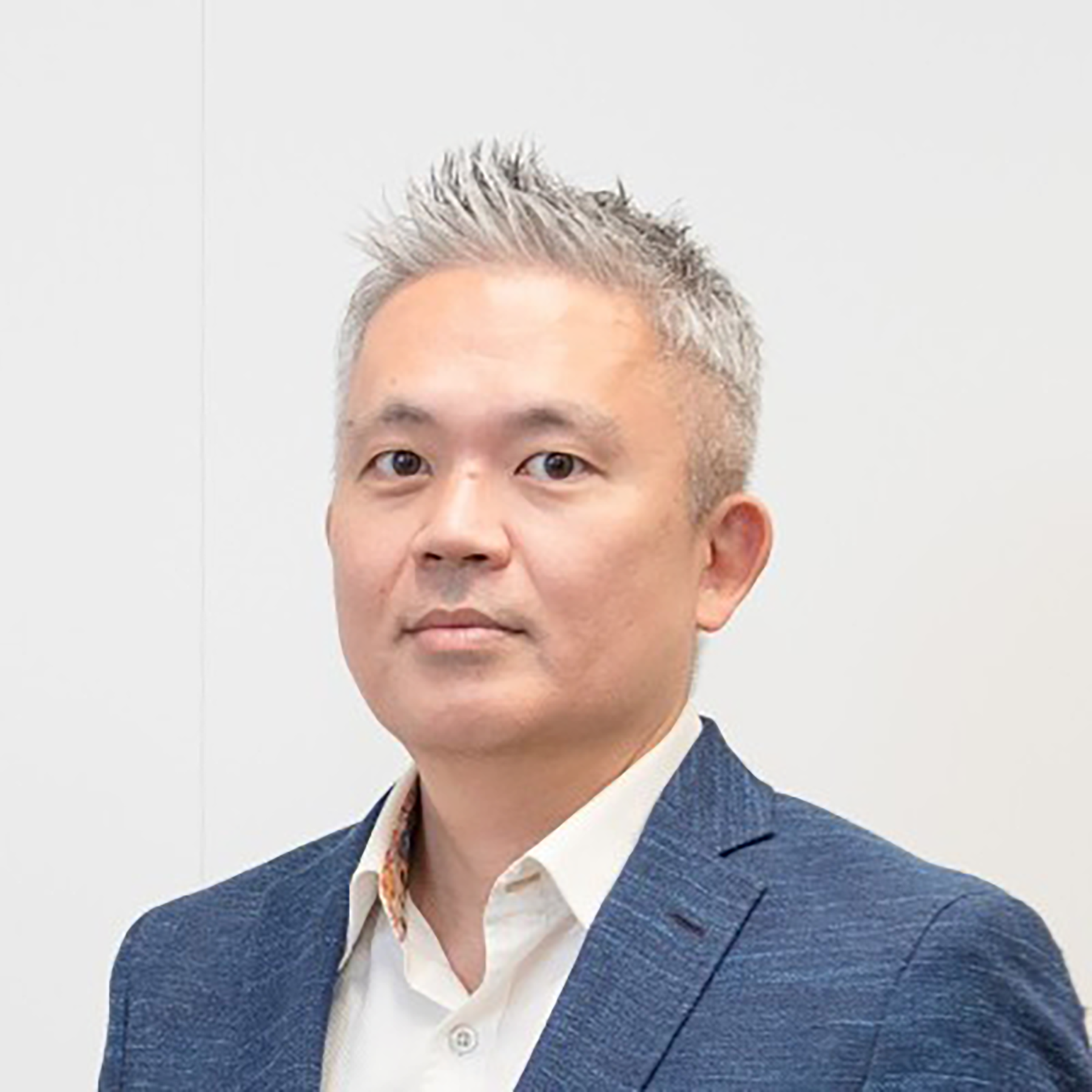
Neuroscientist and Experienced Chief Executive Officer with a demonstrated history of working in the Research industry. Skilled in Cognitive and Computational Neuroscience and Artificial Intelligence. PhD from Utrecht University, and trained at Caltech and UCL. Formerly Associate Professor (Reader) at the University of Sussex. Currently leading the JST CREST project on Artificial Consciousness (2015-present).
Ryota Kanai - ARAYA Inc.
Lightning Talk Speakers
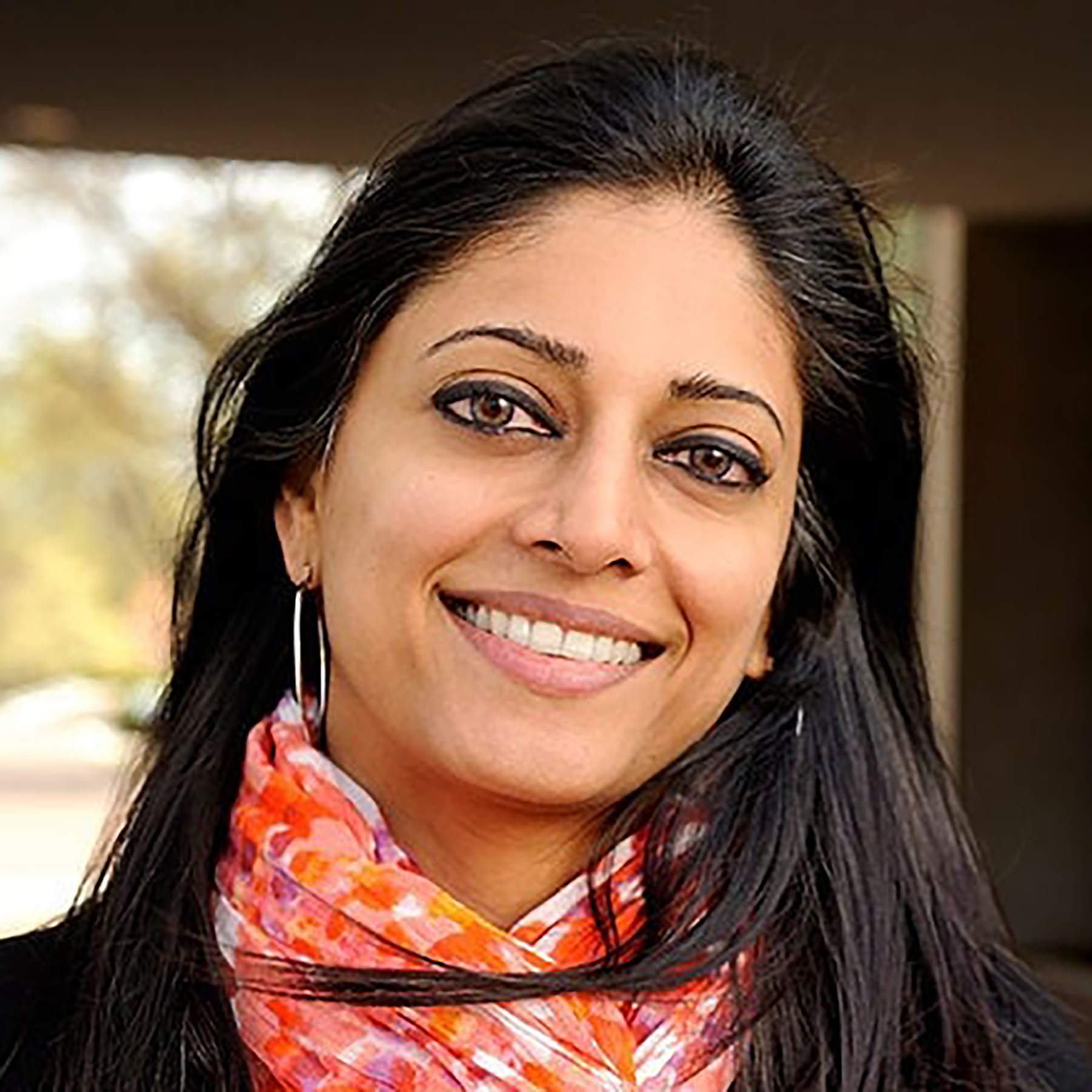
Sri Sarma - John Hopkins
University
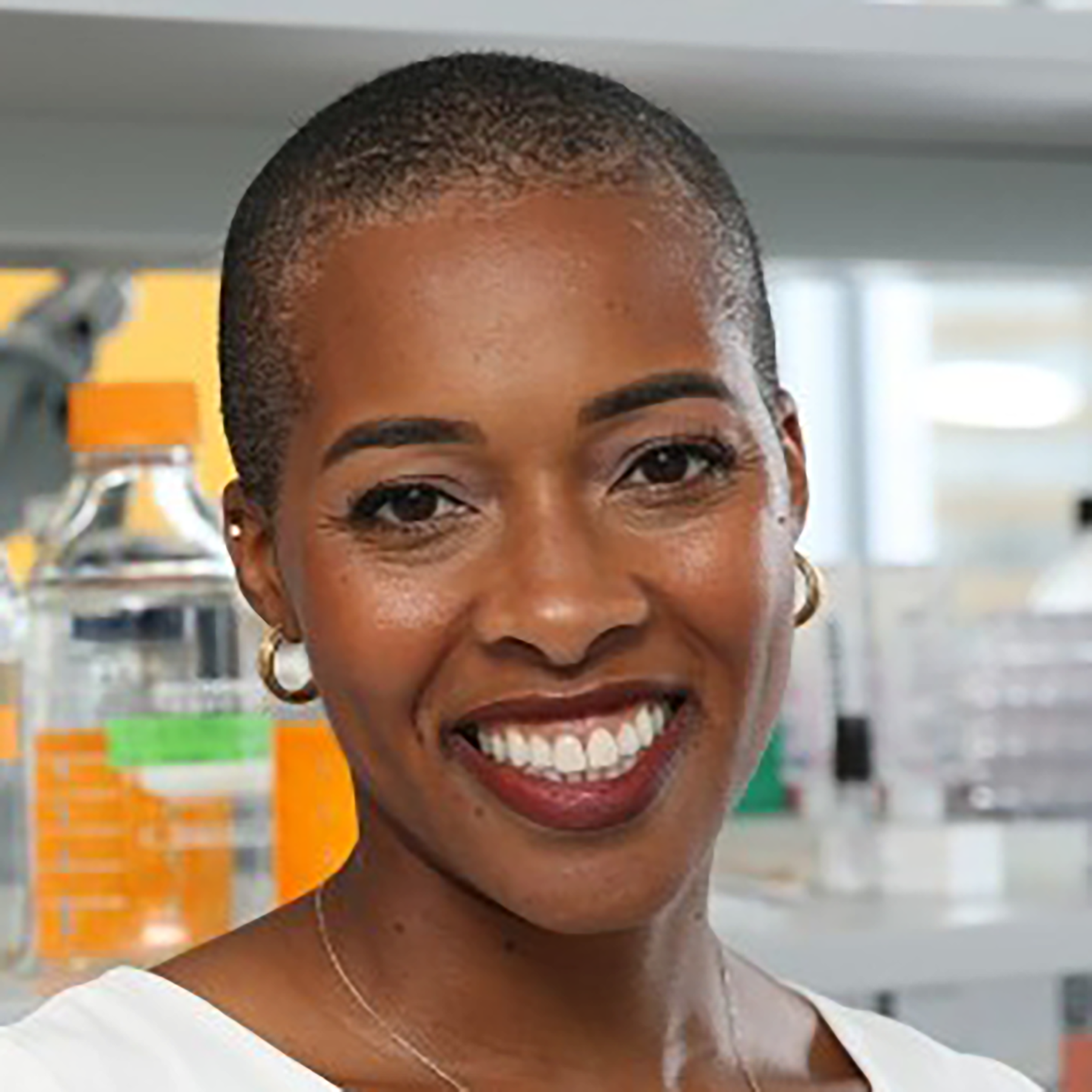
Bianca Jones Marlin - Columbia
University
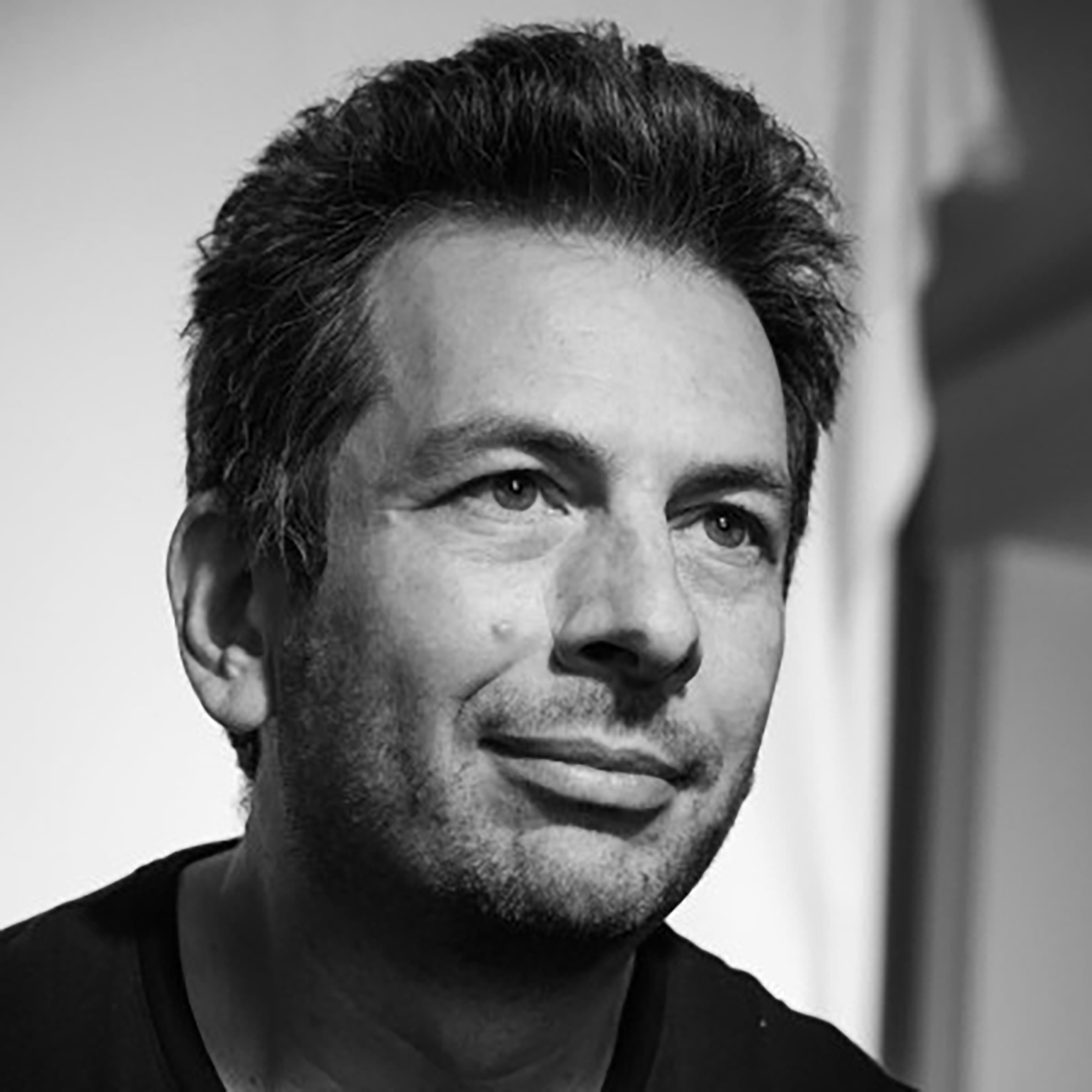
Blaise Agüera y Arcas - Google
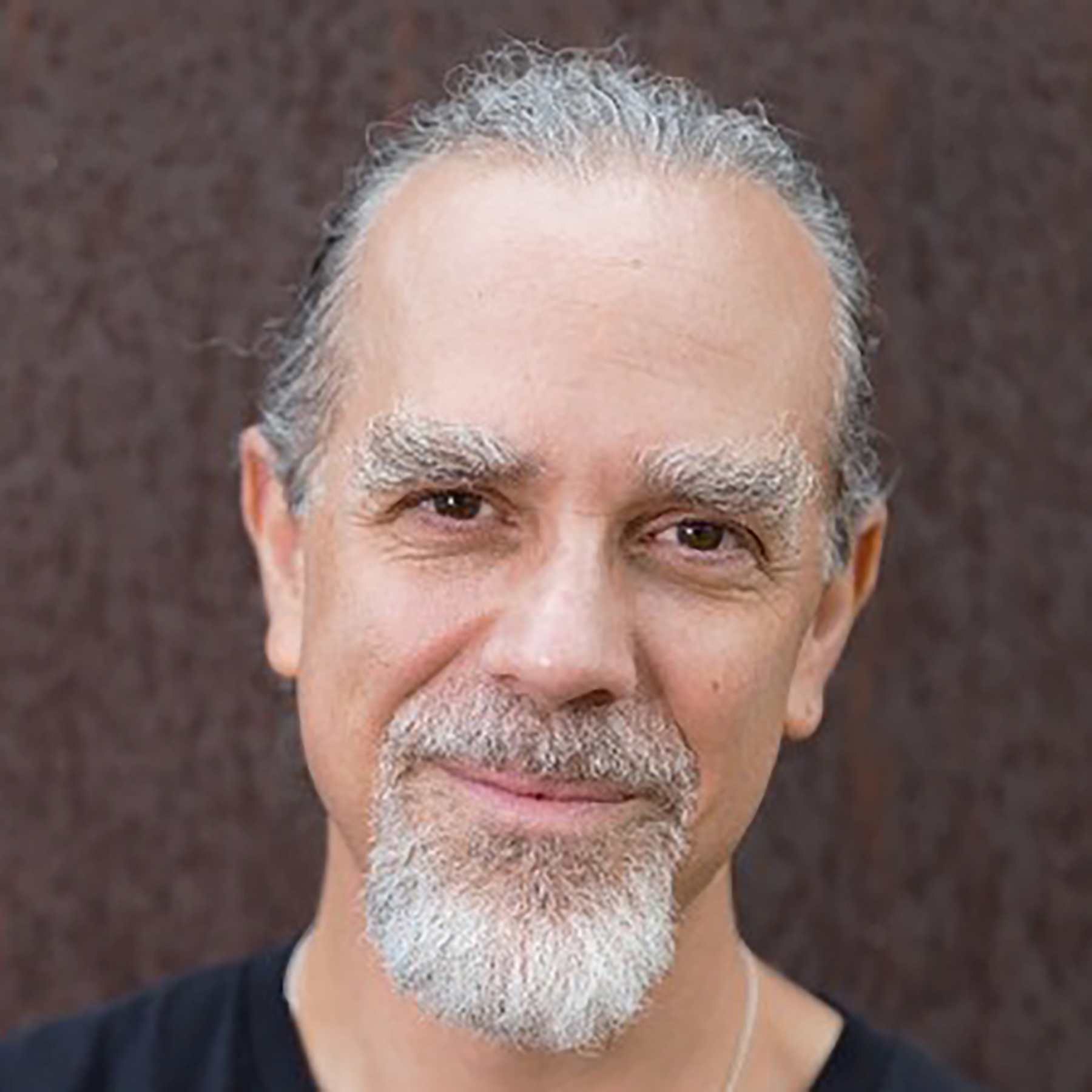
Astro Teller - X, the moonshot
factory
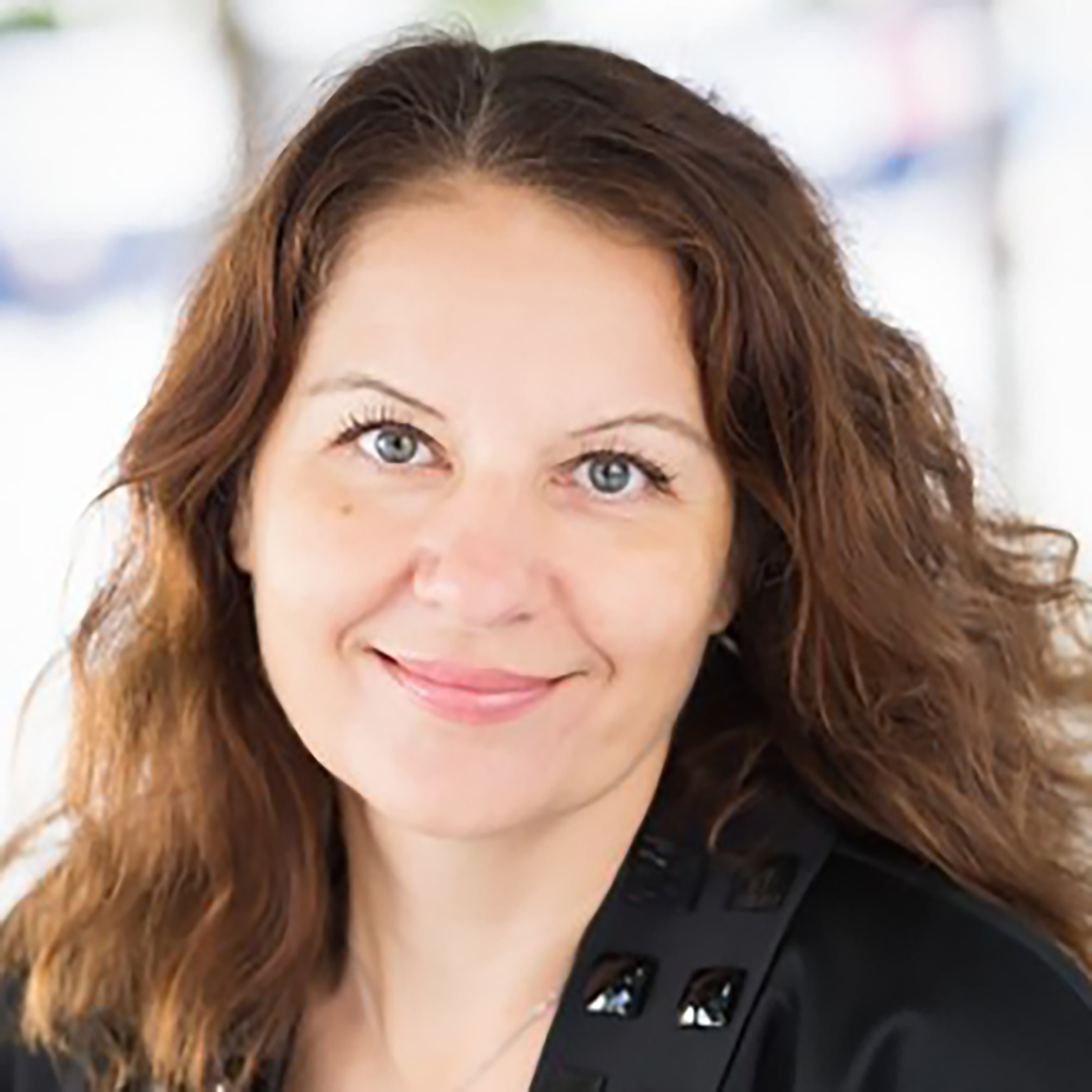
Yulia Kovas, TechnoTruth
Jay Sanguinetti - SanMai
Maryam Shanechi - University of
Southern California
UCLA Health
Dave Vago - Alethia Partners
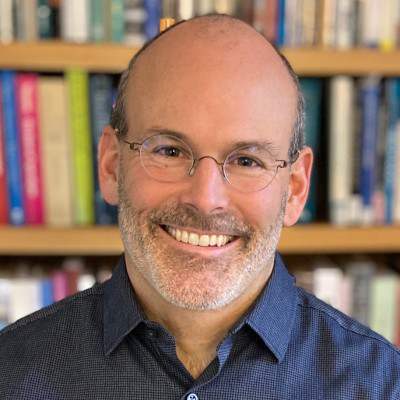
Jud Brewer, Mindshift Recovery
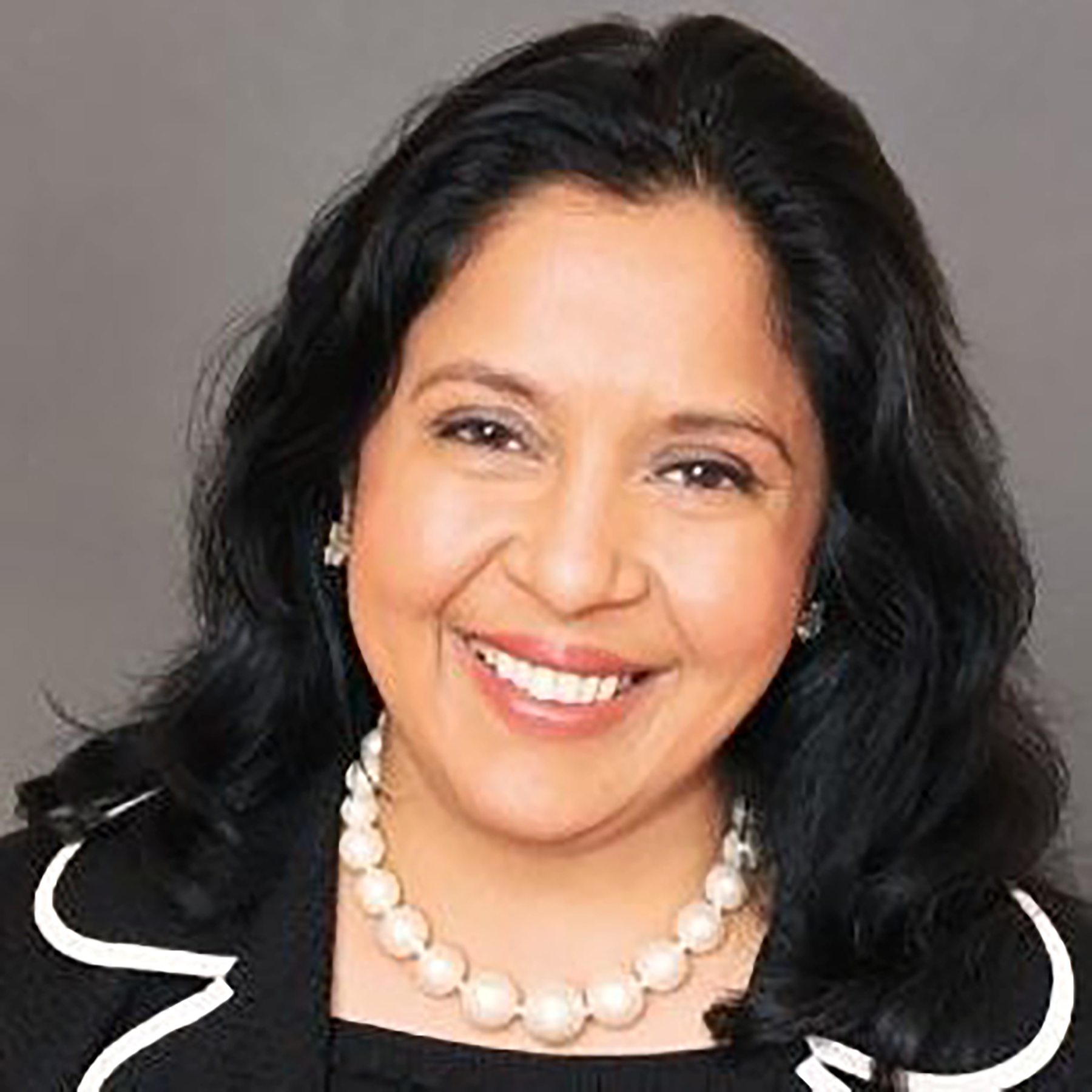
Uma Naidoo, Massachusetts
General Hospital
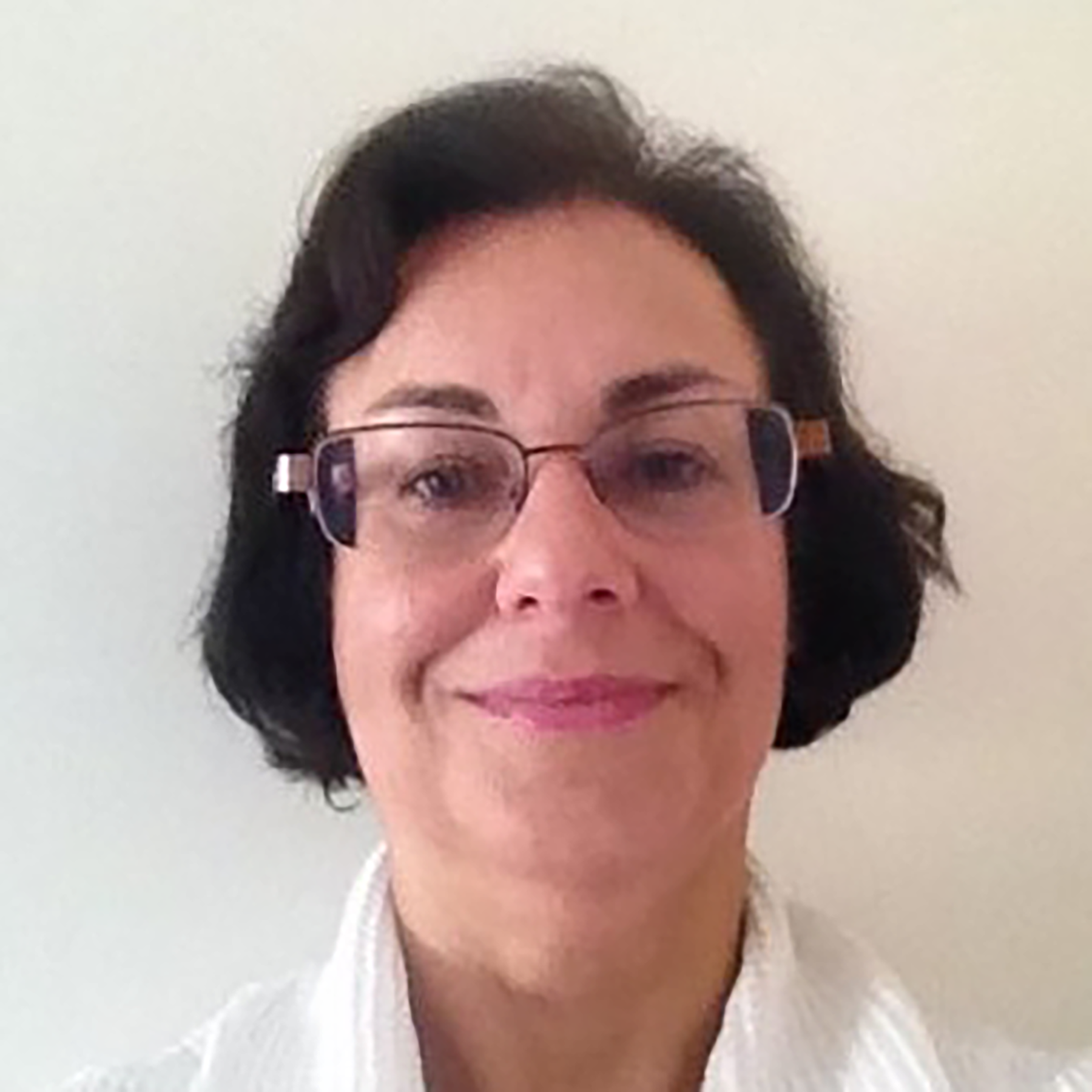
Helen Lavretsky - UCLA
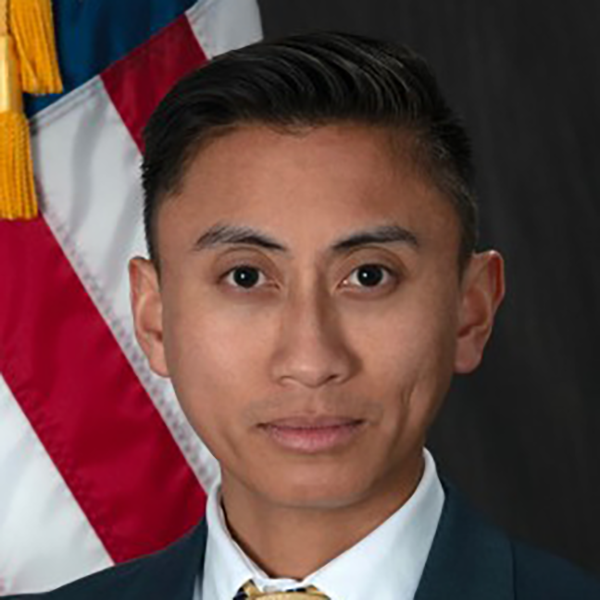
Sean Batir - Amazon Web
Services
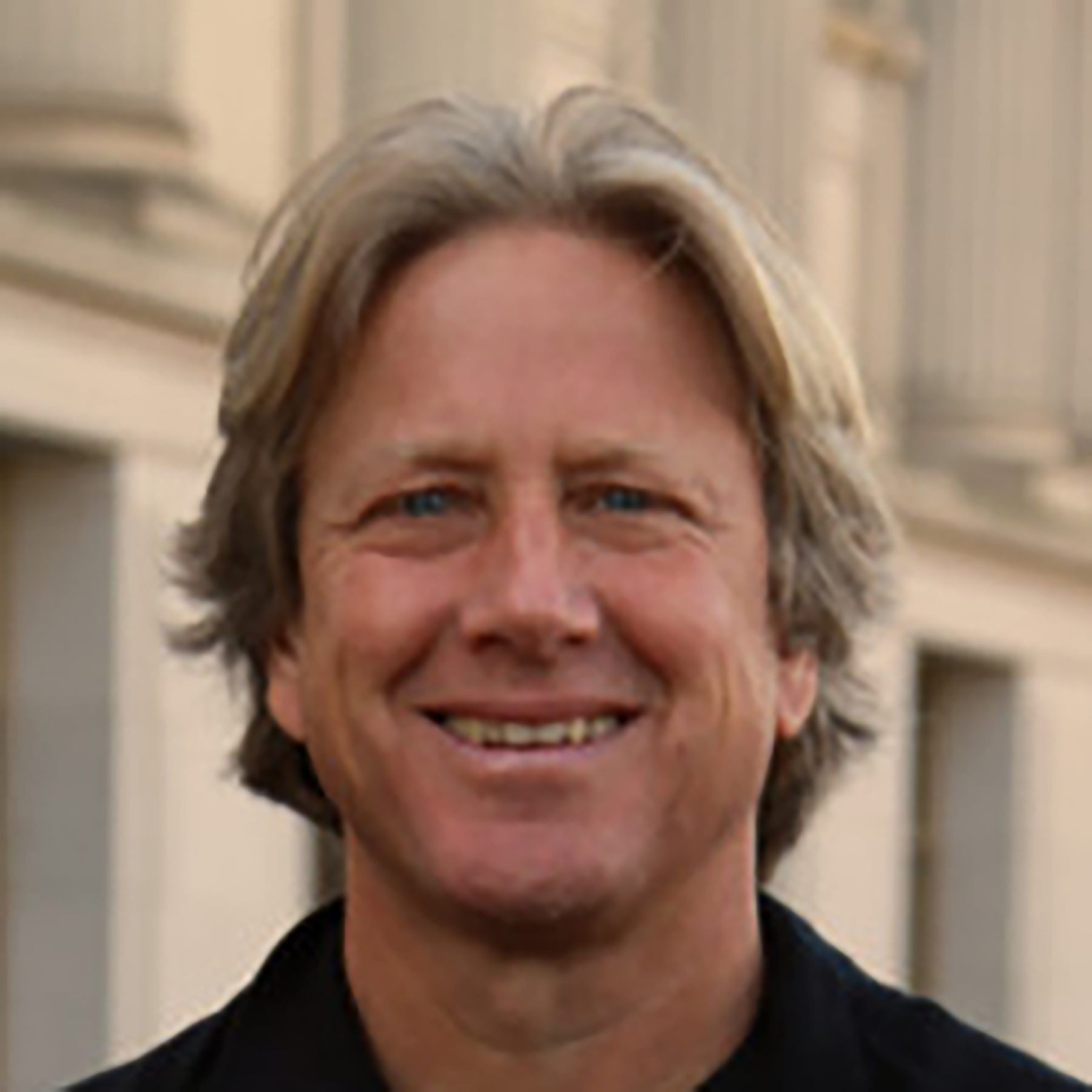
Dacher Keltner - University of
California, Berkley; Hume AI
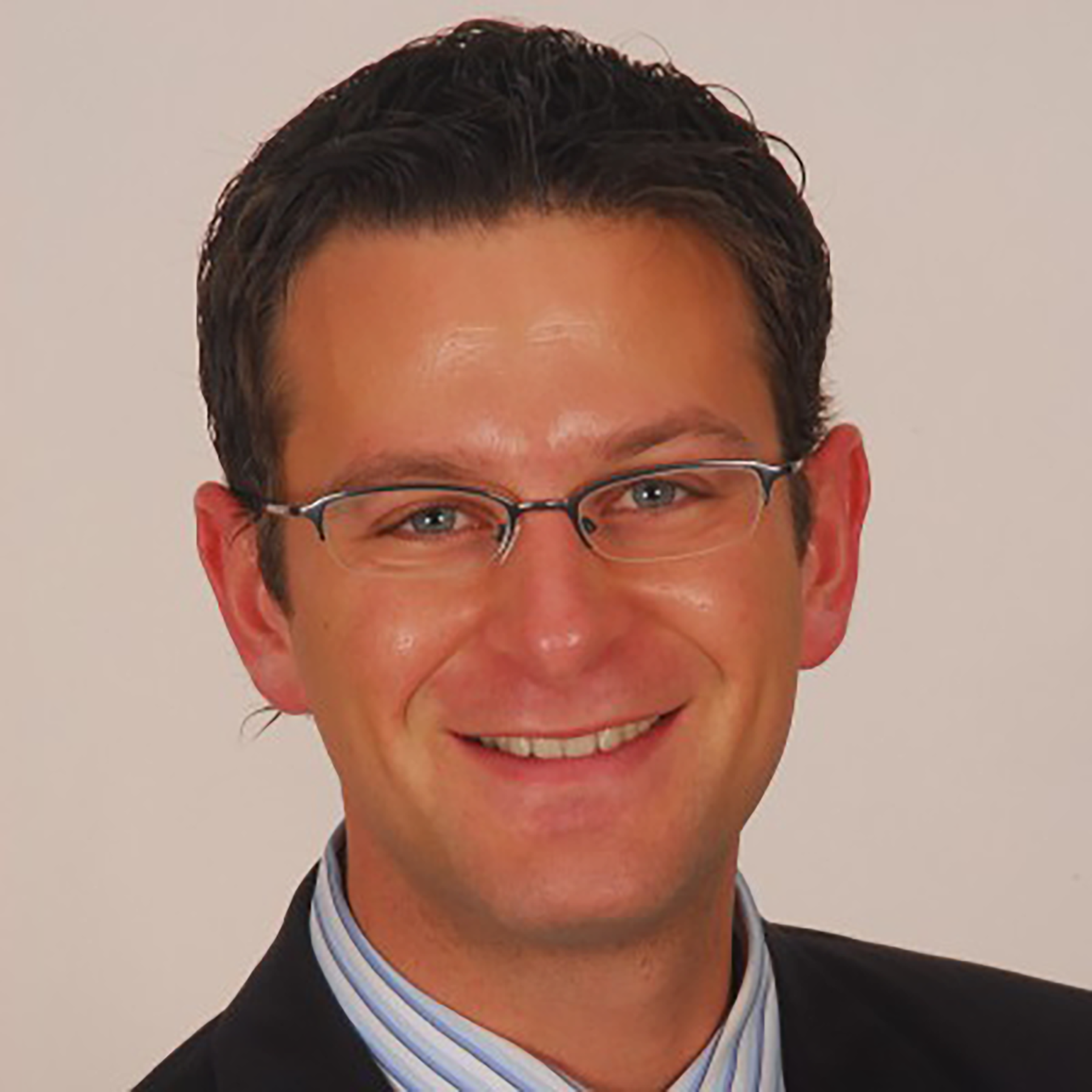
Richard Isaacson, The Institute
for Neurodegenerative Diseases
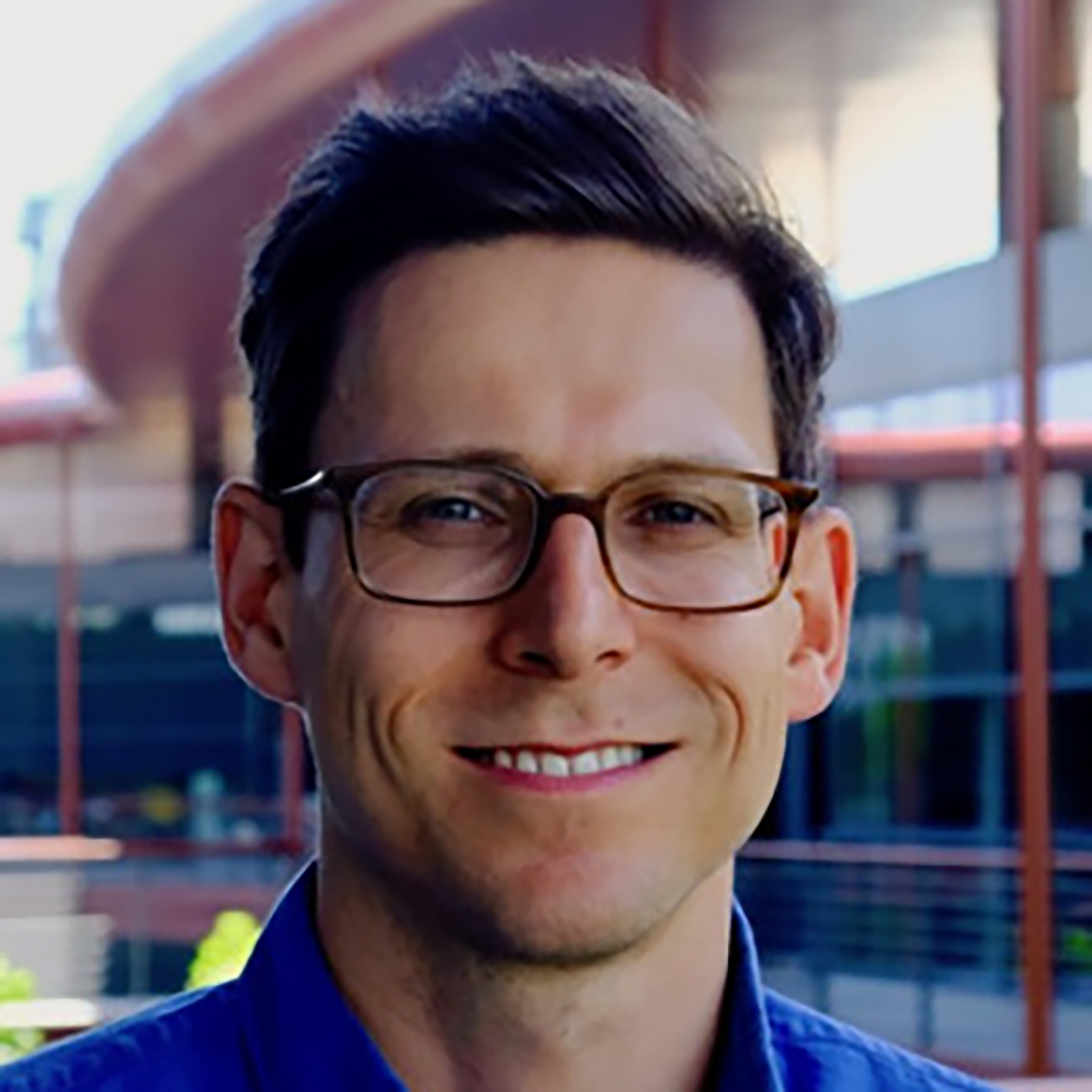
Sergey Stavisky, UC Davis
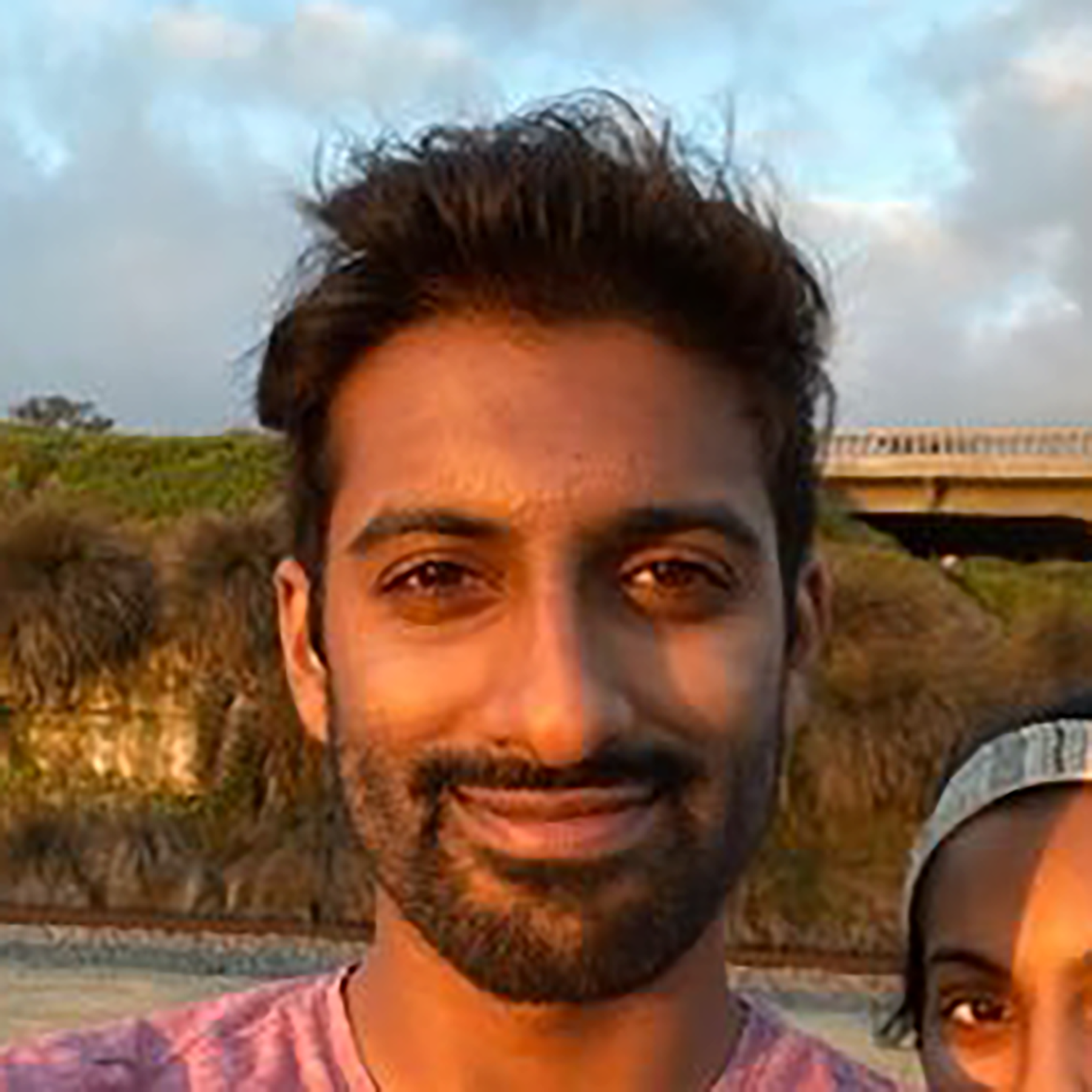
Samvit Ramadurgam, Union
Christof Koch - Allen Institute,
Tiny Blue Dot Foundation
Divya Chander - Lucidify
Ed Boyden - MIT
Fadel Zeidan, UC San Diego
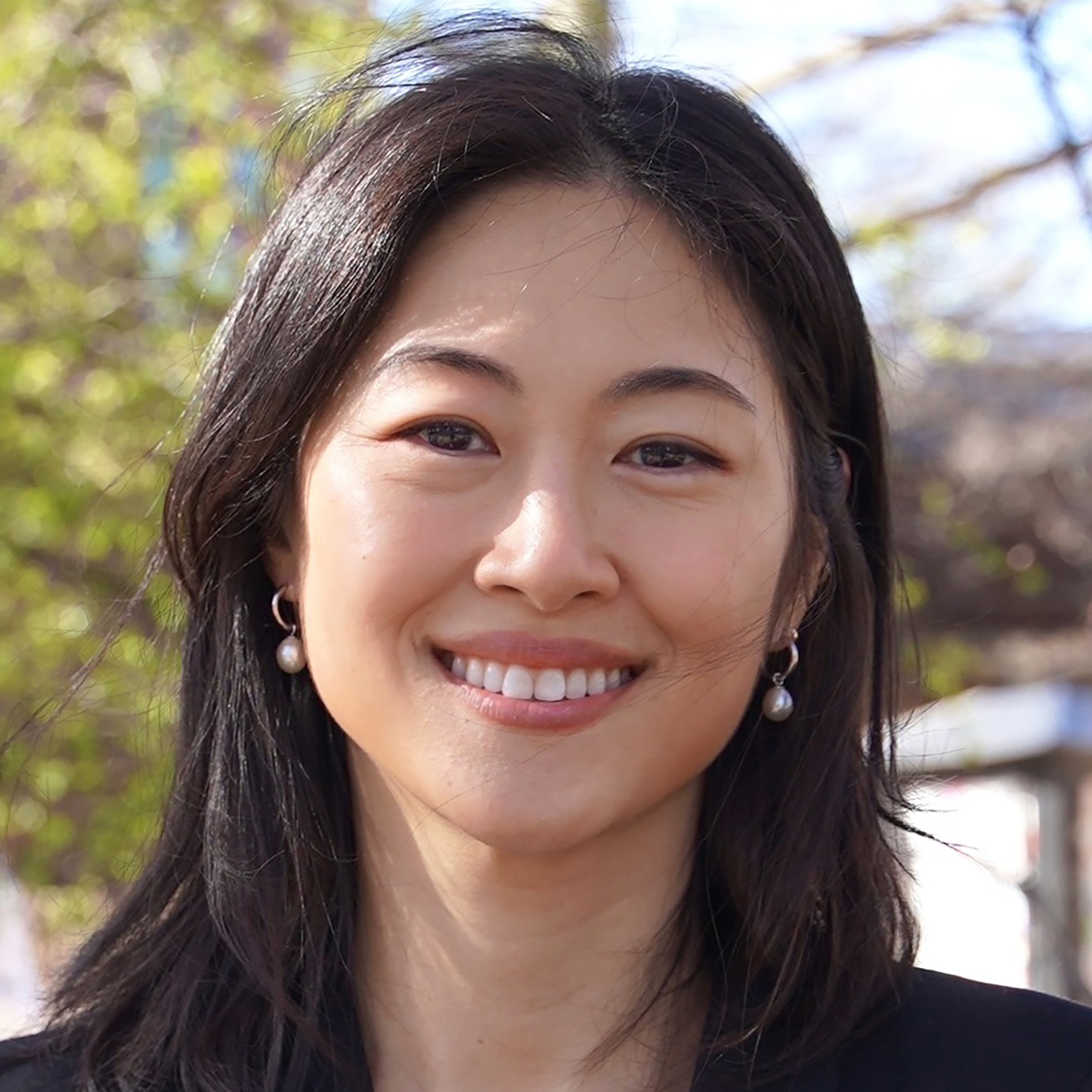
Yoona Kang, Rutgers