
BREAKOUT DISCUSSION MODULES
Special breakout discussions allow attendees to go deeper on specific topics. Roundtables with 8-12 participants convene around preselected BrainMind topics with brilliant subject matter experts who are leaders in their respective fields. The breakouts are designed to encourage conversation and collaboration with presenters and other great minds.
Breakout discussion topics this year’s forum include:




SUNDAY BREAKOUT LEADERS

John Ngai, PhD (NIH BRAIN Initiative)
The BRAIN Initiative: Laying the Foundation for Future Cures
Join a key discussion with John Ngai, Director of the US BRAIN Initiative, as he outlines the future of this transformative program. With foundational resources like brain atlases and disease models in motion, we are at a critical juncture in neuromodulation and BCI. Discover the potential of increased access to FDA-approved devices, AI advancements, and new biomarkers in revolutionizing neuropsychiatric therapeutics. The BrainMind ecosystem has a role to play in scaling these innovations—don’t miss this opportunity to shape the future of neuroscience.

Sridevi V. Sarma, PhD (Johns Hopkins University)
Novel Treatments for Epilepsy and Chronic Pain
NeuroTech Harbor (NTH) is an NIH-funded BluePrint Hub dedicated to supporting innovative devices and solutions for treating diseases of the central nervous system. In this talk, I will introduce NTH and its partner, the Center for Innovative NeuroTech Advancement (CINTA), highlighting our collaborative mission. I will showcase eleven projects currently supported by these hubs and outline our strategy to impact over 75 teams with more than $120 million in funding over the next five years.

Nina Vasan, PhD (Stanford)
LLMs for Mental Healthcare: Risks and Opportunities
Examining the impact of AI on mental health requires an understanding of the mixed effects of social media, which has both enhanced connectivity and contributed to risks like anxiety and depression. Collecting stories from users who have interacted with AI in therapeutic settings and daily life reveals the nuanced effects of these technologies on mental well-being. Understanding these personal experiences is essential for guiding the ethical development and implementation of AI technologies in mental health contexts.
Note: All Spotlight Entrepreneurs will also lead Breakout Discussion Tables on Sunday
Noninvasive Neurotech & The Future of Electric Medicine
Meredith Perry, Elemind
Augmenting Human Intelligence: Building a Better Bridge Between Humans and Machines
Alice Albrecht, PhD, re:collect
Noninvasive Deep Neuromodulation for Treatment
Jay Sanguinetti, PhD, Sanmai Technologies
The Next Evolution of Human Capability: Merging Humans and Robots
Connor Glass, MD, Phantom Neuro
A New Bridge to Transform Neuroelectronic Medicine
John Donoghue, PhD, Institute for NeuroElectronic Medicine
MONDAY BREAKOUT LEADERS
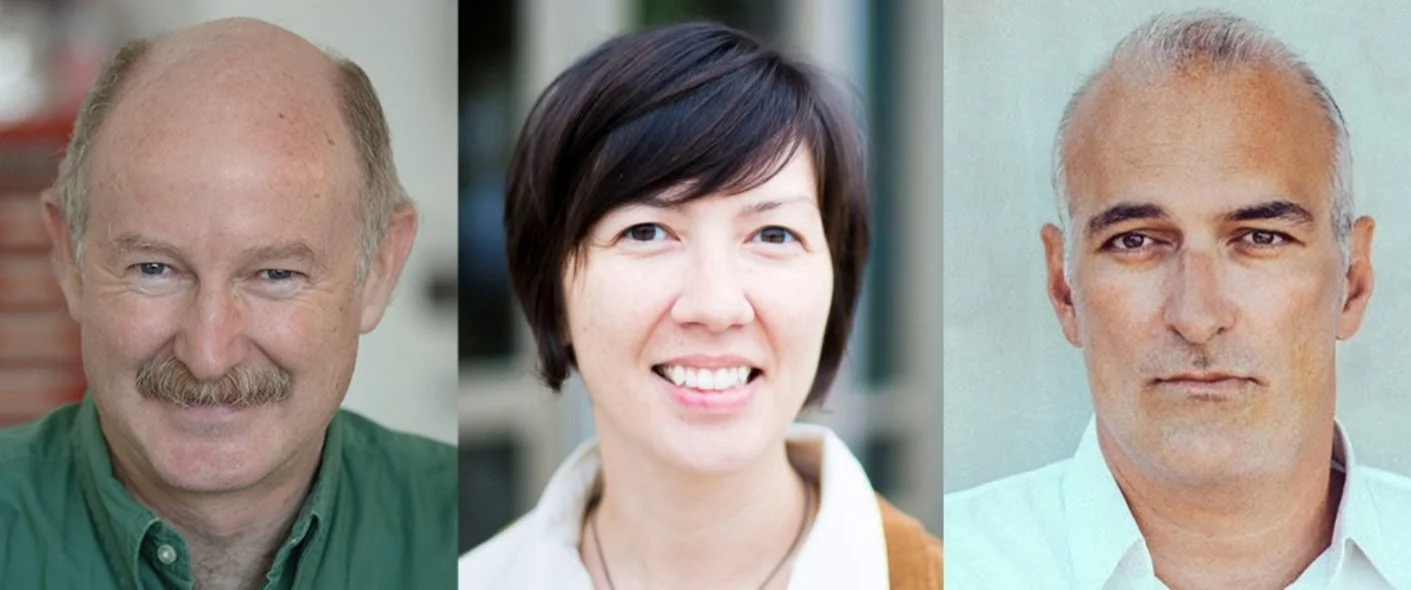
Rafael Yuste, MD, PhD (Columbia University, Neurorights Foundation); Karen Rommelfanger, PhD (Institute of Neuroethics Think and Do Tank, Ningen Neuroethics Co-Lab); Jamie Daves, MBA (Neurorights Foundation)
The First Brain Data Law Just Passed. What Do You Need to Know – and What’s Next?
It’s essential that leaders in neurotechnology – companies, investors, scientists, and more – know about, and shape, public policy and industry standards. Please join Dr. Rafael Yuste along with Jamie Daves for a behind-the-scenes briefing on the latest developments in US and global regulation and industry practice. This session covers the recent precedent-setting Colorado neurotech legislation, and highlights what’s coming next in the US and around the world. Dr. Karen Rommelfanger will moderate an interactive discussion on strategies all stakeholders can use to navigate the emerging regulatory and industry environments, advance innovation, and foster public trust. Participants will be encouraged to pose questions, share experiences, and engage in debate. This session is a critical opportunity for all stakeholders to learn more, and get involved in determining what comes next.
See the recording from this session here
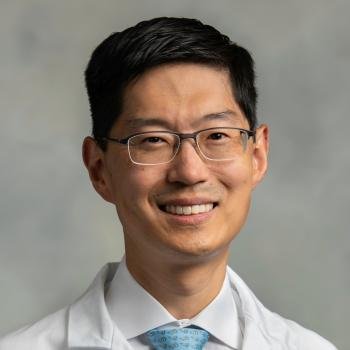
Michael Lim, MD (Stanford)
Immunotherapy in Neuro-Oncology
This breakout will explore the frontier of brain cancer treatment, where cutting-edge research meets clinical practice. Dr. Lim will discuss how recent innovations in immunotherapy are offering new hope, and transforming treatment approaches for brain tumors. This session will highlight the potential for these advancements to significantly improve patient outcomes and pave the way for future breakthroughs in medical care.

Blake Gurfein, PhD (Humanity Neurotech)
Non-invasive Neurotech for Brain Inflammation and Cancer
Several new neurotech modalities are showing promise for treating brain inflammation, stroke, and brain cancer. Dr. Gurfein will review scientific and commercial advances as they relate to groundbreaking new treatments in neurology, psychiatry, and oncology.

Andre Fenton, PhD (NYU)
EEG for Everyone
Neuroengineering often targets well-resourced communities, yet 1-2% of people globally suffer from epilepsy, regardless of race or socioeconomic status. Astonishingly, 80% of these individuals remain undiagnosed due to a lack of access to EEG technology and specialists in low-resource areas. By developing affordable 25-cent EEG electrodes with integrated amplifiers and utilizing cloud-based AI for interpretation, access to neurodiagnostics can be democratized. The barrier isn’t technological but commercial, requiring significant shifts in North American healthcare economics. This talk will explain how to achieve this and the challenges involved in realizing such a transformative project.
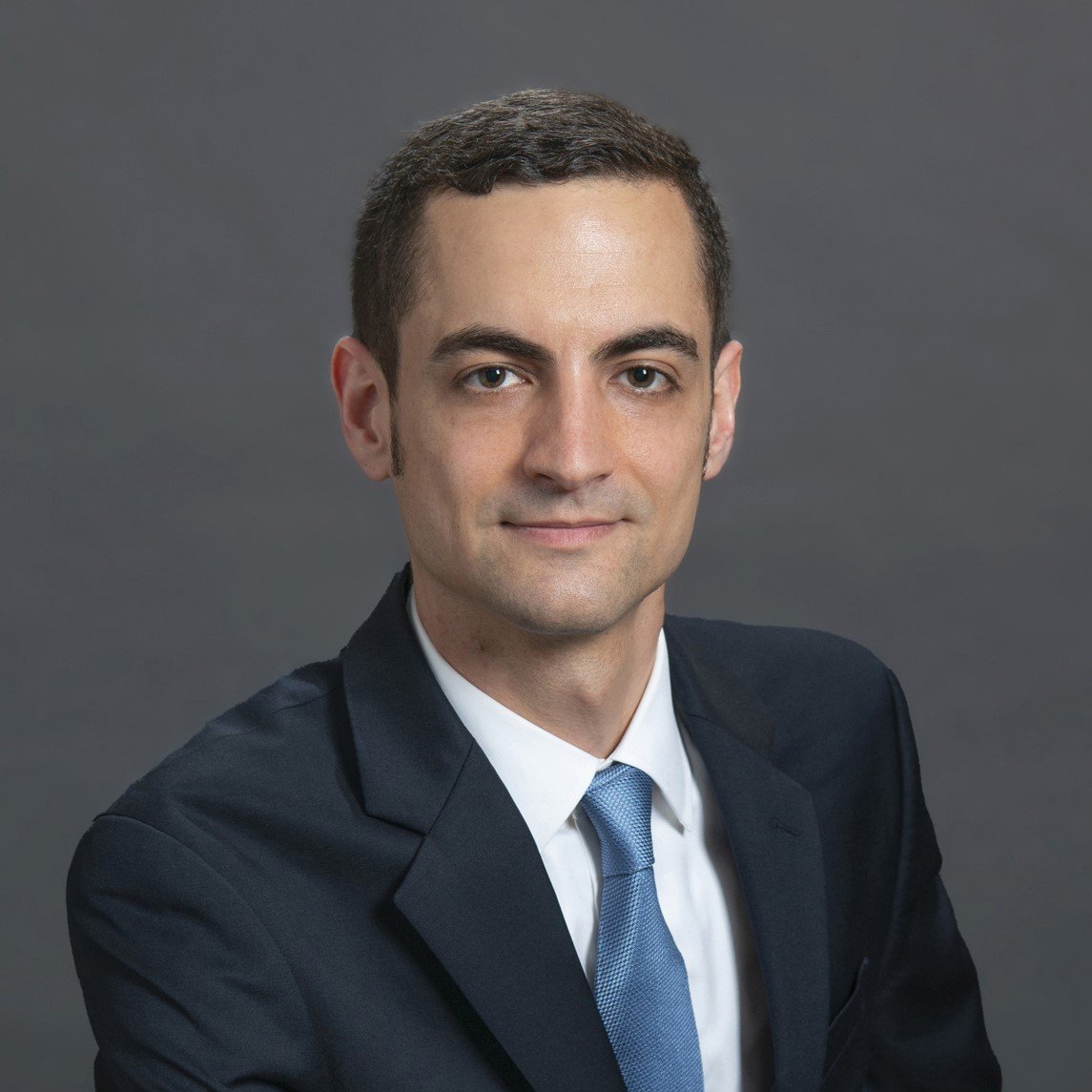
Matthew Sacchet, PhD (Harvard Medical School, MGH)
Beyond “Mindfulness” Toward a Science of Advanced Meditation
Mindfulness is increasingly recognized worldwide as a way to enhance health and wellbeing. This session will focus on advanced meditation, exploring its effects, development processes, and mastery. We'll discuss the latest research directions in advanced meditation and its potential to boost human potential in various clinical and non-clinical settings.

Haleh Fotowat, PhD (Wyss Institute)
Towards Engineering Intelligent Motile Organoids with a Nervous System
A great deal is known about biological neural networks in animal models, which have arrived at their current structure-function relationship through evolution by natural selection. Little is known about how neurons taken from such animal models will develop and function in novel embodiments. I will talk about our work on constructing a novel class of motile biological organoids that incorporate neuronal tissue. Results from this work will significantly improve our understanding of how to ‘wire up’ functional biological neural networks that can drive desired behaviors and potentially mediate learning by experience. In addition to applications in biological robotics, our work will inform future research on regenerative medicine by shedding light on how damaged neuronal pathways could be wired back to their intended targets